Which AAC block manufacturing equipment certifications are mandatory for export to EU and ASEAN markets?
CE Marking Is Mandatory — But ASEAN Has No Single “Mandatory” Certification
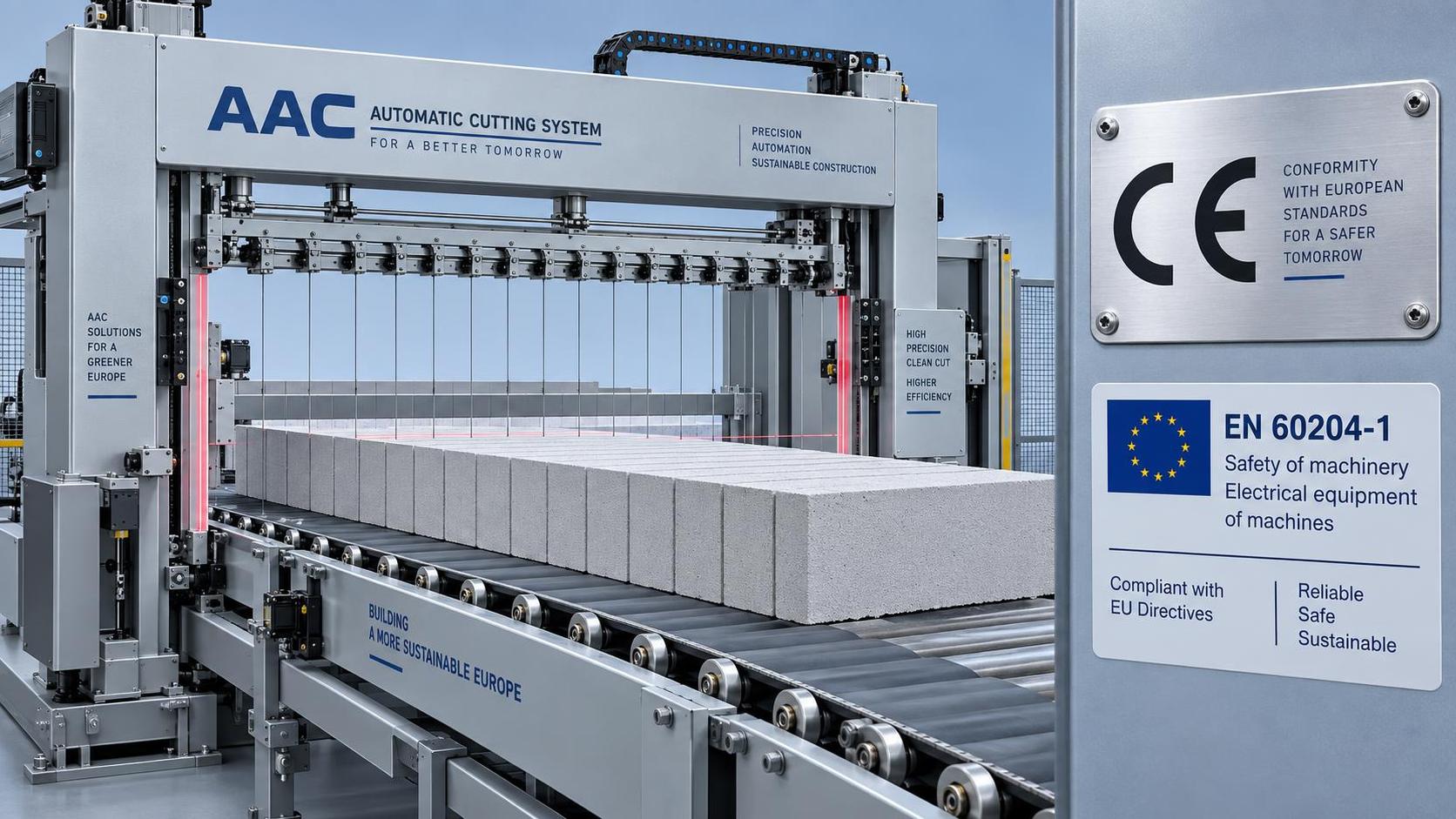
When exporting AAC block manufacturing equipment to the EU, CE marking is non-negotiable. It’s not optional, not provisional, and not a formality you can skip with a letter of assurance. If your aerated concrete block production line enters the EU market without valid CE conformity — backed by proper technical documentation, risk assessment, and involvement of a notified body where required — it will be blocked at customs or withdrawn post-import. That’s the hard line.
For ASEAN, the situation is fundamentally different: there is no unified, mandatory certification system equivalent to CE. ASEAN operates under the ASEAN Mutual Recognition Arrangement (MRA) for Machinery, but this is a framework — not a binding requirement. Individual member states (Thailand, Vietnam, Indonesia, Malaysia, Philippines, etc.) retain full authority over import approvals. What’s accepted in Thailand may be rejected in Vietnam without explanation. And none require a single “ASEAN certification” stamp.
What CE Marking Actually Requires for AAC Equipment
CE marking applies because AAC block manufacturing equipment falls under multiple EU directives — primarily the Machinery Directive (2006/42/EC), and often also the EMC Directive (2014/30/EU) and Low Voltage Directive (2014/35/EU). The key point many exporters miss: CE is not a product certificate issued by a third party. It’s a manufacturer’s legal declaration — but one that carries strict obligations.
To issue that declaration credibly, you must:
- Perform a full risk assessment covering mechanical hazards (moving parts, pinch points), electrical safety, noise, vibration, and control system reliability;
- Design and build according to harmonized European standards — especially EN ISO 12100 (risk assessment), EN 60204-1 (electrical equipment), and EN 13857 (safety distances);
- Maintain a complete Technical File — including drawings, calculations, test reports, user manuals in local language(s), and declarations of conformity;
- Involve a Notified Body if your equipment includes high-risk functions (e.g., automated PLC-controlled batching with pressure vessels, robotic stacking systems, or integrated kiln drying with combustion). Standalone block cutters or mixers may not require third-party involvement — but the final decision rests on the risk analysis, not product category alone.
This means “CE certified” is misleading terminology. You don’t get “certified.” You self-declare conformity — but only after fulfilling all technical and documentary requirements. A reputable manufacturer doesn’t treat CE as a sticker to apply — it builds compliance into design, testing, and documentation from day one.
ASEAN: Country-by-Country Reality, Not Regional Uniformity
Unlike the EU, ASEAN has no central certification authority. The ASEAN MRA aims to reduce duplication — but it hasn’t eliminated national requirements. In practice, importers face distinct pathways:
The common thread? CE marking significantly eases ASEAN entry — but does not replace national procedures. A CE-marked AAC production line still needs local-language documentation, appointed local representatives (where required), and alignment with each country’s import classification. Assuming “CE = ASEAN ready” is the most frequent cause of shipment delays.
Where ISO 9001 Fits — And Where It Doesn’t
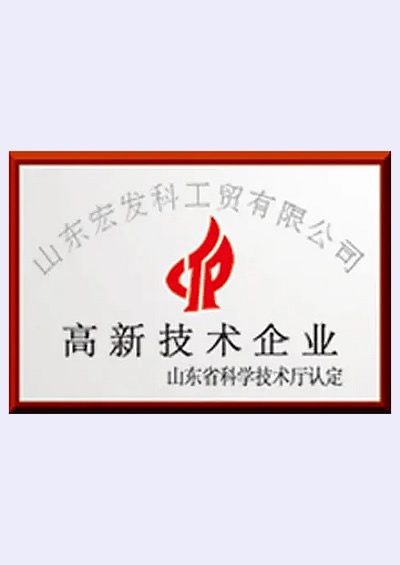
ISO 9001 is valuable — but it’s not a regulatory certification. It demonstrates consistent internal processes for quality management, not product safety or performance compliance. Many AAC equipment exporters hold ISO 9001 (as Shandong Hongfa does), and it helps build buyer confidence. However:
- ISO 9001 does not substitute for CE marking in the EU;
- It does not fulfill CR Mark or TISI requirements in ASEAN;
- Its value lies in traceability, documented design review, and production consistency — all of which directly support CE Technical File preparation and national audit readiness.
In other words: ISO 9001 is infrastructure. CE and national approvals are the gates. You need both — but they serve different purposes.
Practical Next Steps for Exporters
If you’re preparing an AAC block manufacturing line for export, start here — not with paperwork, but with architecture:
- Map your equipment’s functional modules: Identify which subsystems fall under Machinery Directive scope (e.g., conveyor drives, hydraulic cutters, PLC-controlled dosing units) versus ancillary components (steel frames, silos without moving parts).
- Review harmonized standards early: Don’t wait until final assembly. EN 60204-1 (electrical panels), EN ISO 13857 (safe distances), and EN 1037 (guarding against unexpected start-up) must inform layout and component selection.
- Prepare documentation in parallel: User manuals, maintenance instructions, and EC Declarations of Conformity should be drafted alongside engineering — not translated last minute. ASEAN countries routinely reject documents with missing safety warnings or incomplete hazard analysis summaries.
- Engage local partners before shipment: In Vietnam or Indonesia, appointing a registered importer or conformity assessment agent early avoids 3–6 week holdups at port. Their input on labeling, voltage labeling, and language formatting prevents rework.
Manufacturers like Shandong Hongfa integrate these steps across their aerated concrete block production lines — not as compliance overhead, but as part of engineering discipline. With 46 national patents and a dedicated Building Materials Equipment Research Institute, their approach treats certification not as a finish-line hurdle, but as a built-in validation layer: every PLC logic sequence reviewed for safety interlocks, every guard design verified against EN 13857, every manual cross-checked for multilingual clarity before first commissioning.
That’s how equipment moves smoothly — not because it carries more stamps, but because its design respects the logic behind each requirement.
Previous:Honors and Qualifications
Next:No more content
Recommend
 Sep 16, 2026
Which AAC block manufacturing equipment certifications are mandatory for export to EU and ASEAN markets?
AAC block manufacturing equipment certification standards vary by region: CE marking is mandatory for EU export, while ASEAN requires country-specific approvals — learn how to comply efficiently.
 May 07, 2026
Honors and Qualifications
- May 07, 2026
Honors and Qualifications