How Can Buyers Assess Hongfa's Block Machine Export Experience?
A buyer assessing Hongfa’s block machine export experience needs evidence that connects the proposed equipment to a delivered and supported overseas project. A company profile can establish a manufacturing background, but the stronger test is whether Hongfa can provide a relevant installation reference, explain how the machine was shipped and commissioned, and define who will support it after delivery.
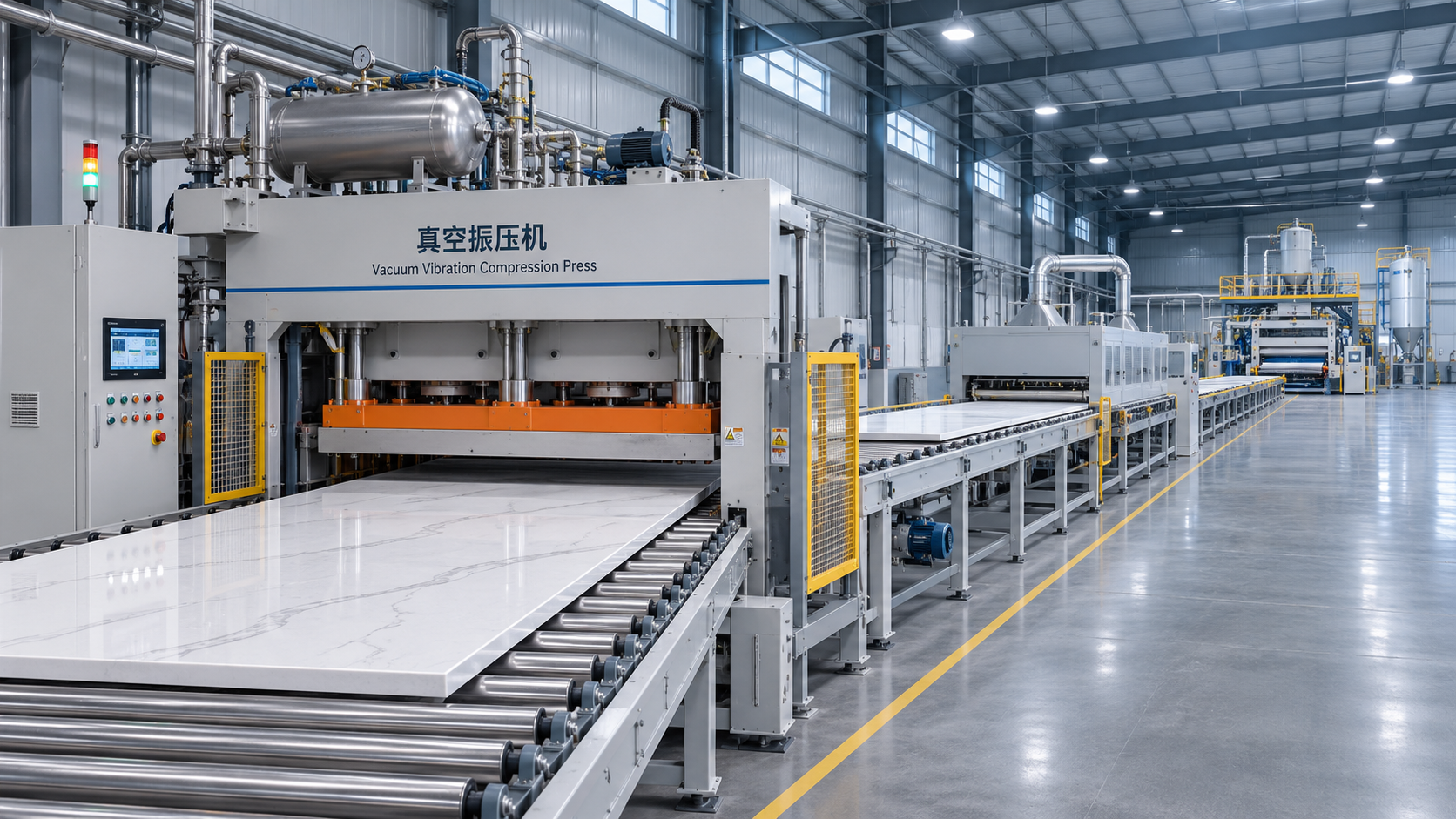
Searches for Shandong Hongfa Scientific Industrial & Trading Co., Ltd. quartz line reviews may reveal useful feedback about communication or project management. Quartz production equipment, however, is a different purchase from a concrete block machine. Treat those reviews as a starting point, then look for block machine references with a comparable production process, level of automation, and service requirement.
Start with export references that resemble your project
An overseas customer list is useful only if it helps you understand what was supplied. Ask Hongfa for block machine projects that are close to your intended application, and request enough detail to distinguish a complete operating line from an equipment shipment. A reference involving a similar machine configuration and production environment will usually tell you more than a longer list of unrelated destinations.
For each relevant project, ask what products the line was designed to make, which equipment was included, when it was delivered, and whether Hongfa’s personnel assisted with installation or commissioning. A buyer planning a line for concrete paving blocks, for example, should pay attention to the moulds, handling equipment, and production layout included in the reference. A project producing a different block format may still be informative, but it will not answer every question about the proposed configuration.
Geography matters when it affects logistics or support. A reference in the same country can help establish familiarity with local delivery conditions, but a project in a different market may be more useful if its equipment and operating requirements are closer to yours. Where access is possible, ask to speak directly with an equipment owner or operator about installation, parts availability, and how service requests were handled.
Keep the questions specific. “Was the supplier reliable?” invites a broad impression. Asking how a missing component, commissioning issue, or replacement-part request was resolved produces a more useful account of the supplier’s response. The absence of a problem in one project does not guarantee that another will run without interruption, but the way problems were handled can reveal how support works in practice.
Connect the quoted line to a working production process
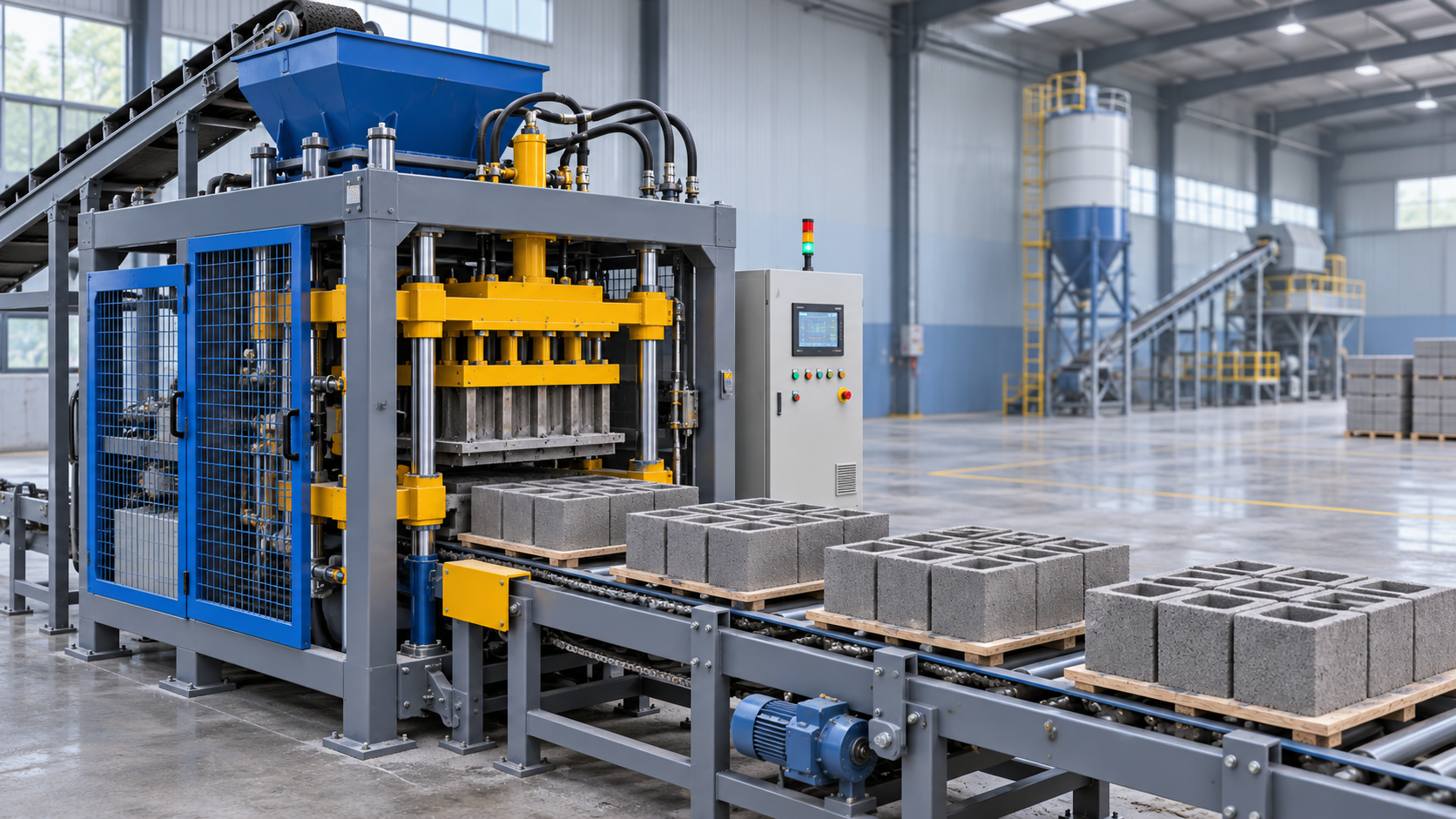
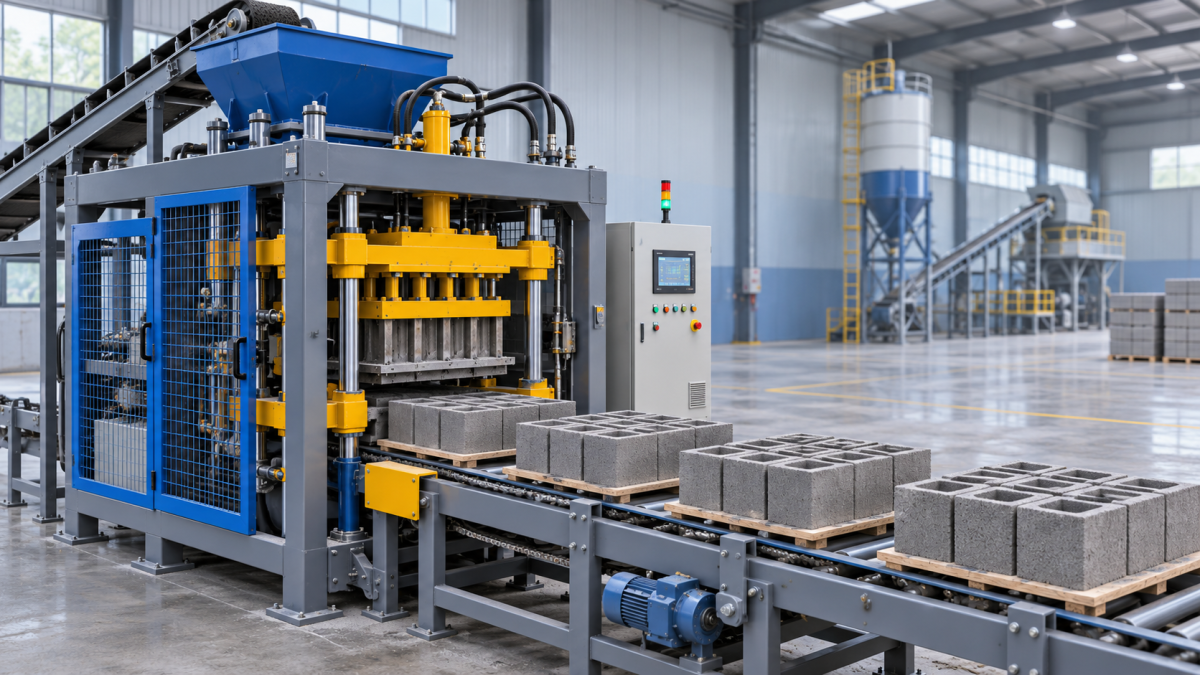
Export experience is most relevant when the supplier understands the full scope of what must arrive and work together. A block machine quotation should make clear whether it covers the forming machine alone or a wider line that may include mixing, material transfer, moulds, handling equipment, and controls. The required scope depends on what the buyer already owns and how the plant will operate.
Compare the proposed equipment list with the reference project rather than assuming that two machines with similar names are equivalent. A reference for a machine supplied without upstream or downstream equipment may demonstrate that Hongfa delivered that machine successfully; it does not, by itself, establish responsibility for integrating an entire production line.
Ask for a layout showing the proposed equipment and the interfaces between supplied and existing machinery. Identify where materials enter, how formed blocks move through the plant, and what space is needed for operation and maintenance. If curing, material storage, pallets, or internal transport are outside the quotation, their effect on the plant layout still needs to be addressed. A machine can be properly specified on its own while the overall project remains incomplete.
The production plan should also reflect available raw materials, target block dimensions, mould requirements, and the buyer’s staffing arrangements. If those inputs are still undecided, a reference line can help frame the discussion, but it is a weak basis for accepting a final configuration. Ask Hongfa to state the assumptions behind its proposal so that changes to the product mix or plant setup can be discussed before the order is placed.
Examine shipping documents alongside the equipment list
Shipping records can show that machinery was dispatched to an overseas destination, but they should be read in context. An invoice or packing list may identify the supplier, consignee, goods, and shipment; a transport document can help connect those goods to a delivery. Together with a project reference, they provide a more useful picture than a photograph of packed equipment alone.
Ask to review suitably redacted examples relevant to block machinery, respecting the original customer’s confidentiality. Look for a clear description of the equipment and its main components, rather than relying solely on a general phrase such as “machinery.” Documents from one shipment do not prove that every part of a line was installed or accepted, so use commissioning or customer reference evidence to assess what happened after arrival.
For your own order, the contract should define the delivery point, the agreed trade term, packing responsibilities, and the documents the seller will provide. It should also identify who arranges freight, insurance where applicable, customs clearance, unloading, and movement to the installation site. These responsibilities vary with the agreed terms; they should not be inferred from a supplier’s previous exports.
Large or multi-part lines deserve particular attention. Ask how components will be identified across packages and how the packing list will relate to the equipment schedule. This makes it easier to check the delivery on arrival and to identify a missing or damaged item before installation is delayed. Clarify the procedure and notification period for reporting such issues in the purchase documents.
Test the commissioning and training plan
A supplier may have export sales experience without offering the same level of field support for every destination or contract. Ask what commissioning includes for your proposed line: supervision, mechanical assembly, electrical connections, initial adjustments, production trials, operator training, and handover may be divided between the seller, buyer, and local contractors.
The distinction matters most when a buyer has limited in-house maintenance capability or is combining a new machine with existing equipment. Remote guidance may be sufficient for some tasks, while other work may require personnel on site. The practical choice depends on the line’s complexity, local skills, travel arrangements, and the support that can be contracted.
Request a written list of buyer preparations before the supplier’s team arrives or remote commissioning begins. This may include foundations, access for unloading, utilities, lifting equipment, materials for trials, and qualified local personnel. Assign responsibility for each item. An installation schedule is less useful if it assumes that site work or connections will be ready without saying who must complete them.
Training should cover routine operation and the maintenance tasks the buyer’s team is expected to perform. Ask what language the manuals and training will use, which roles should attend, and what documents will be provided at handover. If an interpreter or local technician is needed, include that arrangement in the project plan.
Define acceptance before the machine ships
A successful delivery is not the same as an accepted production line. Agree in writing on what will be checked, where the checks will take place, and what each party must provide. Depending on the purchase, this may include an inspection before shipment, checks after installation, and a production trial using agreed materials and moulds.
Acceptance criteria should match the actual scope. If Hongfa supplies only the block machine and the buyer supplies the mixer and handling system, the contract should distinguish the machine’s checks from issues arising at interfaces outside the supplier’s control. If a complete line is supplied, the parties can define how the line will be assessed as an integrated system.
Make sure the trial conditions are practical. The availability and consistency of raw materials, trained operators, utilities, and curing arrangements can affect what a production trial demonstrates. State who supplies these inputs and what happens if the site is not ready or a condition differs from the agreed plan. Record any unresolved items and the process for closing them before final handover.
Assess spare parts and service as part of export capability
After-sales support begins with knowing which parts the buyer may need and how to identify them. Request a parts list for the quoted configuration, including mould-related items, wear components, and electrical or control components where applicable. Ask which items are recommended for initial stock and why; the answer should reflect operating conditions and the buyer’s ability to source or repair parts locally.
Then establish how a future order would work. Find out what information the buyer must provide to identify a component, how quotations are requested, and which delivery options are available to the destination. A parts list is most useful when it is linked to drawings or identifiers that maintenance staff can use without guessing.
The service agreement should also explain contact channels, working arrangements, warranty coverage, exclusions, and the procedure for diagnosing a fault. Clarify whether travel, labour, replacement parts, and freight are included or charged separately under different circumstances. A warranty can define a remedy for covered defects, but it does not replace a practical plan for keeping commonly needed parts and maintenance skills available.
Use quartz line reviews and company credentials in context
Hongfa’s stated product range includes quartz stone machinery production lines, block machines, aerated concrete block production lines, and concrete batching plants. Its company profile also describes manufacturing bases, engineering staff, quality management certification, and patent applications. These details can help a buyer understand the breadth of the business, but they do not establish the suitability of a particular block machine or the support included in a particular export contract.
Reviews of a quartz line may be relevant to shared business practices such as quotation clarity, shipment coordination, or responsiveness. Give them less weight when judging block-specific matters such as mould selection, block handling, commissioning, or access to replacement parts. A detailed block machine reference remains more directly applicable, even if there are fewer such reviews available.
When comparing Hongfa with another supplier, use the same evidence standard for both: a relevant project reference, a clearly defined equipment scope, delivery responsibilities, an acceptance plan, and workable service arrangements. The strongest export track record is the one that can be connected to the machine configuration and support your project actually requires.
Recommend
 Nov 26, 2026
How Much Does a Quartz Stone Production Line Cost?
Explore Ltd. overseas installation considerations and the key factors affecting quartz stone production line costs. Compare budgets and plan with confidence.
- Nov 26, 2026
How Can Buyers Assess Hongfa's Block Machine Export Experience?
Ltd. quartz line reviews offer a starting point. Learn how to assess Hongfa’s block machine exports through project references, delivery records, and service plans.
- Nov 25, 2026
How Can Buyers Verify Reviews of Hongfa Quartz Lines?
Compare Ltd. AAC plant price and learn how to verify Hongfa quartz line reviews, customer references, performance claims and after-sales support before investing.