How to Verify Hongfa's Block Machine Export Experience
A supplier’s export experience is most useful when it matches the machine, destination and support requirements of your project. To assess Hongfa’s block machine export experience, connect three pieces of evidence: a relevant shipment, an identifiable operating project and a clear account of who provided installation and after-sales support.
Searches such as “Ltd. quartz line reviews” may surface information about Shandong Hongfa Scientific Industrial & Trading Co., Ltd. and its wider machinery business. That can help establish context, but a quartz production line review cannot by itself demonstrate experience delivering or supporting a concrete block machine. The stronger question is whether the available records trace a comparable block project from order through operation.
What counts as relevant Hongfa block machine export experience?
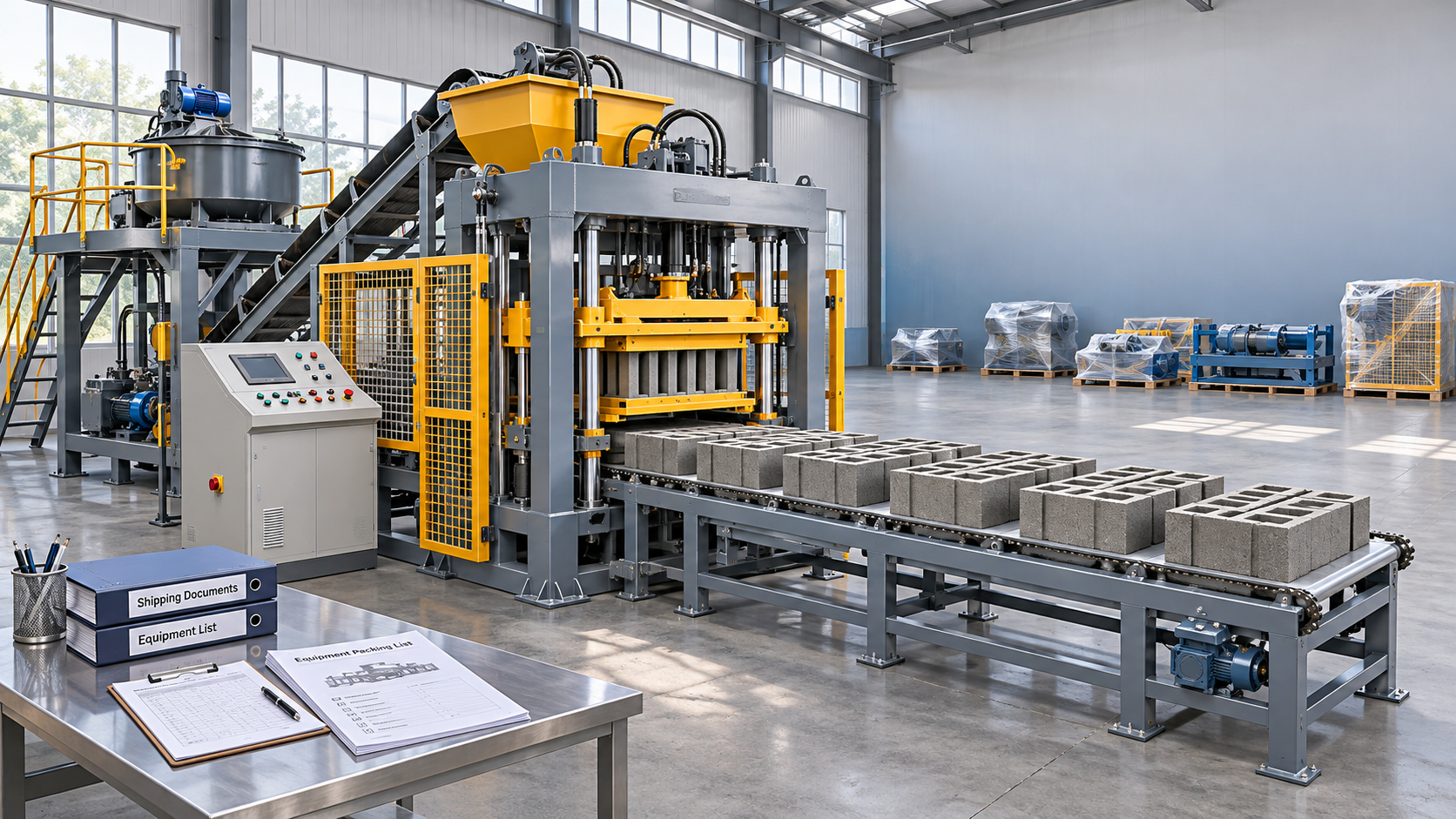
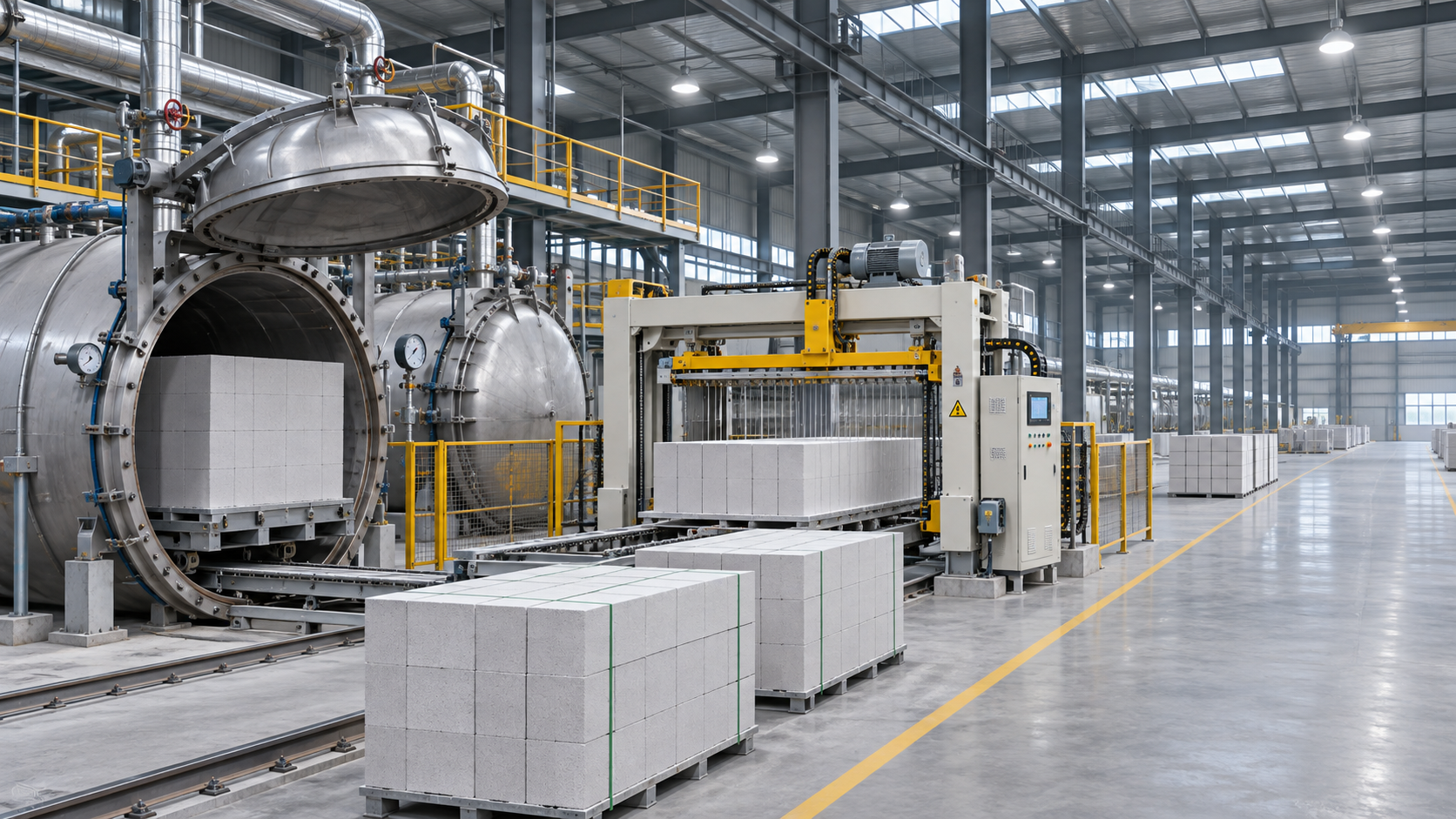
Hongfa’s stated product range includes block machines and lines, aerated concrete block production lines, concrete batching plants and quartz stone machinery production lines. These categories can involve different production processes, equipment configurations and site requirements. A reference for one category is therefore a starting point, not proof of experience in another.
Begin by describing your own project in practical terms: the type of block to be made, the intended level of automation, the destination country, the proposed plant capacity and the support required after delivery. Then ask Hongfa for examples with a similar scope. A buyer planning a complete production line, for example, will learn more from a reference covering integrated equipment and commissioning than from a standalone machine sale.
Geographic relevance also matters, but an identical destination is not the only useful match. A project in another country may still be informative if it involved comparable shipping conditions, electrical requirements, site constraints and service arrangements. Conversely, a shipment to your country says little about a proposed turnkey line if the previous order consisted only of spare parts.
Trace a comparable project from sale to operation
A convincing reference is a connected record, not a collection of photographs. Ask for enough detail to understand what was supplied, where it went, when the equipment was delivered and what happened after arrival. Commercially sensitive information can be redacted, provided the remaining details still allow the project to be matched across documents.
Match shipping records to the equipment
Shipment documents can help establish that goods moved to a destination, but their value depends on what they identify. A record naming the exporter, consignee or destination, shipment date and equipment description is more useful when those details align with the proposed reference project. Shipping records may also describe machinery in broad terms, so they should be read alongside an equipment list or commercial document that identifies the supplied line.
Pay attention to the role Hongfa played. It may have manufactured the machine, supplied it through a trading company or participated as one party in a larger project. A shipment associated with the Hongfa name does not, on its own, establish which entity manufactured, installed or serviced every component.
Shipping evidence has a clear limit: it shows movement of goods, not successful commissioning or long-term performance. For a complete line, ask whether the shipment covered the main machine, handling equipment, molds and control system, or only part of the order. The answer helps prevent an incomplete shipment from being presented as evidence of a complete installation.
Ask for an operating reference with a similar scope
A useful project reference identifies the machine or line configuration, the customer’s application, the approximate delivery period and the status of installation. Photographs and videos can help you understand the layout, but they are stronger when tied to a named project and a consistent equipment list.
If direct contact is possible, speak with someone involved in operating or maintaining the equipment. Ask what was included in the original order, how commissioning was handled, which spare parts were needed and how support requests were resolved. A buyer can also ask whether the equipment now produces the intended products under the customer’s actual operating conditions.
One successful reference does not guarantee the same result at another site. Differences in raw materials, utilities, operator skills and product requirements can change the outcome. Use the conversation to identify those differences and determine what the proposed configuration must address.
Connect the reference to service responsibility
Export experience includes more than arranging transport. Ask who supplied installation instructions, who commissioned the line and whether assistance was provided remotely, on site or through a local partner. A distributor’s presence may be helpful, but the key issue is the responsibility it has accepted for your project.
For an automated line, ask how faults are diagnosed and how replacement components are identified. For a simpler machine operated by an experienced local team, detailed manuals and access to parts may carry more weight than on-site commissioning. The appropriate support package depends on the equipment’s complexity and the buyer’s technical resources.
Use “Ltd. quartz line reviews” as context, not a substitute
Search results for “Ltd. quartz line reviews” can lead buyers toward Hongfa’s broader machinery activities. A review of a quartz line might reveal useful questions about communication, documentation or parts supply. It can also help identify a customer or project that merits further discussion.
Keep the equipment category and reviewer’s relationship to the project in view. A detailed account from an operator is more informative than a brief rating with no identifiable machine or purchase context. A promotional case study may show a configuration, while an independent customer conversation can add detail about day-to-day operation.
The distinction matters because a supplier’s ability to deliver one type of production line does not automatically establish its experience with block molds, curing arrangements or block handling equipment. Likewise, a complaint about a different product should be understood in its own context before it is applied to a block machine purchase.
Check the company and the documents behind the offer
The business profile identifies Shandong Hongfa Scientific Industrial & Trading Co., Ltd. as a construction machinery producer established in 1990. It also describes manufacturing bases in Shandong and Guangxi and a range that includes block machinery. Those details are useful for framing a supplier assessment; the documents for your transaction should establish which legal entity will make the offer and fulfill the contract.
Compare the company name on the quotation, contract and payment instructions with the entity identified in the relevant business and export documents. If another company will export the equipment or receive payment, ask how it is related to the supplier and which party is responsible for delivery and warranty obligations. Using a separate exporter or distributor can be a legitimate arrangement; the responsibilities should be clear in writing.
The company profile also refers to ISO 9001:2008 certification and various honors. Quality management certification can be relevant to how a manufacturer manages processes, but it does not establish the performance of a particular machine or the completeness of an export service. Ask for the current certificate, its scope, validity and issuing body, and assess whether the covered entity and activities match your proposed purchase. Treat awards and patent claims as background unless they can be connected to a specific capability needed for the project.
Compare the reference project with the proposed line
Before relying on an export reference, put its scope beside the quotation you have received. The comparison often reveals whether an apparently similar project actually involved the same level of integration.
A close match across these areas is more persuasive than a long list of destinations. If the reference covers a smaller or less automated installation, it can still be useful, but ask for additional evidence covering the parts of your proposed line that were absent from that project.
Turn export evidence into contract terms
Once the project evidence and quotation align, translate the important details into the purchase documents. A customer reference may describe helpful service, but your contract determines the service included in your order.
The equipment schedule should identify the main machine and the components needed for the agreed scope, including molds, controls, conveyors or other handling equipment where applicable. Define any items the buyer must provide, such as foundations, utilities, raw materials or local installation labor. This is especially important for a complete line, where an omitted interface can delay commissioning even if the main machine arrives on time.
Agree on the documents to be supplied with the shipment and the responsibilities of each party for transport, import clearance and delivery. The contract should also state how installation and commissioning will be supported, what training is included and which language will be used for manuals and communication.
For acceptance, specify an observable process suited to the equipment and site. It should identify the products to be made, the operating conditions, the responsibilities for supplying materials and the records used to demonstrate completion. Where site conditions or materials are not yet settled, agree on how those dependencies will be resolved before an acceptance test takes place.
Finally, make the after-sales arrangement concrete: identify the contact channel, warranty scope, spare-parts ordering process and any conditions that affect on-site assistance. The most meaningful evidence of export readiness is a consistent chain from a comparable project and shipment to a quotation and contract that explain who will deliver, commission and support your own block machine.
Next:No more content
Recommend
 Nov 24, 2026
How to Verify Hongfa's Block Machine Export Experience
Ltd. quartz line reviews offer context, but how do you verify Hongfa’s block machine export experience? Explore shipment records, project references and support.
- Nov 23, 2026
How to Evaluate Reviews of Hongfa Quartz Stone Lines
Comparing Ltd. AAC plant price information or Hongfa quartz line reviews? Learn to verify output, service and costs before investing.
- Nov 22, 2026
How Much Does a Hongfa AAC Plant Cost?
Shandong Hongfa Scientific Industrial & Trading Co. AAC plant costs depend on capacity, automation and site needs. Explore pricing factors before requesting a quote.