



‹
›
Aerated brick
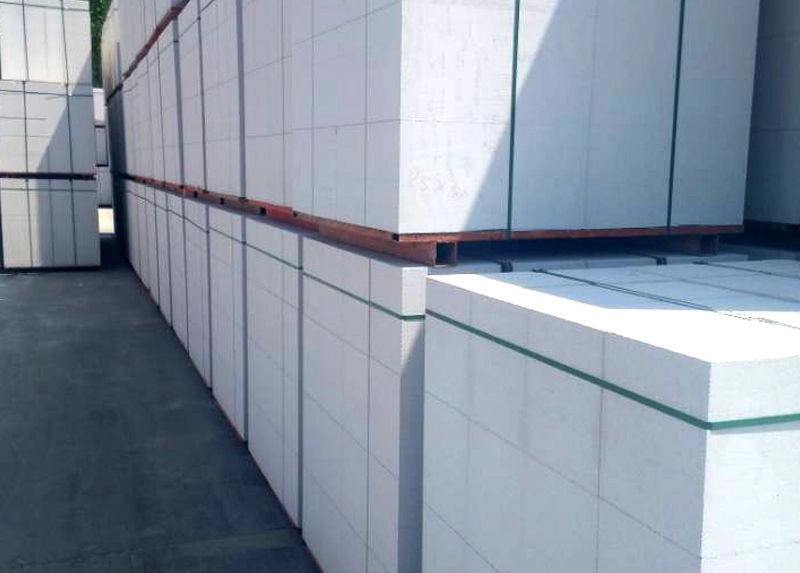
Aerated bricks, commonly known as AAC blocks, are lightweight precast building materials. Made from sand, cement, lime, and an expanding agent, they possess a porous cellular structure. This composition provides excellent thermal insulation, soundproofing, and fire resistance. Their low density reduces structural loads, leading to faster construction and cost efficiency. These blocks are highly workable, allowing for easy cutting and shaping. Ideally suited for various walls in residential and commercial projects, aerated bricks are a sustainable, energy-efficient solution for modern construction.
All PRODUCTS
Stay Connected
If you have any questions, please contact us and we will contact you as soon as possible.
Prduct Introdution
Aerated Brick (AAC Block)
Aerated bricks, commonly known as AAC blocks (Autoclaved Aerated Concrete Blocks), are lightweight precast building materials widely used in modern residential, commercial, and industrial construction. Made primarily from sand, cement, lime, and an expanding agent, AAC blocks feature a porous cellular structure that provides excellent thermal insulation, sound insulation, and fire resistance.
Their low density reduces the overall dead load of buildings, while their easy workability makes them simple to cut, drill, and shape during construction. As a result, aerated bricks can help improve construction efficiency, reduce labor requirements, and support more energy-efficient building designs.
1. Product Features
Lightweight Construction
AAC blocks have a lightweight cellular structure that significantly reduces their density compared with many conventional masonry materials.
The lower weight can help:
- Reduce structural loads
- Lower transportation and handling costs
- Simplify installation
- Improve construction efficiency
- Support lighter building structures
Excellent Thermal Insulation
The numerous microscopic air pores within AAC blocks provide good thermal insulation performance.
They help reduce heat transfer through walls, which can contribute to:
- Lower heating and cooling demand
- Improved indoor thermal comfort
- Better building energy efficiency
- Reduced long-term energy consumption
Sound Insulation
The porous structure of aerated concrete helps reduce the transmission of airborne sound through walls.
AAC blocks are therefore suitable for applications where improved acoustic performance is required, including:
- Residential buildings
- Apartments
- Hotels
- Office buildings
- Schools
- Commercial properties
Fire Resistance
Aerated concrete is a non-combustible mineral-based material and offers strong resistance to high temperatures.
AAC blocks are widely used in wall systems where fire safety and fire-resistant construction are important considerations.
Easy to Cut and Process
AAC blocks are relatively easy to cut, drill, shape, and install using standard construction tools.
Their workability allows contractors to conveniently create openings and make dimensional adjustments on site, helping simplify installation and reduce construction time.
2. Raw Materials
Aerated bricks are generally manufactured using a controlled mixture of:
- Sand
- Cement
- Lime
- Expanding agent
- Water
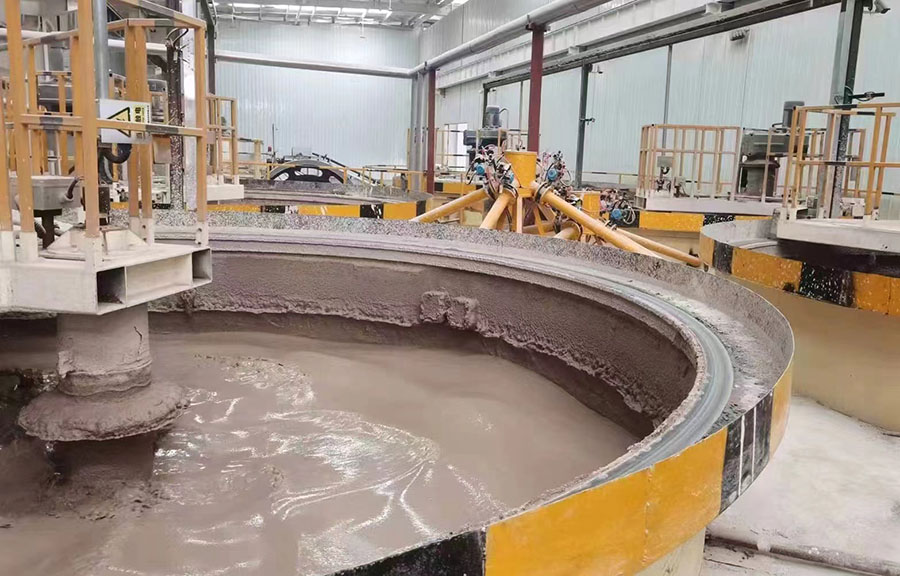
The expanding agent creates a large number of small air pores throughout the material. After molding and curing, these pores give AAC blocks their characteristic lightweight and insulating structure.
The exact formulation and production process can vary depending on the manufacturer and required product performance.
3. Cellular Structure
One of the most important characteristics of AAC blocks is their uniform porous structure.
The internal air cells provide a combination of lightweight construction and insulation performance while maintaining sufficient structural properties for many wall applications.
The cellular structure contributes to:
- Low density
- Thermal insulation
- Sound insulation
- Improved workability
- Reduced building dead load
4. Applications
Aerated bricks are suitable for a wide range of wall construction applications, including:
Residential Buildings
Used for exterior walls, interior partition walls, and other masonry applications.
Commercial Buildings
Suitable for offices, hotels, shopping facilities, and other commercial structures.
Industrial Buildings
Can be used for partitioning and non-load-bearing wall systems in industrial facilities.
Partition Walls
The lightweight nature and easy processing of AAC blocks make them suitable for interior partitions.
Energy-Efficient Buildings
Their thermal insulation properties make AAC blocks particularly suitable for projects focused on reducing building energy consumption.
5. Construction Advantages
Faster Installation
AAC blocks are lightweight and relatively easy to handle, which can help workers install wall sections more quickly.
Reduced Labor Requirements
Their easy cutting and shaping characteristics can simplify onsite modification and installation.
Lower Structural Load
The reduced density of AAC blocks can decrease the dead load imposed on structural components, potentially supporting more economical structural design.
Less Material Waste
AAC blocks can be cut accurately to suit different wall dimensions and openings, helping reduce unnecessary material loss during construction.
Improved Energy Efficiency
The thermal insulation properties of AAC walls can help reduce heat transfer and support lower building energy requirements.
6. Environmental Benefits
AAC blocks can contribute to more sustainable construction through their lightweight design, thermal insulation performance, and efficient material utilization.
By helping reduce building energy demand and structural weight, aerated concrete products can support energy-efficient building designs and more resource-conscious construction practices.
7. Key Advantages of Aerated Bricks
8. Why Choose AAC Blocks?
Aerated bricks provide an effective combination of lightweight construction, insulation, fire resistance, workability, and construction efficiency.
Compared with many traditional masonry materials, AAC blocks are easier to handle and process while providing useful thermal and acoustic performance. This makes them an attractive solution for modern buildings where efficiency, comfort, and sustainability are increasingly important.
Previous page: Air-filling plate cutting machine
Next page: AAC Block Production Line
Inquiry
HOT Products