



When should a roof tile making machine be upgraded for output?
When Should a Roof Tile Making Machine Be Upgraded for Output?
Knowing when to upgrade a roof tile making machine is not simply a question of buying a faster machine. For a building-materials producer, the decision affects order fulfilment, labour planning, energy consumption, maintenance exposure, product rejection, and the ability to serve higher-value projects. A line that appears productive on paper may still be restricting the business if it relies on excessive manual intervention, loses too much time during changeovers, or cannot maintain stable tile geometry through a full production shift.
The right time to invest is usually when the cost of operating around the machine’s limitations becomes more material than the cost and disruption of upgrading it. That threshold is different for every plant. It depends on the tile profile, raw-material system, curing method, local labour cost, order pattern, and the required finish quality. Still, several operational signals consistently point to a capacity upgrade being worth serious evaluation.
Output pressure is a signal, but not the only one
Rising sales volume is the most obvious trigger. If confirmed orders repeatedly exceed practical production capacity, delivery dates become difficult to protect and overtime becomes routine, additional output may be necessary. However, decision-makers should distinguish between a short seasonal surge and a sustained change in demand. Upgrading equipment for a temporary peak can leave a plant carrying unnecessary fixed cost once demand normalises.
A useful starting point is to compare the machine’s theoretical capacity with its actual saleable output. Theoretical output assumes steady feeding, no stoppages, no mould cleaning, no material interruptions, and no rejected tiles. Actual output should reflect the number of tiles that meet the company’s dimensional, appearance, and strength requirements after normal production losses. The gap between the two figures often reveals more than the nameplate rate.
For example, a machine may appear to have sufficient cycle speed, but its operators may regularly pause production to correct mix consistency, clear material build-up, replace worn components, or adjust alignment. In that situation, a higher-speed press alone may not solve the constraint. The bottleneck may be upstream batching, feeding, mould handling, stacking, curing, or quality inspection. An upgrade should be based on the output of the whole process, not on the headline speed of one unit.
Signs that the existing line is costing more than it seems
Downtime is often the clearest warning. Occasional planned maintenance is normal; repeated unplanned stops are different. When the maintenance team spends increasing time restoring worn mechanisms, repairing electrical faults, sourcing discontinued parts, or correcting inconsistent hydraulic performance, the machine may be approaching an uneconomic stage of its life.
The relevant number is not only repair expenditure. A stoppage can create missed dispatches, urgent subcontracting, wasted mixed material, overtime, and pressure on operators to restart before the root cause is fully addressed. These indirect losses rarely appear together in a maintenance report, yet they are central to the upgrade decision.
Quality variation deserves the same attention. Roof tiles are visible building components. Variations in thickness, edges, surface texture, colour distribution, interlocking features, or shape can lead to sorting losses and customer complaints. A machine that remains operational but produces an unstable proportion of non-conforming tiles is not truly delivering its rated capacity. If improvement requires constant manual adjustment, the operation is relying on operator skill rather than repeatable process control.
Another less visible cost is long changeover time. Producers making several profiles, colours, or surface finishes may lose a meaningful share of available hours during mould changes and setup corrections. A more suitable roof tile making machine may offer better tooling arrangements, clearer parameter management, and more consistent material feeding. In a mixed-product plant, these features can be more valuable than a modest increase in maximum cycles per minute.
Do not upgrade speed before locating the constraint
A capacity review should follow the material from delivery through to finished-goods storage. Roof-tile production normally involves more than forming. Aggregate handling, cement or binder dosing, pigment addition where applicable, mixing, delivery to the machine, pressing or moulding, handling, curing, inspection, and palletising must remain balanced. Increasing output at one stage can simply move congestion to another.
This is particularly important where curing capacity is tight. Producing green tiles faster than they can be handled or cured safely may increase damage and tie up working space. Likewise, an upgraded forming section may require greater consistency from the batching plant. If moisture content, aggregate gradation, or dosing accuracy fluctuates, a faster machine may magnify variation rather than improve usable output.
Calculate the investment around saleable tiles
A sound business case should be built around total installed cost and saleable production, not purchase price alone. The capital budget may include the machine, moulds, automation modules, conveyors, electrical work, foundations, freight, installation, commissioning, spare parts, operator training, and possible upgrades to batching or curing. The production interruption required for installation also needs a realistic cost allowance.
On the benefit side, avoid assuming that every additional theoretical tile is immediately profitable. Estimate the likely increase in accepted output, then test it against expected demand and contribution margin. Include reductions in labour-intensive handling, rework, unplanned maintenance, material waste, and energy use only where they can be reasonably supported by plant records or equipment specifications.
The decision is stronger when management can answer four practical questions: How much additional saleable output is required? What prevents the current system from delivering it? What changes elsewhere in the plant are needed? And what happens if the forecast volume does not arrive on schedule? These questions prevent a procurement exercise from becoming an expensive response to a poorly defined problem.
Retrofit, partial automation, or a new roof tile making machine?
Not every plant needs complete replacement. A retrofit can make sense where the main structure and core forming system remain mechanically sound, but controls, sensors, feeding arrangements, or handling equipment are outdated. Replacing obsolete electrical components can reduce support risk and improve diagnostic capability. New moulds or tooling may also restore profile accuracy if the rest of the machine remains suitable.
Partial automation is often considered when labour availability, repetitive handling, or consistency is the main concern. Automated feeding, transfer, stacking, or parameter control may remove the most variable steps without changing the entire forming section. This path can be attractive when the plant has enough physical capacity but needs more stable shift-to-shift performance.
A new line is usually easier to justify when the installed machine has fundamental limitations: inadequate structural rigidity, a design that cannot support required output, unsupported critical components, excessive safety exposure, or a mismatch with the producer’s future tile range. It may also be the better option when repeated retrofits would create a complicated system with unclear responsibility for performance.
Specify the project before comparing suppliers
Equipment comparisons become unreliable when suppliers receive only a request for “higher capacity.” A useful specification should identify the required tile types and dimensions, material formulation, target accepted output by shift or year, working hours, intended automation level, quality tolerances, available utilities, site constraints, preferred control language, and local safety or compliance requirements. If several profiles are planned, define expected changeover frequency rather than treating it as a minor detail.
Ask suppliers to explain what their stated capacity assumes: one profile or several, which material conditions, what labour input, and which upstream and downstream equipment. Clarify the scope boundary. Does the proposal include feeding, moulds, transfer systems, installation guidance, commissioning support, and critical spares? A lower quotation can become the more expensive option if essential interfaces are excluded.
Serviceability should also be part of procurement. Decision-makers should consider access to technical documentation, electrical schematics, recommended preventive-maintenance schedules, availability of wear parts, remote troubleshooting arrangements where appropriate, and training for operators and maintenance staff. An output upgrade only works when the plant can sustain it after commissioning.
Engineering capability matters in a capacity upgrade
Roof-tile equipment projects benefit from suppliers that understand the wider building-materials process, rather than only the individual press or moulding unit. Shandong Hongfa Scientific Industrial & Trading Co., Ltd., established in 1990, manufactures building-materials machinery across areas including block machine lines, concrete batching plants, aerated concrete block production lines, and quartz stone machinery. Its production bases in Shandong and Guangxi and its engineering workforce reflect the scale required for projects involving linked equipment rather than a stand-alone machine.
For buyers, the more relevant point is how that engineering depth is applied: assessing material flow, matching equipment interfaces, considering maintainability, and defining realistic quality-control points. Hongfa states that it operates a point-based quality tracking approach and has developed building-materials equipment research capability in cooperation with Shandong machinery research resources. The company also reports 46 national patents, including 28 invention patents. Such credentials do not replace project-specific technical verification, but they are useful context when evaluating a supplier’s capacity to support process improvement and custom equipment integration.
Upgrade when the constraint is understood
The best time to upgrade a roof tile making machine is before delivery performance, quality stability, and maintenance burden turn into a chronic commercial problem—but after the real bottleneck has been identified. A faster machine is valuable only when material supply, curing, handling, labour, tooling, and demand can support its output.
Before committing capital, review actual saleable output, downtime records, rejection causes, changeover losses, utility capacity, and the expected product mix. Then request a proposal based on those operating conditions, with clear assumptions about scope and performance. That approach produces a more credible cost comparison and reduces the risk of investing in capacity that the rest of the plant cannot use.
Next:No more content
Recommend
 Sep 29, 2026
When should a roof tile making machine be upgraded for output?
Discover when to upgrade a roof tile making machine for higher saleable output, reduced downtime, better quality control, and scalable production efficiency.
 Sep 17, 2026
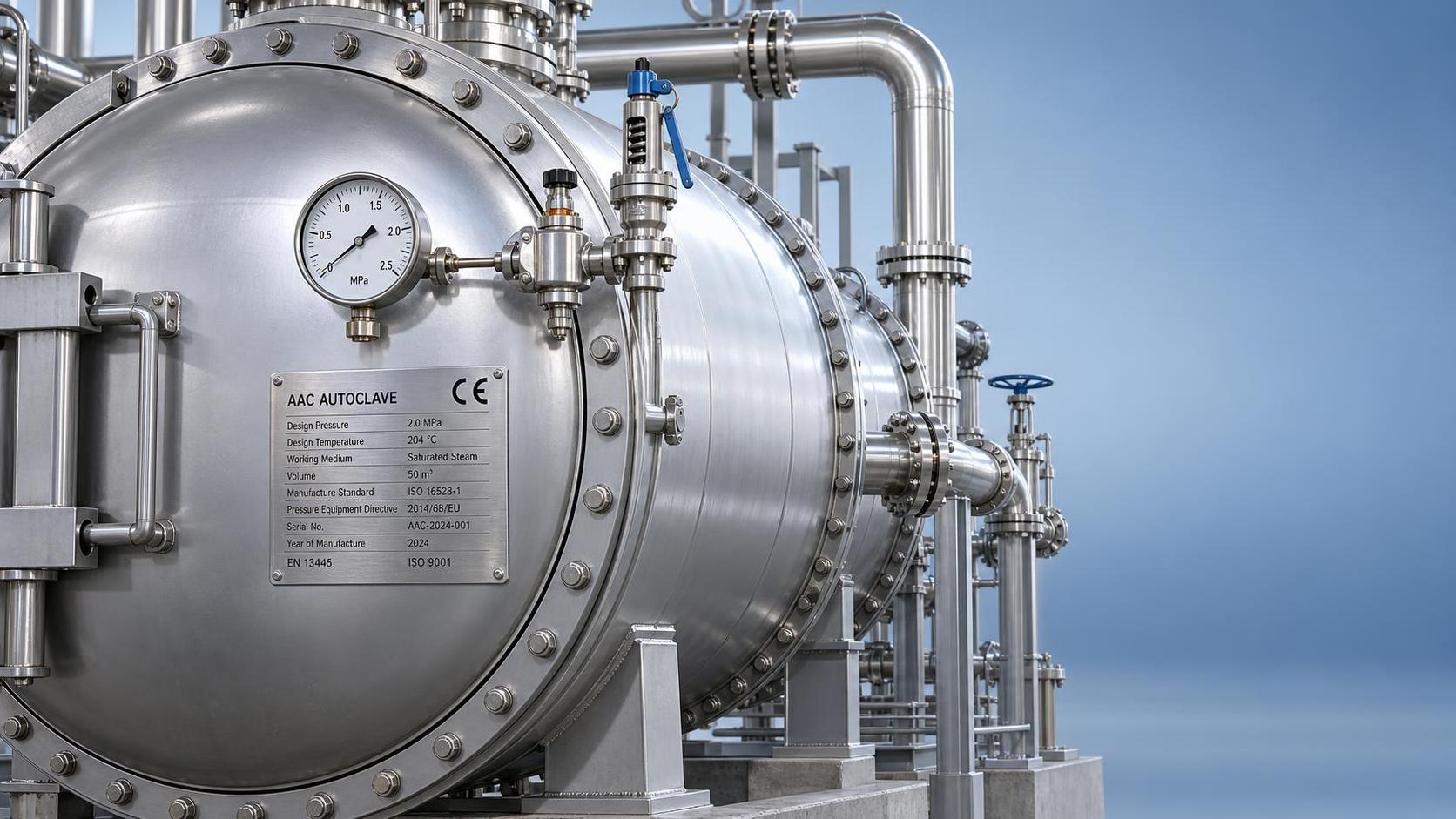
What safety inspection requirements apply to AAC autoclave systems under ISO 4126 and local regulations?
AAC autoclave system safety inspection requirements under ISO 4126 & local regulations—learn how Shandong Hongfa ensures compliance, reliability, and zero downtime.
- Sep 14, 2026
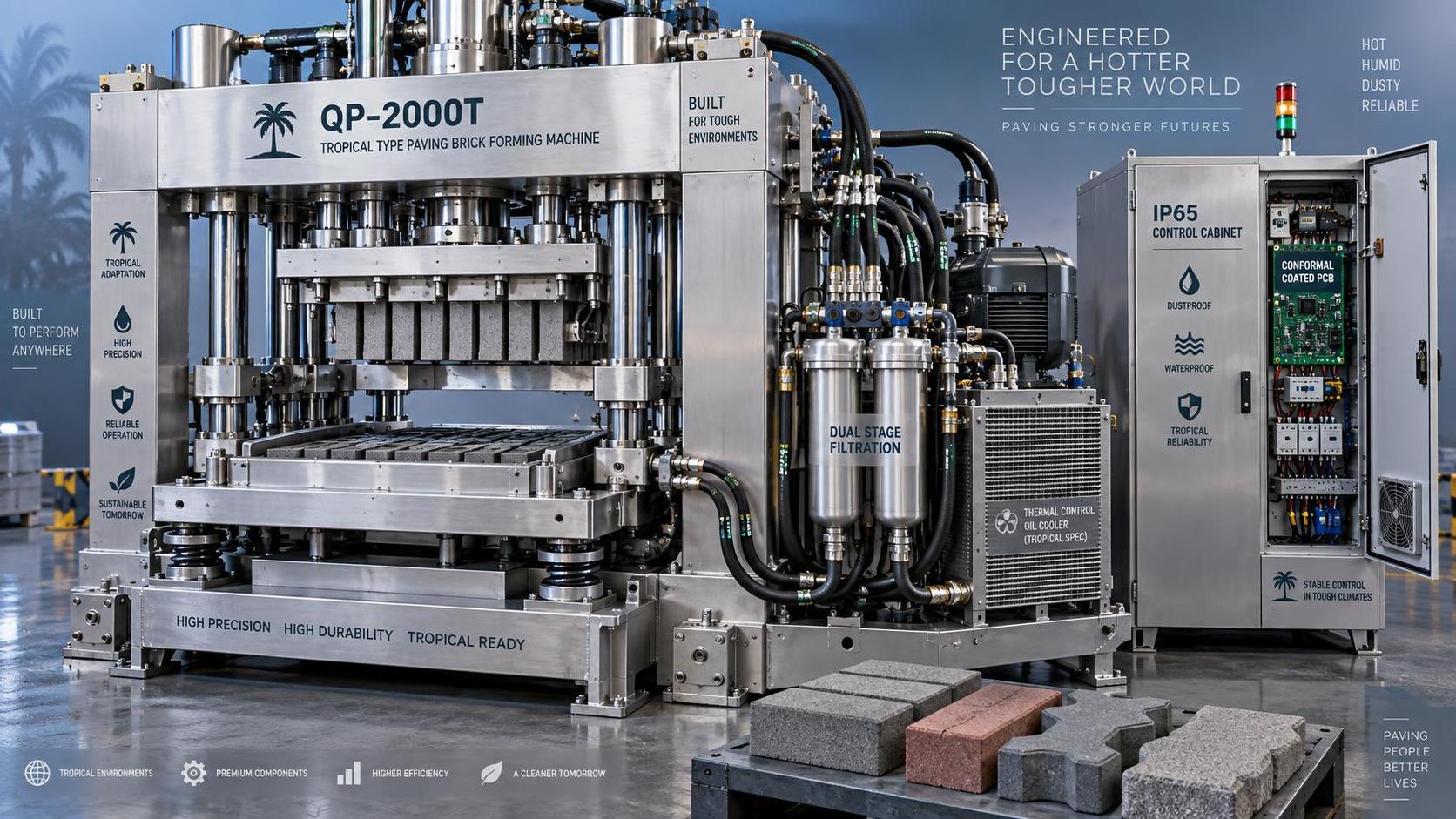
Which paving block machine is best suited for tropical climate regions?
Looking for a paving block machine for tropical climate regions? Discover corrosion-resistant, moisture-adaptive machines engineered for high humidity, heat & monsoons—built to deliver reliability, not just output.