How Much Does AAC Sand Grinding Equipment Cost?
The cost of AAC sand grinding equipment depends on production capacity, mill configuration, automation, and installation requirements. For a manufacturer planning an autoclaved aerated concrete production line, the purchase price is only one part of the investment. Electricity, wear parts, maintenance, and integration with slurry preparation can influence the cost of every block produced.
There is also a related budgeting question: Is automatic packaging worth the cost for an AAC block plant? Grinding and packaging sit at opposite ends of the process, but both compete for capital and affect line performance. Evaluating them together helps prevent a plant from investing heavily in one area while leaving a costly bottleneck in another.
What does an AAC sand grinding system cost?
There is no dependable single price for AAC sand grinding equipment without a defined capacity and scope. A quotation for a mill alone is not directly comparable with one covering a complete wet-grinding and slurry-handling system. Local fabrication, freight, civil works, installation, and taxes can also change the total project cost.
Rather than relying on an unverified price range, ask suppliers to separate the investment into identifiable packages:
Some of these items may already exist at a plant; others may be supplied by a separate contractor. The important point is to make the boundaries visible. A lower equipment quote can become more expensive once missing pumps, electrical work, or installation are added.
Why grinding requirements vary from one AAC plant to another
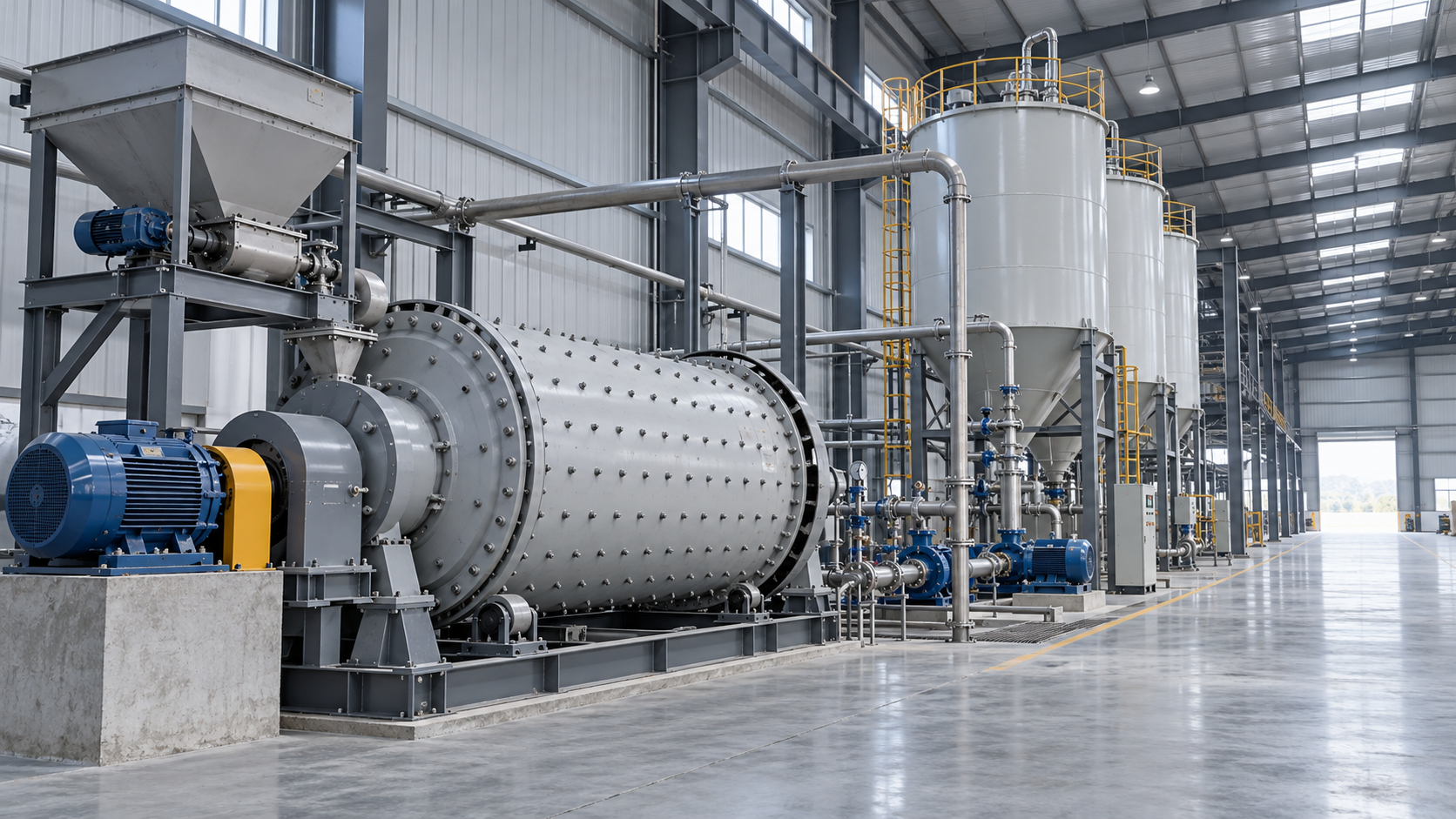
In many AAC processes, quartz sand is ground with water to form a slurry before it is dosed into the mix. The grinding system must deliver material at a fineness and consistency suited to the plant’s raw materials, recipe, and process. It is not simply a matter of buying the largest mill the budget allows.
Production capacity and operating schedule
Start with the planned output of the AAC line, then establish how much sand slurry the process requires. The equipment supplier can use that information, together with the intended operating hours and allowance for downtime, to size the grinding system.
Two plants with the same annual block target may need different mill capacities if one operates longer shifts or has more slurry storage. Undersizing can interrupt mixing; oversizing can tie up capital and may result in inefficient operation at low loads. Ask for the assumptions behind the proposed capacity, not just the headline rating.
Sand characteristics and required fineness
Sand hardness, particle size, moisture, and impurities affect grinding behavior. The desired fineness matters too: a finer target may require more grinding effort or a different system arrangement. These variables make a major difference to both equipment selection and energy use.
Provide a representative sand sample or a reliable material analysis where possible. If the plant expects to change suppliers or use a blend of raw materials, tell the equipment manufacturer before sizing is finalized. A mill selected for one feed condition may not perform the same way when the material changes.
Wet grinding and slurry management
A wet ball mill is commonly considered for AAC sand preparation, but the mill is only one part of the system. Water addition, slurry pumping, tank agitation, and transfer to dosing equipment all affect how consistently the material reaches the mixer.
Check whether the proposed layout includes sufficient storage and whether the pumps, piping, and tanks are sized for the expected slurry properties. Also establish how slurry concentration and fineness will be checked during operation. These details can influence product consistency and the amount of operator attention required.
Compare quotations by scope, not by mill price alone
When several suppliers submit offers, create a side-by-side comparison using the same operating basis. A useful quotation should identify the following:
- Design feed: sand characteristics, feed size, moisture, and any assumptions about preparation.
- Output basis: required throughput, operating hours, target fineness, and slurry concentration where applicable.
- Included equipment: mill, drive, feed system, pumps, tanks, instruments, and controls.
- Utilities: connected electrical load and estimated power and water requirements under the stated conditions.
- Delivery responsibilities: foundations, unloading, mechanical and electrical installation, commissioning, and training.
- After-sales provisions: recommended spares, wear-part specifications, technical documentation, and availability of support.
Ask suppliers to distinguish connected motor power from expected electricity consumption. A motor’s rated capacity is not the same as the energy the complete system will use in normal operation. Any consumption estimate should state the feed material, output, and operating conditions on which it is based.
Performance guarantees, if offered, also deserve careful reading. Confirm how throughput and fineness will be measured, what material will be used for testing, and which operating conditions are required. This makes the acceptance process clearer for both buyer and supplier.
The costs that continue after installation
A purchase decision may be made in weeks, but the grinding system can influence production costs for years. Four operating areas deserve particular attention.
Electricity: Grinding is an energy-consuming stage. Compare realistic consumption estimates per tonne of dry sand processed, where suppliers can provide them on a consistent basis. Include auxiliary equipment such as pumps and agitators if you are comparing complete systems.
Wear parts and maintenance: Mill linings, grinding media, pump components, and other contact parts wear over time. Their replacement cost depends on material characteristics and operating practice. Ask how wear is monitored, which parts need routine replacement, and whether commonly required spares are held locally or must be imported.
Downtime: A mill that is difficult to inspect or maintain can disrupt the whole line. Access around the equipment, lifting arrangements, spare-parts planning, and maintenance procedures matter alongside the initial price. Slurry storage may provide a buffer, but its usefulness depends on the plant’s design and operating schedule.
Process control: Inconsistent slurry concentration or fineness can make batching harder to control. The resulting adjustments, rejected material, or interruptions are not always visible in an equipment quote. Agree on a practical testing and monitoring procedure before the line starts production.
Is automatic packaging worth the cost for an AAC block plant?
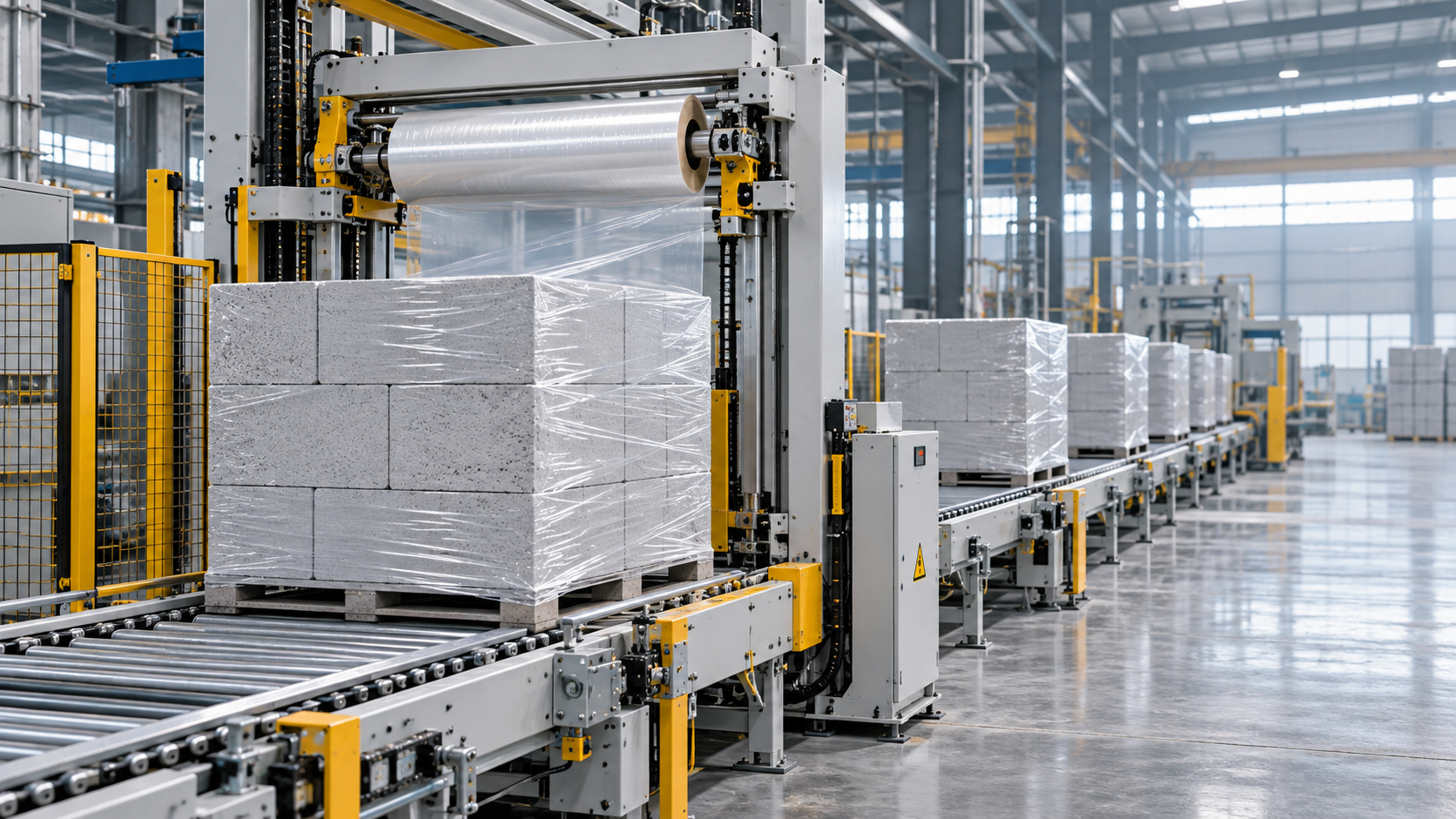
Automatic packaging can be worth the investment when finished-block handling is a recurring constraint, labor availability is uncertain, or the plant needs more consistent preparation for storage and shipment. It is not automatically the right choice for every project. A smaller operation with moderate output and reliable labor may find that semi-automatic handling meets its needs with less upfront expenditure.
Packaging equipment may include conveying, grouping, strapping, wrapping, pallet handling, or other functions, depending on the line design. Before comparing prices, define exactly which tasks the system will perform and which will remain manual. Packaging requirements also depend on block dimensions, product mix, pallet use, transport methods, and customer expectations.
A practical assessment begins at the end of the line. Observe or estimate how many finished packs must be handled during a normal shift and during peak periods. Then identify where delays occur: moving cured blocks, grouping products, applying packaging, or transferring packs to storage. Automating a step that is not a bottleneck may provide less value than improving the preceding handling process.
Calculate payback using the whole operating picture
Estimate the installed cost of the proposed packaging system, including conveyors, guarding, electrical work, integration, and any building changes. Compare that with the expected annual benefit from factors that apply to your plant, such as lower handling labor, reduced packaging waste, fewer damaged blocks, or additional saleable output when packaging currently limits production.
A simple starting calculation is:
Indicative payback period = installed investment ÷ estimated annual net benefit.
Net benefit should account for added electricity, consumables, maintenance, spare parts, and any labor still needed to operate the system. It should also avoid counting extra production as a benefit unless the rest of the line has available capacity and there is demand for the additional blocks. This calculation is a screening tool, not a guarantee; financing costs and the timing of future expenses should be considered in a fuller investment analysis.
If the result is uncertain, ask whether the plant layout can accommodate packaging automation later. Space, conveyor elevations, electrical capacity, and access routes are easier to plan before construction than to change after the line is running.
How to set a sensible equipment budget
Begin with the production plan rather than a catalog model. Define the intended block output, operating schedule, raw materials, and available utilities. Then work backward through mixing and slurry preparation to establish the grinding requirement. At the same time, map finished-product handling so that packaging capacity is not overlooked.
For a new line, request an integrated equipment list that shows how sand grinding connects to slurry storage, dosing, mixing, curing, and downstream handling. For an existing plant, document the equipment already in place and provide drawings or measurements. This helps suppliers identify interfaces and reduces the risk of ordering components that do not fit the site.
Shandong Hongfa Scientific Industrial & Trading Co., Ltd. manufactures AAC block production lines as part of its construction machinery business. Buyers evaluating a new line or related equipment can discuss their planned capacity, raw materials, and site conditions with the company and request a defined quotation. As with any supplier, confirm the precise equipment scope, installation responsibilities, and support arrangements for the proposed project.
Questions to answer before placing an order
- What sand feed and slurry output conditions were used to size the grinding system?
- Does the quote include all necessary pumps, tanks, controls, and connecting equipment?
- What electricity and water requirements are expected under the stated operating conditions?
- Who is responsible for civil works, installation, commissioning, and operator training?
- How will throughput, fineness, and slurry concentration be checked during acceptance?
- Which wear parts and spares should be available at startup, and how will replacements be obtained?
- Will the packaging arrangement handle the intended product mix without restricting line output?
The right investment is not necessarily the cheapest mill or the most automated packaging line. It is a system sized for the material, production schedule, and people who will operate it. A clear scope and realistic operating assumptions give buyers a stronger basis for comparing offers—and a better chance of building a line that performs as planned.
Next:No more content
Recommend
 Nov 12, 2026
How Much Does AAC Sand Grinding Equipment Cost?
Is automatic packaging worth the cost for an AAC block plant? Explore payback, compare AAC sand grinding equipment costs, and plan a smarter investment.
- Nov 12, 2026
Is Automatic Packaging Worth the Cost for an AAC Block Plant?
How many concrete roof tiles can a machine produce per day? Explore how real operating rates and payback analysis guide AAC packaging investment.
- Nov 11, 2026
How Many Concrete Roof Tiles Can a Machine Produce per Day?
Can one cutting machine handle different AAC panel sizes? Explore the answer and learn how to calculate realistic daily concrete roof tile output.