How Many Concrete Roof Tiles Can a Machine Produce per Day?
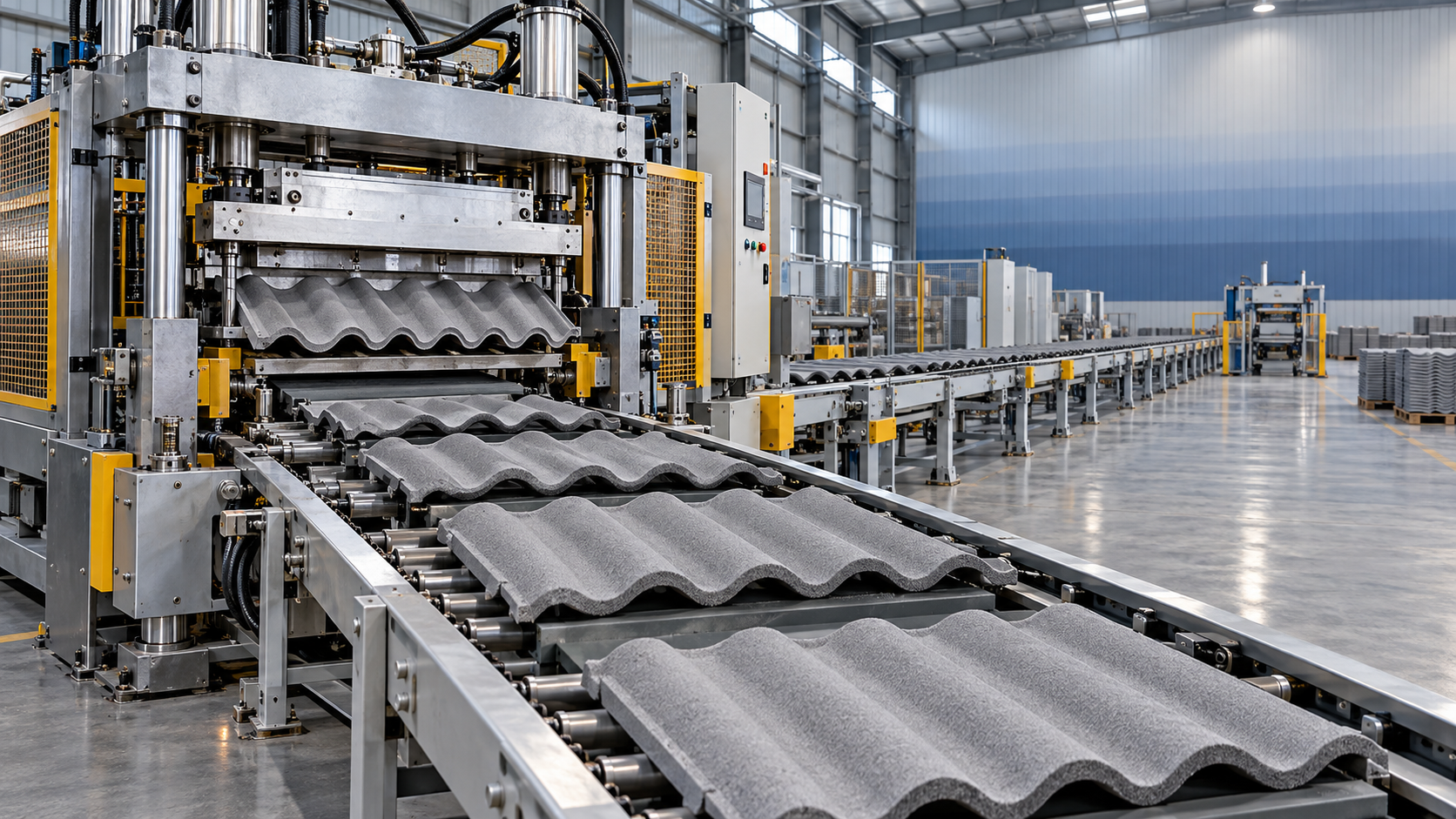
A concrete roof tile machine’s daily output is its production rate multiplied by the time it actually runs, then adjusted for rejected tiles. There is no single daily figure that applies to every machine: the result depends on the tile profile, operating schedule, interruptions and quality yield. A supplier’s hourly rating is a useful starting point, but it should not be treated automatically as finished, saleable output.
This distinction matters when a factory must plan orders, curing space and staffing around a promised quantity. A machine that can form the required number of tiles during uninterrupted operation may still fall short after changeovers, cleaning, material delays and quality losses. The practical question is therefore not just “How fast can it run?” but “How many acceptable tiles can the complete process deliver during the planned day?”
Start with a rate that matches the tile
Machine capacity is commonly presented as tiles per hour, tiles per shift or tiles per day. Before comparing figures, establish what each one includes. A rate quoted for one tile profile may not apply to a different size, thickness or shape. Likewise, a daily rating is difficult to interpret unless the supplier states the number of operating hours and whether it assumes continuous running.
Ask whether the stated figure represents tiles formed at the machine, tiles transferred to curing, or finished tiles that have passed inspection. These are different counting points. Formed output can include damaged or out-of-specification pieces that never become saleable stock.
Also check whether the rating covers the machine alone or an entire production line. Forming equipment may be capable of a certain speed, but its output cannot be sustained if the mixer, tile carriers, handling equipment or downstream stations cannot keep pace. A useful quotation identifies the equipment included and the conditions under which the rate is achievable.
Calculate a practical daily estimate
Use the following method when you have a machine rating and a proposed operating schedule:
- Confirm the rated hourly output for the intended tile profile and machine configuration.
- Set the scheduled production hours for the day, excluding time when the line is not intended to operate.
- Estimate actual running time by subtracting expected stops during that schedule, such as cleaning, adjustments and material interruptions.
- Multiply the hourly rate by running time, allowing for any sustained speed below the rated rate.
- Subtract expected rejects to estimate acceptable tiles rather than gross formed pieces.
For an illustrative calculation, suppose a machine is rated at 1,000 tiles per hour for the specified profile. The line is scheduled for eight hours, but stops for one hour in total. If it averages 90% of the rated speed while running and 95% of formed tiles pass inspection, the estimate is:
1,000 × 7 × 0.90 × 0.95 = 5,985 acceptable tiles per day.
These figures are assumptions used to show the calculation, not a claim about any particular machine. The 90% factor represents reduced speed during the seven running hours; it does not account for the hour already deducted as downtime. Keeping those losses separate avoids counting the same interruption twice.
When reliable operating records are unavailable, calculate a range using different assumptions and identify which assumptions have the greatest effect. Once production starts, replace estimates with measured running hours, average operating rate and actual rejection counts. A single unusually smooth day should not be used as the basis for a long-term delivery commitment.
Do not confuse machine output with tiles ready for dispatch
Concrete tiles generally need curing and subsequent handling before they can be treated as finished stock. The number formed today is not necessarily the number available for shipment today, especially during startup or when the curing process has not yet filled the production cycle.
For planning, track at least two quantities: tiles formed during the day and acceptable tiles released after the required curing and inspection. If the line can form tiles faster than available curing capacity can receive them, production will eventually have to slow or stop even though the forming machine itself is capable of more.
Where daily capacity is usually lost
Material preparation. The forming machine needs a consistent supply of concrete with properties suitable for the tile and process. Interruptions in batching or variations in the mix can force operators to slow production, adjust settings or reject tiles. Confirm that mixing and material delivery can support the forming rate over the whole shift, not just for a short demonstration.
Tile profile and changeovers. Different profiles may require different settings, tooling or handling arrangements. A production day divided between several designs can produce fewer tiles than a day dedicated to one profile, because setup and first-piece checks consume time. Ask the equipment supplier which parts must be changed and whether the proposed output assumes a single uninterrupted production run.
Carriers, pallets and return flow. Some processes rely on moulds, pallets or carriers that move with tiles through part of production. Their availability can limit the line even when the forming station is ready to run. The required quantity depends on the process, handling cycle and time before items can be returned. Confirm the full circulation arrangement rather than assuming a small reserve will be sufficient.
Curing and handling. Fresh tiles need to be transferred without damage and held under the conditions required by the production process. Insufficient space, delayed movement or damage during handling can reduce usable output. Count handling damage separately from forming defects so that the corrective action addresses the right stage.
Staffing and routine stops. The relevant question is whether each station can be attended when needed. A line can lose production while waiting for material, carriers, inspection or removal of finished pieces. Scheduled maintenance and cleaning should also appear in the capacity plan; assigning every scheduled minute to production produces an unrealistic figure.
Find the bottleneck before choosing a larger machine
A higher forming rate only increases daily output when the rest of the line can absorb it. Map the intended sequence from material preparation to forming, transfer, curing, inspection and packing. For each stage, record its sustainable rate in the same unit, such as tiles per hour, and note when it is available.
The slowest stage over the relevant period sets the practical limit. For example, if the former can produce faster than tiles can be moved into curing, a larger former may create congestion rather than more finished tiles. Conversely, a curing area may have ample space but still be underused if material preparation cannot supply the machine consistently.
Rates should be compared over comparable time periods. A mixer’s capacity stated per batch must be converted using the full batch cycle, including loading and discharge. Handling capacity should account for the return trip and normal interruptions, not just the fastest observed movement. Where different tile designs run on the same line, repeat the assessment for each design and its planned production mix.
Turn a daily sales target into an equipment requirement
Work backwards from the number of acceptable tiles needed per day. Divide that target by the expected quality yield to find the number that must be formed. Then divide by available running hours and the expected operating-speed factor to determine the required rated hourly capacity.
Using the illustrative assumptions above, a target of 5,985 acceptable tiles, a 95% yield, seven running hours and a 90% operating-speed factor gives a required rating of 1,000 tiles per hour. If any assumption changes, the required rating changes too. A shorter shift or lower yield cannot be compensated for by using the original rating in the calculation.
Include normal production interruptions in the plan, but keep unusual events separate. Planned profile changes, daily cleaning and routine material replenishment belong in the operating schedule. A major equipment failure is better considered separately as a continuity risk rather than hidden inside an unexplained efficiency percentage. This makes the estimate easier to review and improve.
Questions to settle when comparing quotations
Request capacity information for the exact tile dimensions and profile intended for production. A useful comparison also covers:
- The operating hours assumed in any daily output figure and whether breaks, cleaning or changeovers are included.
- The rated forming speed and the expected sustainable speed under the proposed production conditions.
- The scope and capacity of mixing, transfer, curing, handling and packing equipment included in the offer.
- The tooling, carriers or pallets required for each tile design, including the quantities assumed for continuous operation.
- The inspection point used to define acceptable output and the method for counting rejects.
- The utilities, staffing and material supply conditions needed to run the proposed configuration.
Ask suppliers to state which figures are equipment ratings and which are projections based on assumptions. If one quotation gives gross formed tiles and another gives finished tiles after inspection, convert them to the same basis before comparing them. A lower headline figure may simply use a more restrictive counting point or a shorter operating day.
Keep roof tile and AAC cutting capacities separate
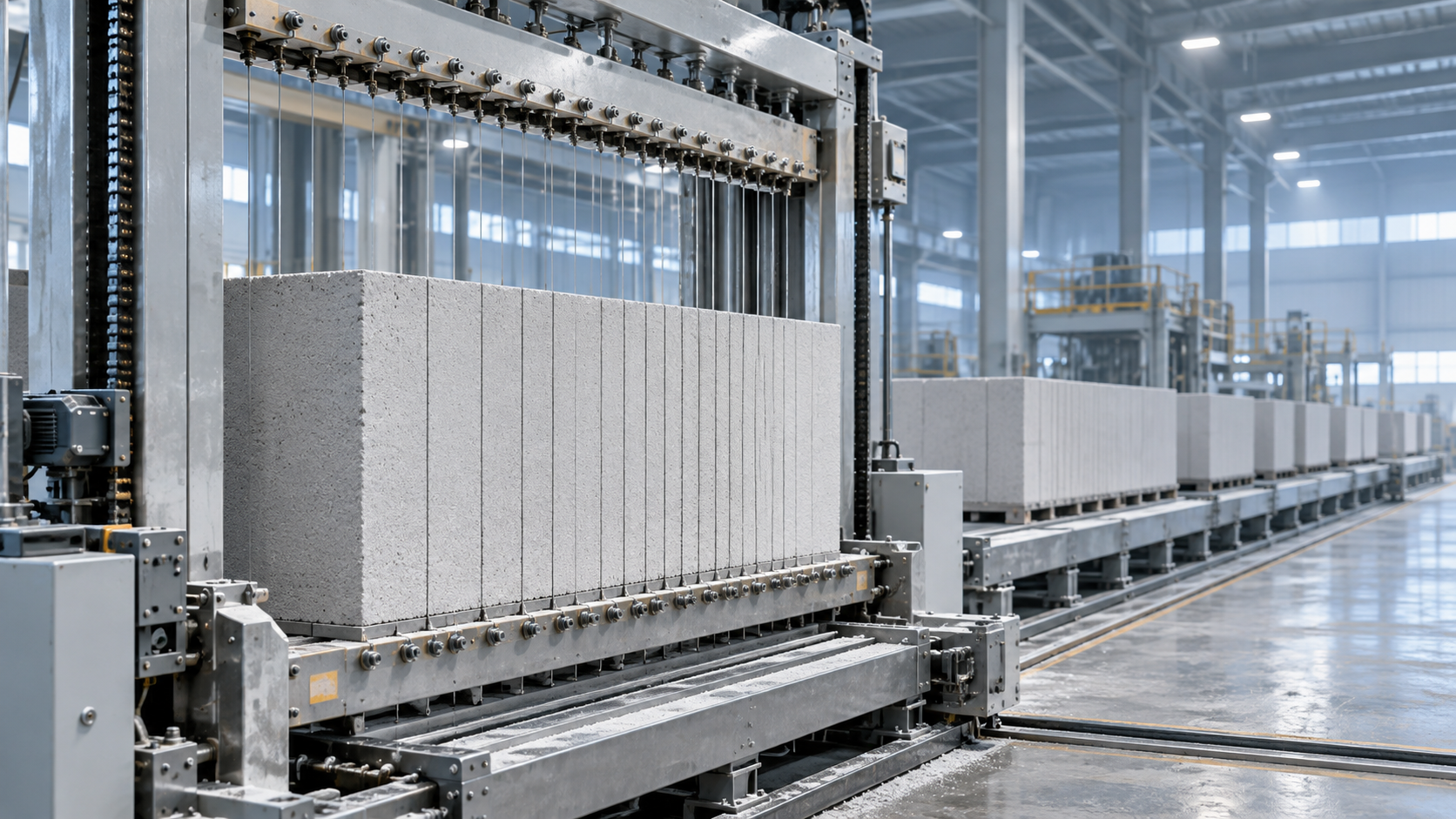
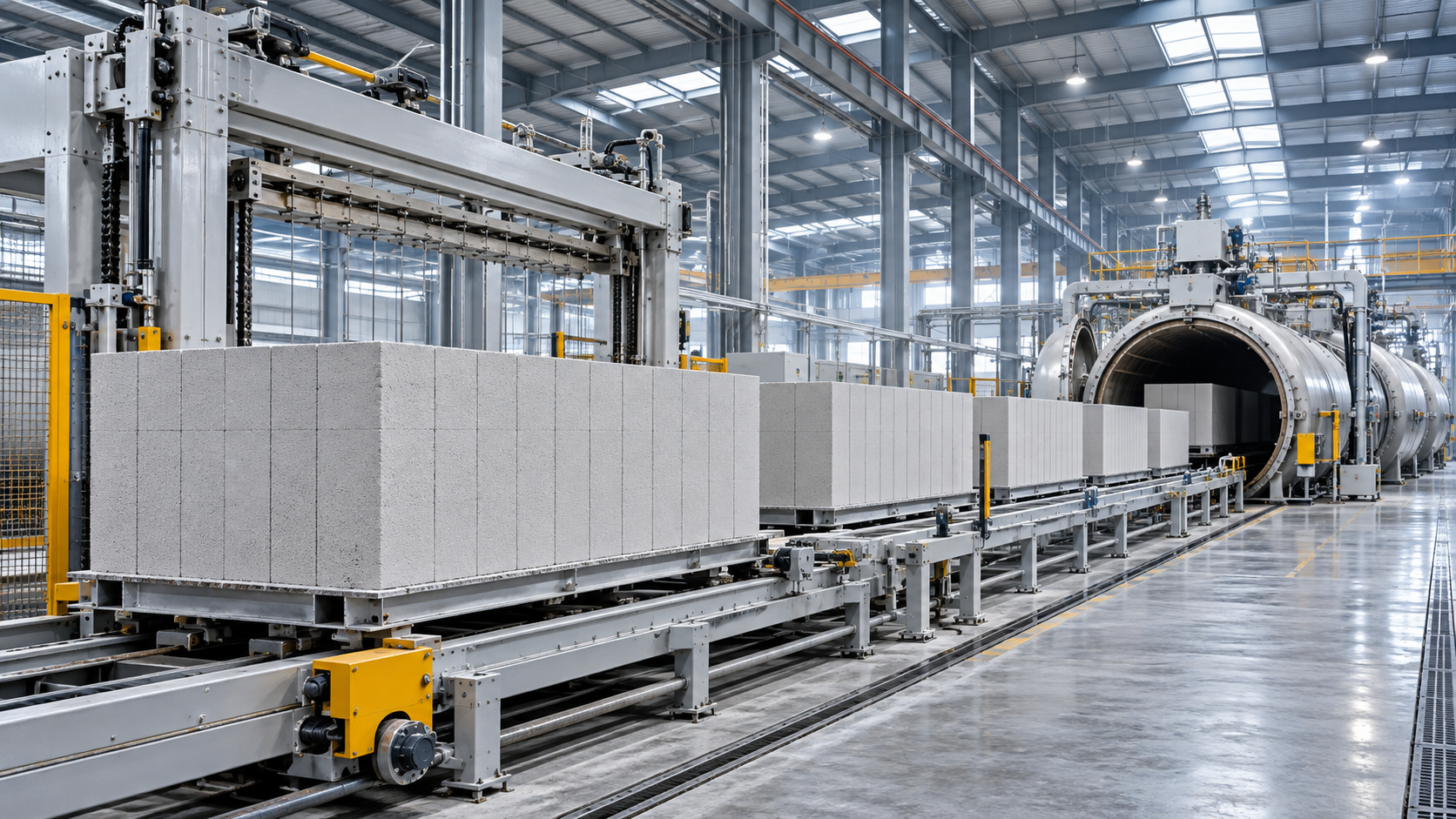
Buyers evaluating more than one building-materials process may also ask, “Can one cutting machine handle different AAC panel sizes?” Depending on its design, a cutting machine may accommodate a range of panel dimensions through adjustable settings or tooling, but the supported dimensions and changeover requirements must be confirmed for the specific machine.
That answer does not establish concrete roof tile capacity. AAC cutting and roof tile forming involve different materials, processes and output measures. For either purchase, specify the intended product dimensions and ask for capacity at the relevant stage; do not transfer a production figure from one process to the other.
Measure output after installation
Once the line is operating, record scheduled hours, actual running hours, formed pieces and accepted pieces by tile profile. Note the duration and reason for each significant stop. These records reveal whether a shortfall comes from reduced speed, lost time or rejects—three problems that require different responses.
Compare results over representative production days rather than relying on a single shift. If the machine reaches its expected forming rate but acceptable output remains low, inspect defect and handling records before increasing speed. If output falls because carriers or curing space are unavailable, address that restriction first. The daily capacity figure becomes useful when it identifies the stage that can be improved, not merely the fastest number on a specification sheet.
Next:No more content
Recommend
 Nov 11, 2026
How Many Concrete Roof Tiles Can a Machine Produce per Day?
Can one cutting machine handle different AAC panel sizes? Explore the answer and learn how to calculate realistic daily concrete roof tile output.
- Nov 11, 2026
Can One Cutting Machine Handle Different AAC Panel Sizes?
How do I choose the right capacity for an AAC slurry mixer? Explore sizing factors and learn how mixer capacity supports flexible AAC panel production.
- Nov 10, 2026
How Do Semi-Automatic and Fully Automatic AAC Lines Compare?
How does a semi-automatic AAC line compare with a fully automatic one? Explore costs, capacity, labor and maintenance to choose the right solution for your plant.