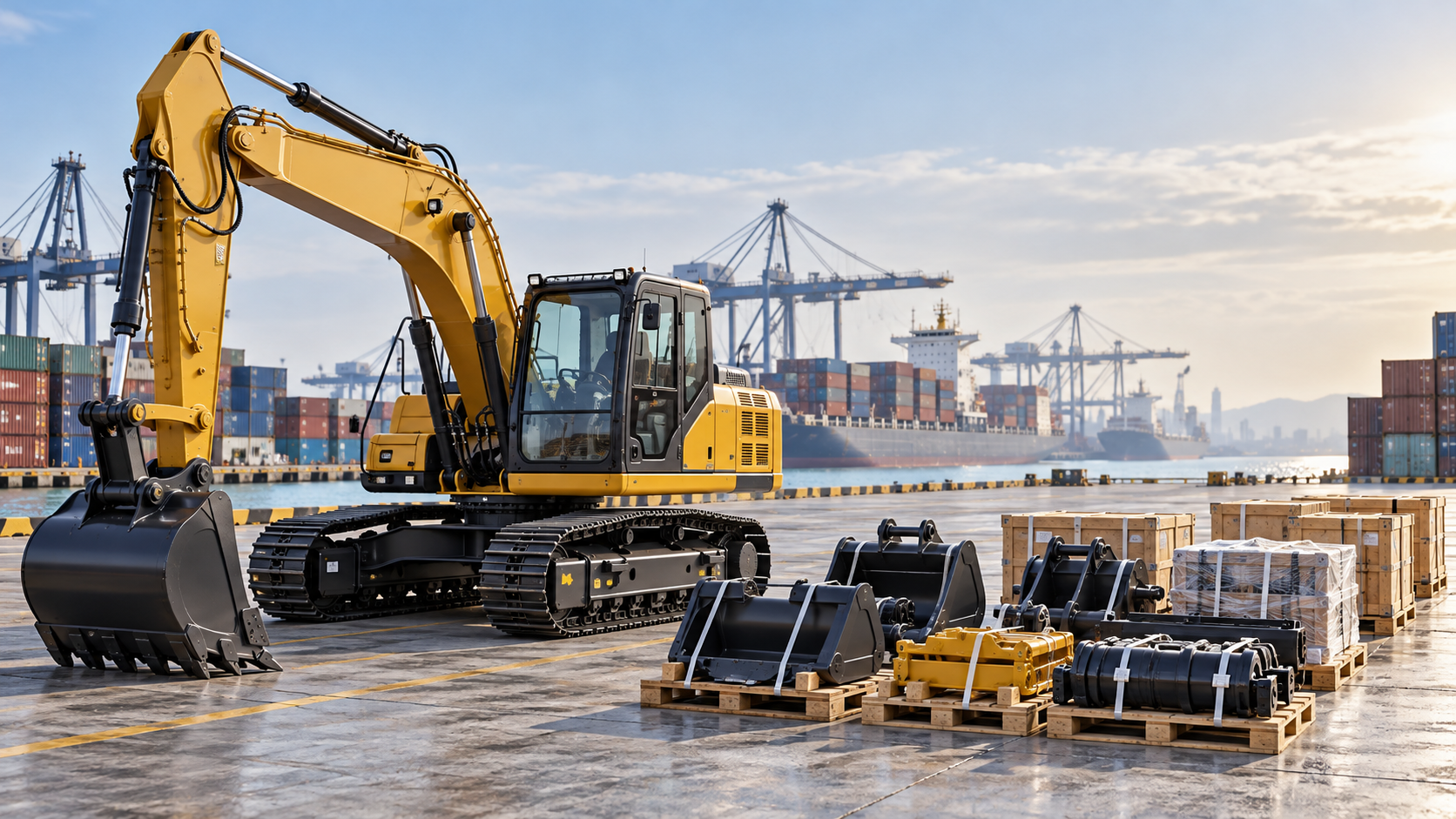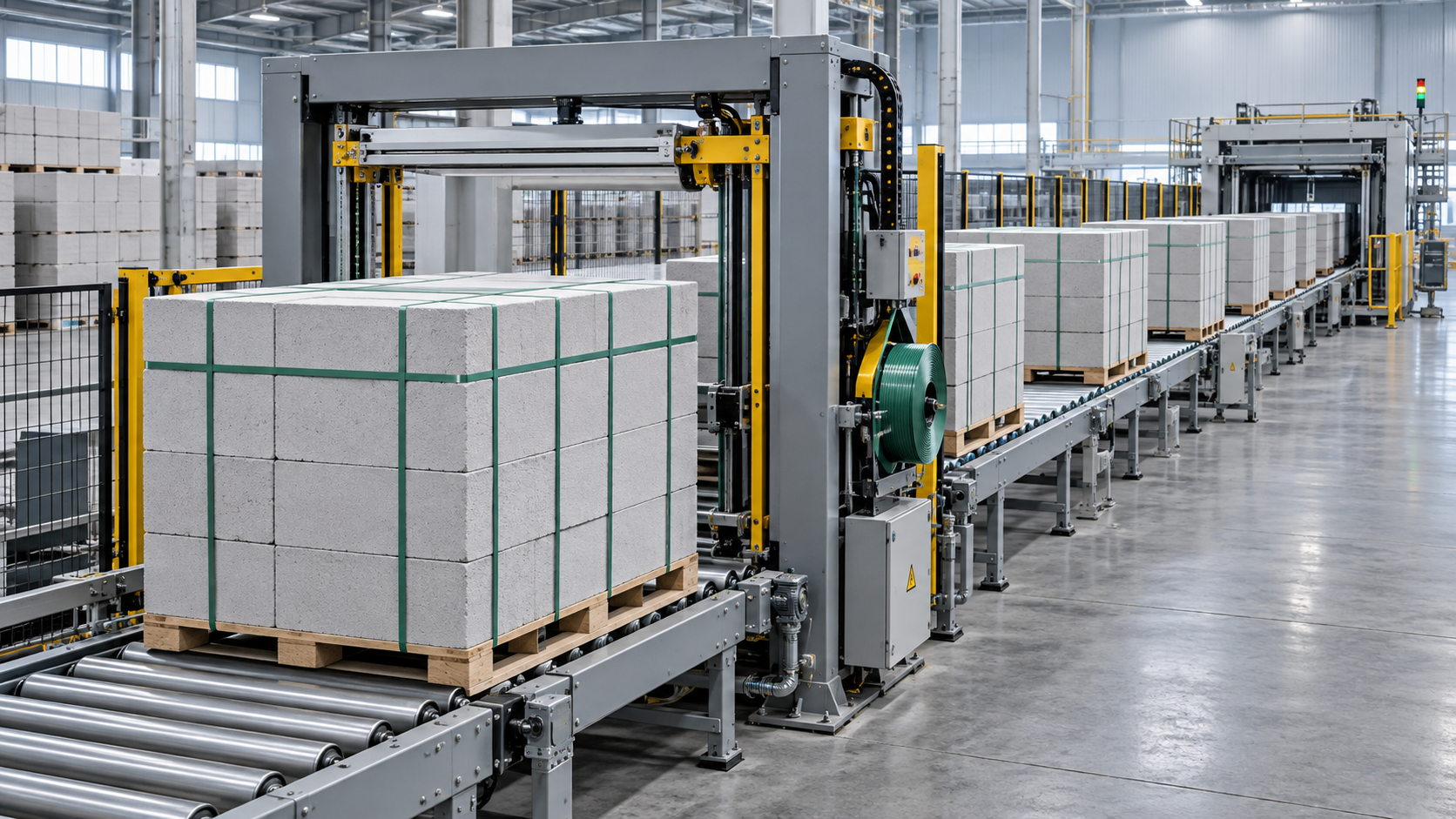
What Are the Import Requirements for Construction Machinery?
Importing construction machinery requires more than booking freight and paying customs duty. The equipment must be correctly classified and declared, supported by consistent commercial documents, and shown to meet any applicable safety, environmental and import-control requirements in the destination market. Those requirements depend on the machinery, its condition, country of origin and intended use.
A block machine, a concrete batching plant and a diesel-powered excavator do not necessarily face the same controls. A complete production line can create an additional problem: it may arrive as multiple shipments, each containing components with different customs and compliance implications. The most effective time to resolve these questions is before the purchase contract and shipping arrangements are finalized.
Start with the destination and the exact equipment
Building machinery import requirements are determined by the importing jurisdiction, not simply by where the manufacturer is located. Even within one country, separate authorities may oversee customs clearance, workplace safety, emissions, electrical equipment, road use or environmental controls.
Before requesting a freight quotation or duty estimate, establish a clear description of what will be imported. A useful equipment specification includes:
- The machine’s function, model, manufacturer and whether it is new, used or refurbished.
- Its principal components and whether it is a standalone machine or part of a production line.
- Power source, electrical ratings, motor capacity and, where relevant, engine details.
- Dimensions, weight, shipping configuration and any separately packed accessories or spare parts.
- Intended destination, installation site and whether the equipment will operate on public roads.
These details are not merely descriptive. An electrically powered stationary block machine raises different questions from a mobile machine with a combustion engine. A batching plant may include silos, conveyors, control cabinets, dust collectors and weighing equipment, each of which needs to be identified in the compliance and shipping assessment.
Check requirements against official customs and regulatory guidance for the destination, and involve a customs broker or qualified local adviser where classification or product compliance is uncertain. A supplier can provide technical evidence, but it cannot determine every obligation that applies to the importer or installation site.
Customs classification and origin affect the landed cost
The Harmonized System (HS) provides the international framework for classifying traded goods, but the full tariff code and duty treatment are determined under the destination’s tariff schedule. The appropriate classification depends on what the goods are and how the applicable legal rules describe them—not on the product name used in a quotation.
A machine sold as a “production line” should not automatically be assumed to enter under a single code. Customs treatment can depend on the condition of the goods at import, whether components are presented together, their function and the applicable classification rules. Separately shipped spare parts, control systems or auxiliary equipment may require separate consideration. A broker can assess the equipment list and, where available, advise whether an advance classification ruling would be useful.
Country of origin is another distinct question. The country from which goods are shipped is not necessarily their customs origin, and a manufacturer’s location alone does not establish eligibility for a preferential duty rate. If a trade agreement is relevant, the goods must meet its origin rules and the importer must hold the required supporting evidence. Preferential treatment should not be included in a budget until those conditions have been established.
Customs value also requires attention. Depending on the destination’s valuation rules and transaction details, amounts paid for the machinery and certain related costs can affect the declared value. Installation services, freight, insurance, royalties or separately supplied components should be identified clearly in the contract and invoices rather than assumed to be included or excluded in a particular way.
Prepare documents that describe the same transaction
Customs documentation must match the actual goods, shipment and commercial arrangements. The exact documents vary by destination and transport mode, but a machinery shipment commonly involves:
- Commercial invoice: identifies the seller and buyer, goods, quantities, price, currency and agreed delivery terms.
- Packing list: identifies packages, contents, dimensions and weights, allowing crates to be matched to the invoice and transport documents.
- Transport document: such as a bill of lading or air waybill, depending on the mode of transport.
- Customs declaration and supporting records: including tariff classification, value and origin information required locally.
- Permits or conformity documents: where specific rules apply to the equipment, its engine, components or intended use.
A certificate of origin may be requested for customs, trade-agreement or commercial purposes, but its form and evidentiary value depend on the applicable rules. Similarly, an insurance certificate is relevant when insurance is arranged and evidence is required under the contract or financing terms; it is not a substitute for a customs declaration.
For a multi-container plant, use a consistent equipment list across the purchase order, packing lists and invoices. Identify which crate contains the control cabinet, motors, molds, conveyors and other major items. If a component is missing, shipped later or supplied free of charge, its documentation and declared value still need to be handled correctly. A zero purchase price does not automatically mean that an item has no customs value.
Retain technical descriptions, payment records and supplier correspondence supporting the declaration. Customs authorities can request further information or conduct a post-clearance review, so the supporting records should explain how the declared classification, origin and value were determined.
Import clearance is not the same as permission to operate
Customs release confirms that goods have been processed for entry; it does not by itself establish that the machinery meets all product-safety or workplace requirements. Depending on the destination and equipment, separate rules may address guarding, emergency stops, electrical protection, lifting components, control-system safety, noise, emissions and instructions for use.
Evidence should relate to the actual machine and configuration being purchased. A general factory quality-management certificate does not demonstrate that a particular block machine or batching plant complies with destination-market product rules. Ask for the applicable declarations, test reports, technical documentation and operating instructions, and check that the model numbers and ratings correspond to the order.
In the European Union, machinery placed on the market is subject to applicable EU product legislation. CE marking and an EU declaration of conformity are relevant where the applicable legislation requires them; they are not universal import certificates for every product. The applicable legal framework depends on the equipment and when it is placed on the market, so the responsible party should check current EU and national requirements for the specific machine. Other destinations use different conformity systems.
Language matters as well. Safety labels, operating instructions and installation information may need to be supplied in a language required by the destination. Confirm this before production: replacing labels is easier than reconstructing missing technical instructions after the equipment has arrived.
For powered mobile equipment, engine-emission requirements can be separate from general machinery safety rules. A compliant engine for one market is not automatically acceptable in another. Obtain the engine manufacturer, model and emissions-related documentation early enough to establish whether the equipment can legally be imported and used.
Check used machinery more carefully
Used and refurbished equipment requires the same basic customs information as new machinery, but its condition and history can introduce additional controls. Some destinations restrict used equipment or impose age, inspection, environmental or other conditions on particular categories. Rules can differ for a complete machine, a replacement part and equipment imported for repair or re-export.
Request serial numbers, year of manufacture, operating history where available, photographs and a clear description of refurbishment. Confirm whether original safety devices remain in place and whether modifications have changed the machine’s electrical or mechanical configuration. A refurbishment invoice alone does not establish compliance with current requirements or prove that the equipment is safe to operate.
Cleanliness can also affect clearance. Soil, plant material and other contamination on tracks, tires or machinery can trigger inspection, cleaning or quarantine requirements in jurisdictions with biosecurity controls. Wooden crates, pallets and other wood packaging may be subject to ISPM 15 requirements where adopted. Confirm accepted treatment and marking rules for the destination and transit route before packing.
Plan for installation, utilities and local approvals
A production line can clear customs yet remain unusable if it does not match the site. Before the order is confirmed, compare the equipment’s voltage, frequency, phase, power demand and control-system requirements with the local supply. Check compressed-air, water, drainage and foundation requirements as applicable. Electrical adaptation after arrival can affect cost, commissioning and the validity of conformity documentation.
Installation may also require approvals distinct from the import process. Silos, pressure equipment, cranes, lifting devices, dust-control systems or fixed electrical installations can be subject to local inspection or permitting, depending on their specifications and location. A concrete batching plant may also require site-specific environmental permissions related to dust, noise, wastewater or land use. These are not universal requirements for every shipment; they must be assessed against the proposed site and equipment.
Determine who is responsible for installation, commissioning and the handover of safety documentation. If the plant combines machines from different suppliers, clarify who will assess the assembled system, including interfaces, interlocks and emergency-stop functions. Compliance evidence for individual components does not automatically resolve responsibility for the complete installation.
Assign costs and responsibilities before shipment
The equipment price is only one part of landed cost. The budget should account for international freight, cargo insurance, unloading, customs brokerage, applicable duty and import taxes, port or terminal charges, inland transport and any inspection or storage charges. Oversized machinery can also require special handling, route surveys, escorts or permits for the journey from the port to the site.
The agreed Incoterms® rule helps allocate transport-related obligations, costs and risk between seller and buyer, but it does not replace a detailed contract or determine every regulatory responsibility. In particular, identify the party acting as importer of record, the party preparing the customs entry and the party responsible for duty, tax and permits. The ability of a foreign seller to act as importer depends on local law and the transaction structure.
For a large plant shipped in stages, agree how partial deliveries will be invoiced and declared, which party tracks missing packages, and what happens if customs holds one consignment. A delay to a small control component can prevent commissioning even when the heavier equipment has arrived.
The purchase decision is ready for shipment when the equipment description, customs treatment, compliance evidence and site requirements are aligned. Obtain written confirmation of unresolved points from the relevant authority or qualified adviser before dispatch, and make the supplier’s obligation to provide accurate documents part of the contract. That preparation reduces the risk of discovering after arrival that a machine can be unloaded but cannot be cleared, installed or legally operated.
Next:No more content
Recommend
 Nov 09, 2026
What Are the Import Requirements for Construction Machinery?
Understand building machinery import requirements, from customs documents and duties to safety compliance and installation, before you ship.
- Nov 09, 2026
How Accurate Is an AAC Batching System?
Compare AAC sand grinding equipment cost and learn what affects batching accuracy, from slurry control to calibration, before investing in your production line.
- Nov 08, 2026
How Much Does AAC Block Packaging Equipment Cost?
AAC batching system accuracy can affect downstream packaging. Explore AAC block packaging equipment costs, key price factors, and tips for comparing quotes.