How to Evaluate Reviews of Hongfa Quartz Stone Lines
Choosing a quartz stone production line requires more than comparing star ratings. Reviews can reveal valuable insights into equipment performance, product consistency, technical support, and long-term operating costs—but only when you know how to assess their credibility. If you are researching Hongfa machinery or comparing Shandong Hongfa Scientific Industrial & Trading Co., Ltd. AAC plant price information alongside other equipment investments, look beyond headline claims. This guide explains how to evaluate review sources, identify relevant production experience, and ask the right questions before making a purchasing decision.
Start with the line behind the review
A review of a quartz stone line is useful only if you understand what the reviewer actually purchased. Equipment sold under the same manufacturer’s name can differ in production capacity, automation, slab dimensions, configuration, and the division of work between supplied machinery and local equipment. A buyer discussing a single machine may not be describing the performance of a complete line.
Look for details about the production process: mixing, distribution, forming, curing, calibration, and polishing, where applicable. Did the supplier provide the whole system or only selected sections? Was the customer making standard slabs, or experimenting with more demanding colors and patterns? Those distinctions matter because a problem attributed to the line may originate in an upstream material preparation step, a downstream finishing process, or the way the equipment was integrated.
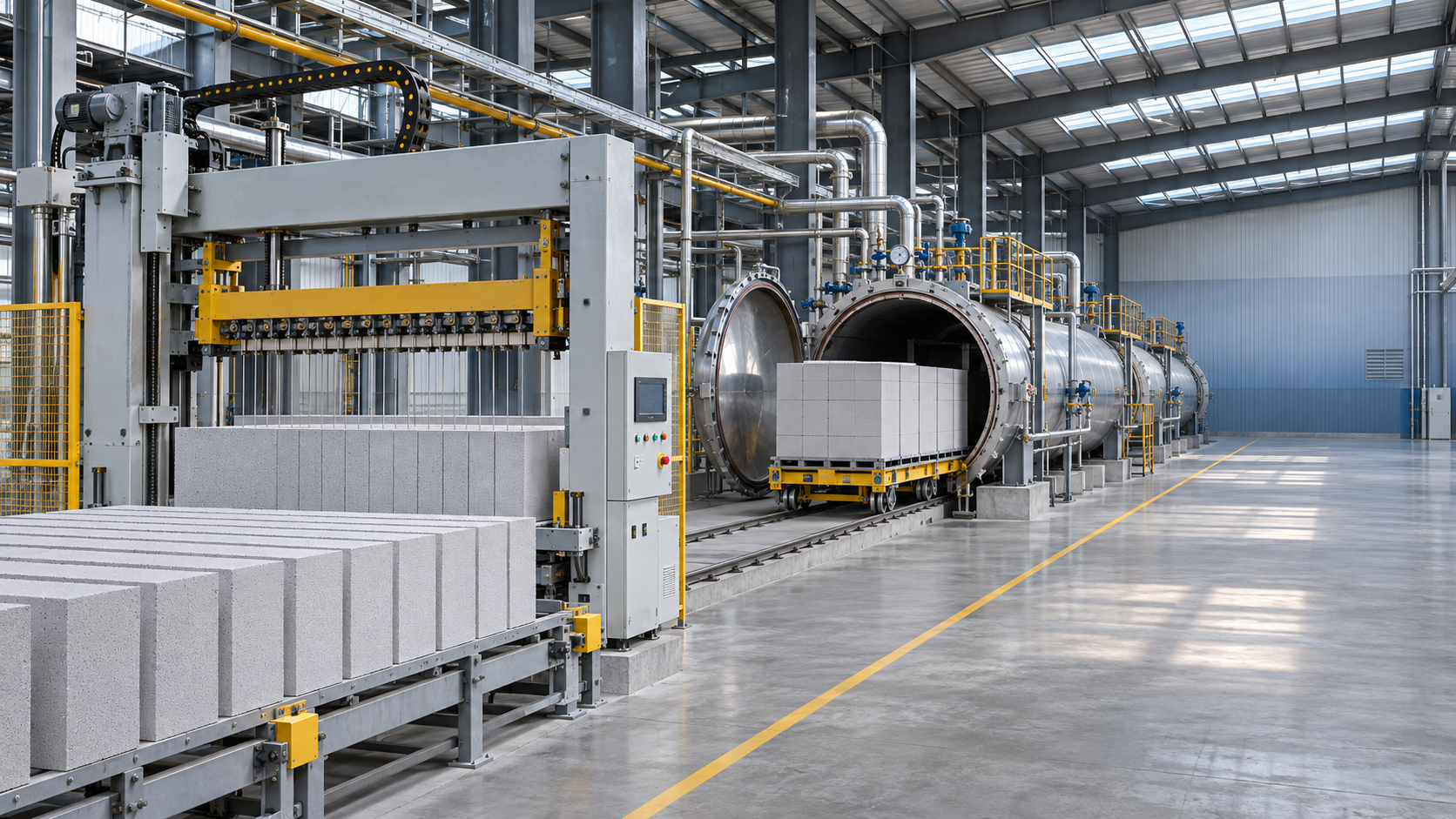
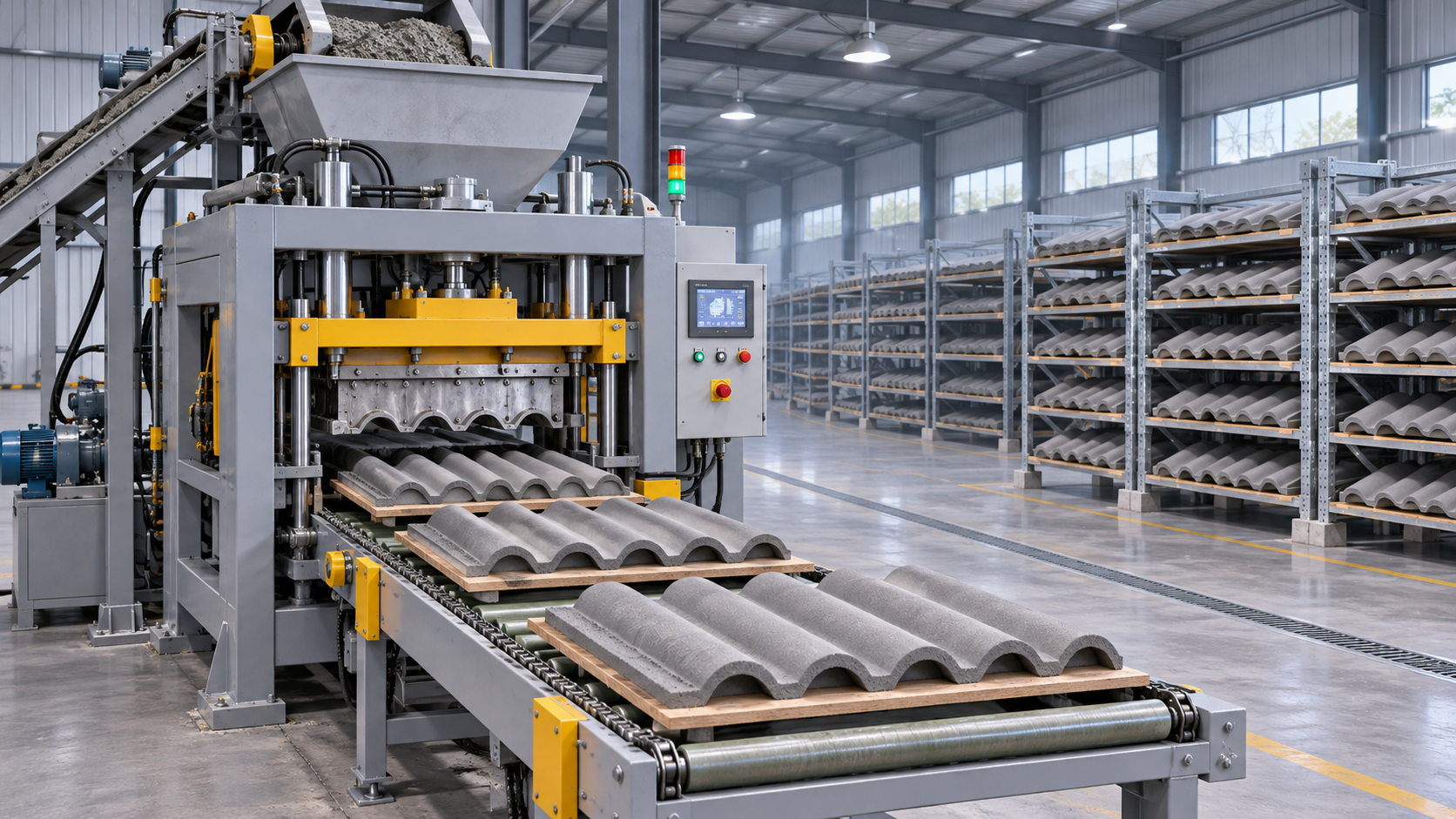
Shandong Hongfa Scientific Industrial & Trading Co., Ltd. lists quartz stone machinery alongside other building-materials equipment, including AAC production lines and block machines. That breadth makes it especially important to confirm the product in any review. A favorable comment about a concrete block machine may say something about the supplier relationship, but it is not direct evidence that a quartz slab line will meet your finish or throughput requirements.
Separate a credible account from a polished testimonial
Specificity is usually more valuable than enthusiasm. “Good machine, fast delivery” tells you little about production. A more informative account identifies the equipment configuration, approximate period of operation, commissioning experience, and the issue the buyer was trying to solve. Even a negative review becomes more useful when it explains what failed, when it failed, and how the parties responded.
Check where the review appeared and whether the author’s connection to the equipment can be established. A supplier-provided reference may be genuine and still be selected because it is favorable. A marketplace rating may be independent of the sales presentation but offer almost no technical context. A complaint posted anonymously may point to a real concern, yet leave out the contract scope or maintenance history. Treat each as a lead, not a verdict.
If the supplier offers a customer reference, ask permission to speak with someone responsible for operation or maintenance, not only purchasing. Ask what took longer than expected, which spare parts they now keep on site, and what they would specify differently. If a visit or direct conversation is not possible, request a documented reference with enough detail to assess whether the project resembles yours. A refusal to share a customer’s confidential information is not, by itself, evidence of a problem.
Read production claims in the context of actual operation
Capacity is one of the easiest figures to misunderstand. A quoted output may describe a nominal machine capability, a particular slab size, or operation under specified conditions. A review reporting lower output may reflect frequent color changes, curing constraints, staffing, raw-material variation, or downstream finishing capacity. It may also reveal that the original capacity claim was poorly defined.
When comparing reviews with a quotation, ask for the production basis: slab dimensions and thickness, working hours, product mix, assumed cycle, and whether the stated figure is for a component or the complete line. Clarify whether changeovers, maintenance, and rejected material are included. A line can have a fast forming stage and still be constrained by curing or polishing. The useful question is not simply “How fast is it?” but “How much acceptable product can the complete configuration deliver under our planned conditions?”
Product consistency deserves the same care. Comments about pinholes, uneven distribution, surface variation, thickness, or breakage are worth investigating, but they do not automatically identify the cause. Aggregate grading, resin selection, mixing, operating settings, curing, and finishing can all affect the result. Ask whether the reviewer ran the supplier’s recommended process, what materials were used, and whether the issue persisted after adjustments. Conversely, a claim of excellent slab quality should ideally be supported by samples and inspection criteria, not only a photograph.
A sample is evidence, but not the whole acceptance test
An attractive demonstration slab can show what is possible. It does not establish repeatability across shifts, colors, or raw-material batches. Before relying on it, agree on what will be checked: dimensions, visual appearance, finish, and any other characteristics relevant to the intended product. Specify the inspection method, sample quantity, operating conditions, and who witnesses the test. Any product-standard requirements should be checked against the destination market and the actual application rather than assumed from a review.
Give after-sales comments the right weight
For an industrial line, service quality often becomes visible after the initial sale. A review written immediately after shipment cannot tell you much about troubleshooting, component availability, or support during a difficult restart. Reviews written after commissioning or sustained operation are generally more relevant to those questions, provided their timing and context are clear.
Pay attention to the substance of the complaint or praise. Did the supplier diagnose a fault remotely, provide drawings, arrange replacement parts, or send a technician? Was the delay caused by the supplier, customs, travel arrangements, or a locally sourced component? These details change the meaning of “support was slow.” A good response to a difficult problem can be more revealing than a review that reports no problems at all.
Translate what you learn into contract questions. Confirm the support language, contact method, expected response arrangements, warranty coverage and exclusions, and the process for obtaining parts. For commissioning, establish who supplies labor, utilities, lifting equipment, materials, and travel-related services. Ask for a recommended initial spares list with part descriptions and prices, and clarify whether key electrical and control components are available locally or only through the supplier.
Do not let a low equipment price hide an incomplete scope
Reviews often describe a line as “good value” or “expensive” without explaining what the price covered. That is a weak basis for comparing proposals. One quotation may include polishing, installation supervision, molds, controls, or training; another may exclude some or all of them. Freight, foundations, utilities, dust management, consumables, and local compliance work can also sit outside the machine price.
The same distinction applies if you encounter a search result for a “Ltd. AAC plant price” while researching Hongfa. AAC plants and quartz stone lines serve different manufacturing processes. An AAC quotation may help you understand how a supplier presents commercial terms, but it cannot be used as a meaningful price benchmark for a quartz line. Compare equipment on a like-for-like scope, not by brand name alone.
Ask each bidder for an itemized equipment list and a separate list of exclusions. Then map the complete production flow and mark who is responsible for each interface. If a review says the buyer incurred unexpected costs, find out whether those costs arose from an omission in the quote, a change in project requirements, or an assumption the buyer failed to confirm. The distinction is more useful than the complaint alone.
Verify company credentials without confusing them with line performance
Hongfa states that it began operations in 1990 and manufactures several categories of construction-materials machinery. A long operating history and a broad manufacturing base can be useful context, but neither proves that a particular configuration will achieve your acceptance targets. The relevant evidence is the current technical proposal, the manufacturing and inspection arrangements for the order, and references for comparable installations.
The company’s background materials also refer to ISO 9001:2008. That is a historical edition of the quality-management standard, not proof of a current certificate. If certification matters to your procurement process, request the current certificate, scope, validity dates, and issuing body, then verify them through the appropriate channels. Treat awards and patent claims similarly: establish what they cover and whether they are relevant to the equipment being evaluated.
Turn review findings into a practical due-diligence plan
By the time you request a final offer, you should have a short list of issues that reviews could not resolve. Put those issues to the supplier in writing. For example, if several accounts mention inconsistent output, request the capacity assumptions and proposed acceptance procedure. If support receives mixed feedback, ask for the escalation path and parts-supply arrangements. If a reviewer praises finish quality, ask what finishing equipment and operating conditions were involved.
Keep the distinction between a question and a contractual obligation. A reassuring email is useful, but production targets, test conditions, delivery scope, documentation, and remedies should be reflected in the agreement where appropriate. Have technical, commercial, and legal personnel review those terms against the project’s location and requirements.
The most useful review is not necessarily the highest-rated one. It is the one that helps you ask a better question about a line configured like yours—and leads to an answer you can verify before committing to the purchase.
Next:No more content
Recommend
 Nov 19, 2026
How to Evaluate Reviews of Hongfa Quartz Stone Lines
Comparing Ltd. AAC plant price results with quartz line reviews? Learn how to verify Hongfa equipment claims, service quality, and costs before you invest.
- Nov 19, 2026
What Affects the Price of a Hongfa AAC Plant?
Shandong Hongfa Scientific Industrial & Trading Co. AAC plant pricing depends on capacity, automation, utilities, and installation. Learn how to compare project costs.
- Nov 18, 2026
How Much Does a Concrete Roof Tile Machine Cost?
Explore concrete roof tile machine costs, compare equipment, curing and installation expenses, and assess support needs, including Ltd. AAC spare parts.