How to Evaluate Shandong Hongfa Quartz Line Reviews
Shandong Hongfa quartz line reviews are most useful when they describe a specific production line, the conditions under which it operates, and what happened after installation. A short comment calling a machine “reliable” or “high quality” tells you little about whether it will produce your target slabs consistently, fit your factory, or receive timely support when a component fails.
Use reviews to identify questions and possible risks, then compare those findings with the equipment configuration, acceptance terms, and service commitments in your proposed contract. A favorable review of a different machine or a different production setup is a starting point for investigation, not evidence that your own line will perform the same way.
Start by identifying what the reviewer actually bought
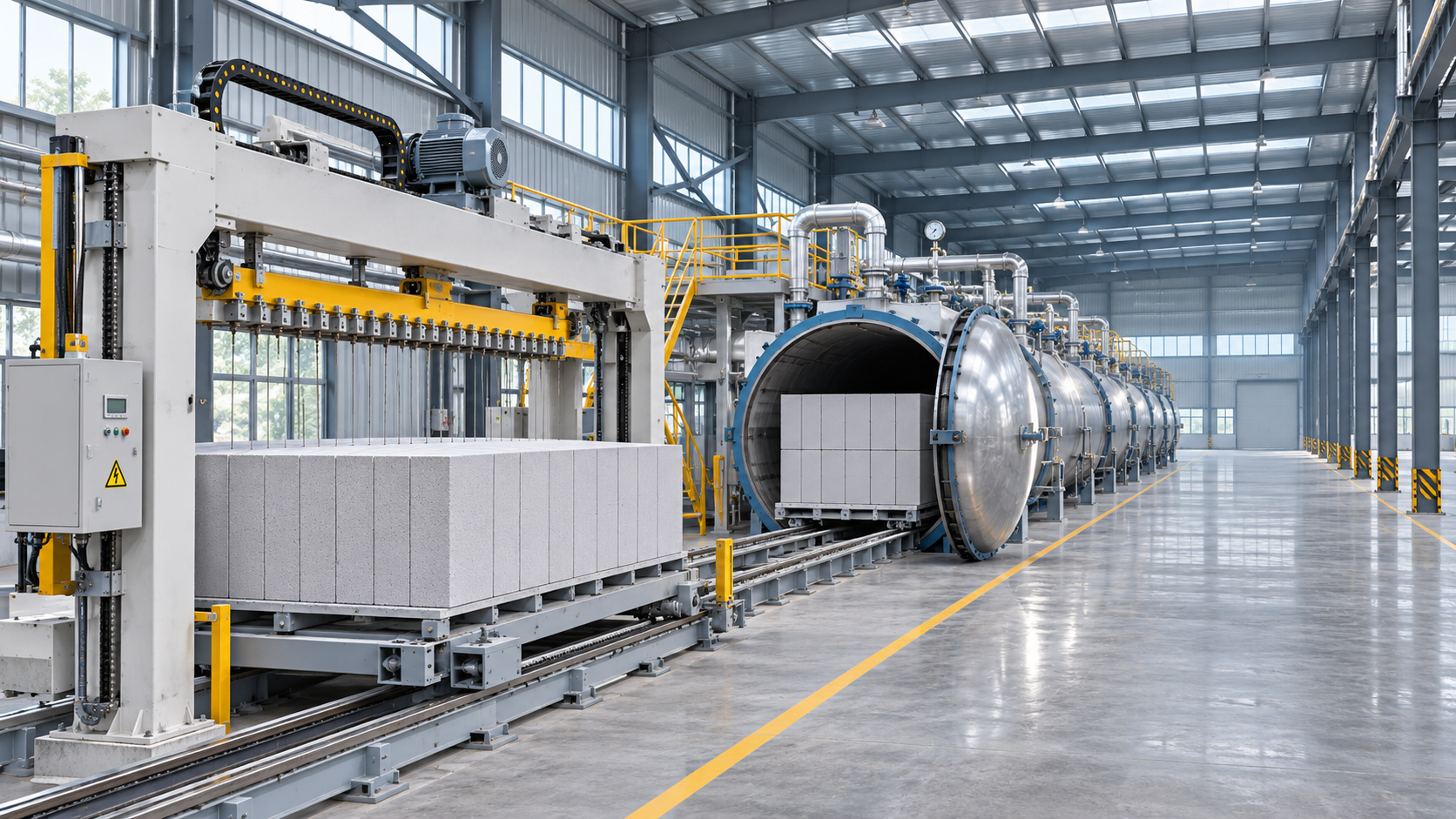
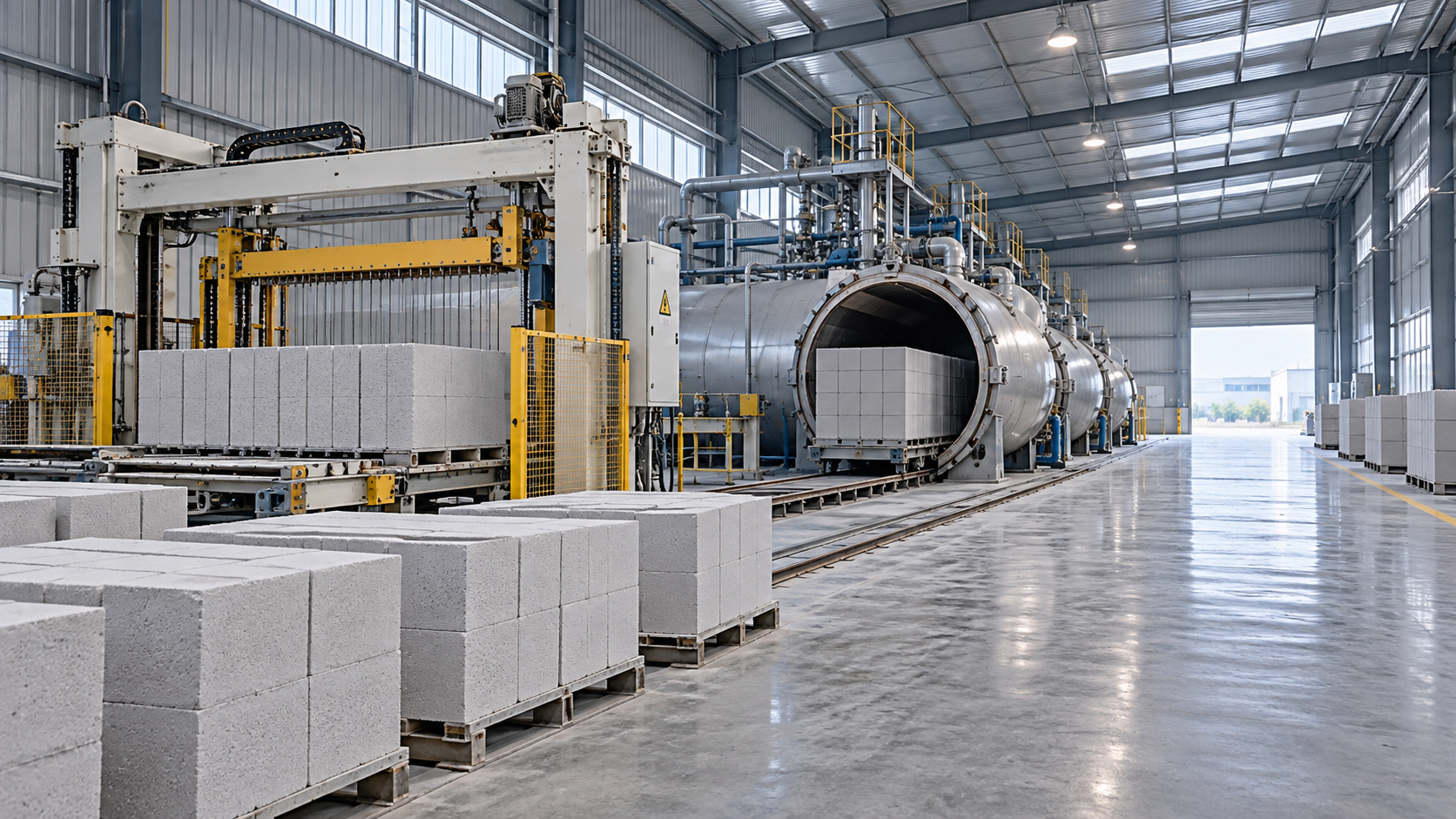
Shandong Hongfa Scientific Industrial & Trading Co., Ltd. produces several types of building materials machinery, including quartz stone production lines, aerated concrete block production lines, block machines, and concrete batching plants. Feedback about one product category should not automatically be applied to another. The production processes, equipment, maintenance requirements, and commissioning work can differ substantially.
This distinction matters when search results mix quartz equipment with unrelated inquiries such as “Ltd. AAC plant price.” AAC refers to autoclaved aerated concrete, a different product from engineered quartz slabs. An AAC plant price or review does not establish the cost, configuration, or operating performance of a quartz line.
Even within the quartz category, ask what the review covers. A buyer may be discussing a complete line, a forming press, a polishing machine, or a replacement component. A positive account of the initial sales process is also different from an assessment of a line that has been producing slabs for some time.
Before giving a review much weight, look for the equipment model or configuration, the approximate period of use, the type of slabs produced, and whether the comments concern installation, production, or after-sales service. A review without these details can still suggest a question, but it is a weak basis for a purchasing decision.
Judge the source as well as the rating
A useful review gives enough context to explain both the result and the conditions behind it. For example, a statement that a line meets its output target is more meaningful if it also identifies the slab size, product mix, operating schedule, and whether the figure refers to acceptable finished slabs or material coming out of one machine.
Consider where the feedback comes from and whether the reviewer has a clear connection to the equipment. A detailed account from an operator can reveal day-to-day issues that a purchasing manager may not see. A manager, meanwhile, may be better placed to discuss project delivery, costs, and service arrangements. Supplier-provided references can also be useful, especially when you can speak directly with the customer and ask your own questions.
Pay attention to dates and configuration changes. A review of an older installation may reveal how the supplier handled maintenance over time, but components, controls, and service arrangements can change. Ask which details still apply to the line being quoted.
Extremely positive and negative comments both need context. A complaint about delayed startup, for example, might relate to equipment delivery, incomplete site utilities, an installation problem, or a disagreement over responsibilities. The practical question is what caused the delay and how it was resolved.
Look beyond stated capacity
Capacity is easy to compare on a quotation and harder to interpret in operation. A quartz line may include material preparation and mixing, slab forming, curing, calibration, polishing, and handling equipment. The practical output of the whole line depends on how those stages work together, as well as on staffing, material supply, maintenance, and the products being made.
When a review mentions output, look for the basis of the claim. Does it describe a single product under steady operating conditions, or a range of colors, thicknesses, and finishes? Does it count saleable slabs after inspection? A factory producing several designs in small batches may lose more time to changeovers than one making a consistent product mix. Neither situation makes a review wrong, but it changes how relevant the reported output is to your project.
Consistency deserves at least as much attention as peak production. Comments about uneven thickness, surface defects, color variation, or repeated rework can point to process-control challenges. The machinery is only part of the picture: raw materials, formulation, operator practices, and downstream processing also affect the finished slab. Ask what conditions accompanied the issue before attributing it to a particular machine.
If possible, discuss performance using samples and acceptance criteria relevant to your planned products. Define how thickness, appearance, and other agreed characteristics will be checked, who will provide the materials, and how acceptable output will be counted. A capacity figure has greater purchasing value when both parties agree on the test conditions behind it.
Read installation feedback for the details that affect startup
A quartz line can arrive on site with substantial work still needed before saleable production begins. Reviews that explain installation and commissioning are therefore more valuable than comments that simply say delivery was smooth.
Look for descriptions of equipment positioning, electrical and utility connections, control-system setup, trial production, and operator training. Identify which work was performed by the supplier and which was the buyer’s responsibility. Site readiness can affect the schedule as much as the machinery itself, so a reported delay is useful only when the review explains what was missing or disputed.
For your own project, request a written division of responsibilities covering foundations, unloading, utilities, installation labor, consumables for trial runs, and any travel or accommodation costs for technicians. Ask what support is included if the initial trial does not meet the agreed acceptance conditions.
Training should cover more than starting and stopping the line. Operators and maintenance staff need to understand routine adjustments, cleaning, fault identification, safe shutdown, and the use of manuals and spare-parts lists. If a review praises training, find out who was trained, for how long, and whether the training continued through actual production trials.
Separate a maintenance complaint from a support failure
All production equipment requires maintenance. A review mentioning a worn component is not automatically a sign of poor machinery; the useful details are what failed, how long the line had operated, whether the part was a normal consumable, and how quickly the problem was diagnosed and resolved.
Service feedback becomes more actionable when it describes the communication process. Did the owner receive a clear diagnosis? Was remote assistance useful? If a technician was needed on site, how were timing and costs handled? Did the replacement part fit the installed equipment, and was it accompanied by instructions where necessary?
Before ordering, request a recommended spare-parts list that distinguishes routine consumables from critical components whose failure could stop production. Ask for part identification, ordering procedures, expected availability, and alternatives for commonly sourced items. For a factory far from the supplier’s service team, the availability of local electrical, mechanical, and control-system expertise may also influence the decision.
Warranty language deserves the same attention. Establish when the warranty starts, what it covers, which items are excluded, and how claims are handled. A warranty can reduce exposure to certain defects, but it does not replace a plan for routine maintenance, stocked parts, and production interruptions.
Compare the full quotation, not just the line price
A low equipment price may reflect a narrower scope rather than a lower cost for the same production capability. One quotation may include handling equipment, dust collection, installation, training, and a starter set of spares; another may leave those items to the buyer. Differences in automation, slab handling, and downstream finishing can also change both the initial investment and the labor needed to operate the line.
Ask each supplier to itemize the proposed equipment and identify what is excluded. Then compare the quotations against the same production requirements and site assumptions. Pay particular attention to interfaces between supplied equipment and any machinery you intend to purchase separately: dimensions, controls, material transfer, and responsibility for integration all affect the final result.
Operating costs should be considered alongside the purchase price. These can include raw materials, energy, labor, consumables, maintenance, rejected slabs, and downtime. Reviews may highlight recurring expenses, but the figures will depend on local conditions and the product being made. Use your own planned inputs and staffing assumptions when estimating the cost of production.
Turn review findings into questions for the supplier
After reading available feedback, prepare a short list of issues that could change your decision. Ask for answers specific to the proposed configuration, rather than general statements about the company’s experience or product range. Useful questions include:
- Which machines and handling systems are included, and where does the supplier’s scope end?
- What slab sizes, thicknesses, materials, and production conditions form the basis of the quoted capacity?
- How will finished-slab quality and line acceptance be assessed during commissioning?
- What site preparation, utilities, labor, and trial materials must the buyer provide?
- What training, spare parts, remote support, and on-site service are included in the offer?
- Can the supplier arrange a conversation with an operator using a comparable configuration and product mix?
When speaking with a reference, ask about the whole project: delivery, startup, routine production, maintenance, and any unresolved issues. A line producing a similar slab under similar operating conditions provides a more useful comparison than one selected only because its owner is satisfied.
Put the answers that affect price, performance, and responsibility into the quotation or contract. The strongest purchasing decision comes from aligning independent feedback with a clearly specified line, a practical acceptance process, and a service arrangement that fits the factory’s location and operating needs.
Next:No more content
Recommend
 Nov 13, 2026
How to Evaluate Shandong Hongfa Quartz Line Reviews
Ltd. AAC plant price searches can mix unrelated results. Learn how to evaluate Shandong Hongfa quartz line reviews, costs, performance, and support before you buy.
- Nov 13, 2026
How Much Does a Shandong Hongfa AAC Plant Cost?
Shandong Hongfa Scientific Industrial & Trading Co. AAC plant costs depend on capacity, equipment and delivery. Explore key budget factors before requesting a quote.
- Nov 10, 2026
Is a Semi-Automatic AAC Line Worth It for a Small Factory?
Is a semi-automatic AAC line worth it for a small factory? Explore costs, labor, energy needs, and ROI to make a confident investment decision.