Which Hongfa Hydraulic Brick Machine Specifications Should Buyers Check?
Choosing a hydraulic brick machine takes more than comparing purchase prices or advertised output. Buyers need specifications tied to their products, materials, and operating conditions.
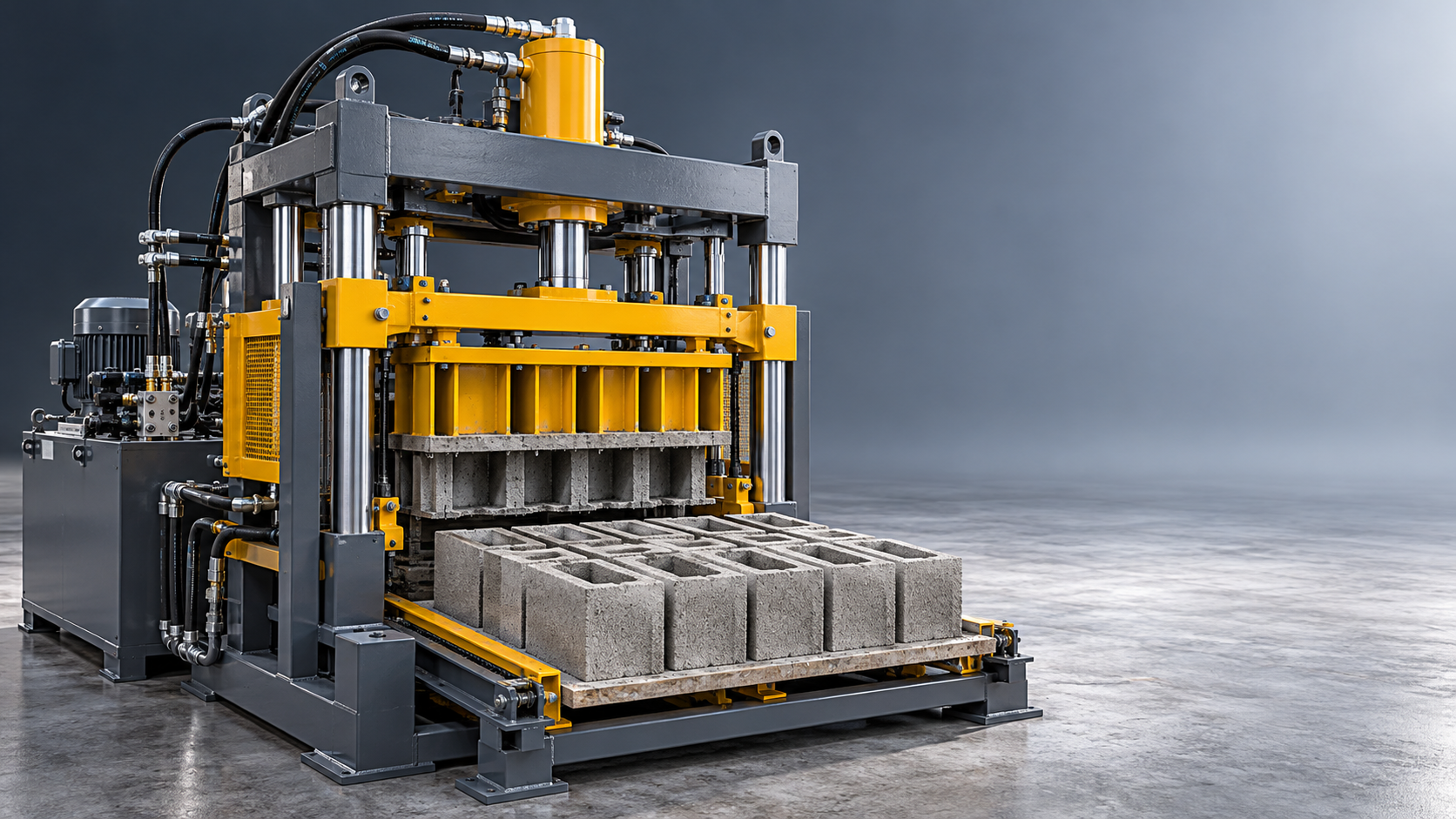
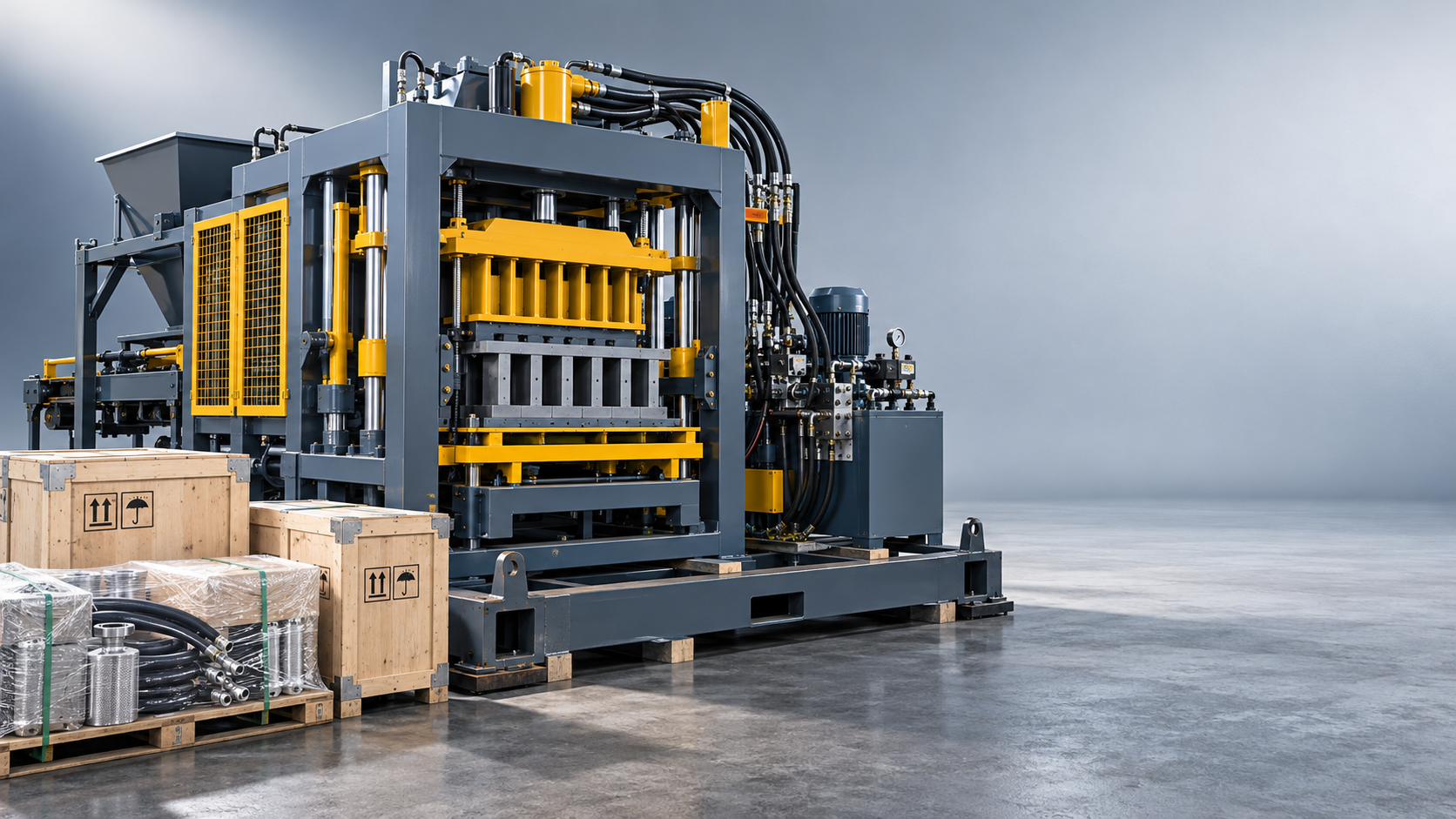
When evaluating Hongfa hydraulic brick making machine specifications, prioritize forming performance, realistic production capacity, mold compatibility, total power demand, and the equipment included in the quotation.
These factors determine whether a machine can consistently produce saleable products at an acceptable cost. This guide explains what to verify before making a purchase.
Start With Your Product Requirements, Then Compare Machines
The likely buyers—block producers, contractors, and investors establishing production plants—need to know whether a proposed configuration can meet their quality, volume, and budget targets.
Begin with a written product schedule covering dimensions, hollow or solid construction, required strength, appearance, and expected daily demand. Include any planned future product additions.
Clarify what “brick” means in your project. Concrete paving units, hollow blocks, and other masonry products can require different molds, mixtures, compaction settings, and handling arrangements.
Hongfa’s supplied business description covers several machinery categories, including block production equipment and aerated concrete systems. Confirm which process and machine model your quotation actually covers.
A hydraulic concrete block machine should not be assumed suitable for every brick material or manufacturing process. Ask the supplier to confirm compatibility in writing.
Use the following checklist to identify the specifications that deserve evidence before you compare prices. Numerical values should come from the current model documentation.
Does the Pressure Specification Explain Actual Forming Performance?
Hydraulic pressure is useful only when its meaning is clear. A pressure reading in megapascals describes fluid pressure; it does not directly state total pressing force.
Pressing force also depends on effective cylinder area and mechanical arrangement. Product compaction further depends on how that force acts across the loaded mold area.
Ask whether the quoted pressure is a maximum system rating or a normal production setting. Maximum pressure alone does not establish finished product quality.
For machines combining hydraulic action with vibration, request vibration frequency, adjustment range, and relevant amplitude or excitation specifications. These should suit the intended product and mixture.
Higher pressure is not automatically better. Excessive or unsuitable compaction settings can increase wear or disrupt production without delivering a useful improvement in tested properties.
The strongest evidence is a production trial showing consistent dimensions, density, and required performance using a representative mixture. Link the results to recorded machine settings.
How Much Saleable Output Can the Machine Deliver?
Advertised capacity often assumes uninterrupted operation, a specific mold, and favorable material conditions. Buyers should establish exactly which assumptions support the supplier’s quoted output.
Calculate theoretical hourly output by multiplying units per cycle by 3,600, then dividing by cycle time in seconds. This provides a comparison baseline only.
For illustration, a mold producing eight units every twenty seconds has a theoretical output of 1,440 units per hour. These are hypothetical figures, not Hongfa specifications.
Actual saleable production falls when stoppages and rejects occur. Apply expected operating availability and acceptable product yield to theoretical output when preparing your business case.
Ask whether cycle time includes material feeding, compaction, demolding, and pallet transfer. If any stages are excluded, establish how they affect the complete production cycle.
Confirm capacity separately for each planned product. Different unit sizes, mold cavity counts, face mixes, and filling behavior can change output on the same machine.
For investment planning, request a sustained production demonstration. Record accepted units, stoppages, staffing, and material consumption across a defined operating period rather than one cycle.
Will Your Raw Materials Produce the Required Quality?
A machine’s suitability depends partly on the mixture it processes. Aggregate grading, moisture, binder content, and material variability influence filling, compaction, demolding, and final performance.
Send the supplier information about locally available materials, including particle size distribution and moisture variation. Where feasible, arrange trials using representative samples before finalizing equipment selection.
Ask which aggregate sizes the proposed feeding system and molds can accommodate. Oversized particles or inconsistent grading may interfere with filling and damage product edges.
Confirm the batching and moisture control arrangements needed to maintain the trial results. Consistency becomes harder when operators must compensate manually for changing aggregate moisture.
Agree on the applicable product standard and test methods. Depending on the product, acceptance may involve strength, dimensions, absorption, density, or other specified properties.
Machine performance cannot compensate for inadequate curing. Include curing conditions and test age when discussing strength results, so comparisons reflect equivalent production and testing conditions.
Can the Mold and Pallet System Support Your Product Range?
Request approved product drawings showing dimensions, tolerances, cavities per mold, and any special profiles. A general statement that molds are interchangeable provides insufficient purchasing detail.
Check the usable forming area and supported product height range. Pallet dimensions alone do not prove that a proposed product layout will operate successfully.
Ask about mold materials, wear components, replacement availability, and maintenance requirements. Compare service life claims only when product type, materials, and operating conditions are defined.
Changeover time matters when orders require frequent product switches. Establish the tools, lifting equipment, adjustment steps, and trained personnel needed for a complete mold change.
Confirm pallet material, thickness, flatness requirements, load capacity, and expected replacement needs. Pallet condition affects vibration transfer, product support, and compatibility with downstream handling equipment.
Include spare molds and sufficient circulating pallets in the investment estimate. Pallet requirements depend on production rate, handling arrangements, and when products can be removed.
What Electrical and Hydraulic Infrastructure Will the Plant Need?
Distinguish the main machine’s installed power from the connected load of the complete line. Mixing, conveying, air systems, and handling equipment can add substantial demand.
Request an equipment load list showing motor ratings, supply voltage, frequency, starting arrangements, and any compressed air requirements. Have qualified personnel assess site electrical capacity.
Installed kilowatts do not equal continuous energy consumption. For operating cost estimates, seek measured energy use under stated production conditions and a clearly defined equipment boundary.
Energy per acceptable unit can support useful comparisons when product size, mixture, output, and included auxiliaries are equivalent. Unqualified electricity saving percentages provide limited evidence.
For the hydraulic system, check oil specifications, filtration, cooling arrangements, and permissible operating temperatures. These details become especially relevant in hot environments or extended shifts.
Ask how replacement filters, seals, pumps, and valves are identified and sourced. Component availability and maintenance access can influence downtime more than a small efficiency difference.
Where Could the Rest of the Line Limit Production?
A forming machine cannot sustain its rated output if batching, mixing, pallet supply, or product removal cannot keep pace. Assess the proposed line as one system.
Request a process layout identifying material storage, batching, mixing, conveying, forming, curing, and finished product handling. Specify which stages operate automatically and which require labor.
Automation labels vary between quotations. Ask who loads materials, changes molds, manages pallets, transfers fresh products, and stacks cured units during the proposed operating cycle.
Check mixer working capacity and mixing time against the machine’s material demand. Also confirm how interruptions in feeding or downstream handling are managed during production.
Review curing space, storage capacity, foundations, drainage, access routes, and lifting provisions. A compact machine footprint does not describe the land required for a functioning plant.
Request expected staffing by operating task and shift. This helps reveal whether projected productivity depends on labor or auxiliary equipment missing from the advertised configuration.
What Should the Supplier Demonstrate Before Acceptance?
A detailed specification sheet becomes more valuable when the purchase agreement defines how performance will be verified. Establish acceptance requirements before paying for the machine.
Identify the exact model, configuration, molds, raw materials, product drawings, and operating conditions for testing. Define responsibilities for providing materials, utilities, operators, and measuring equipment.
Separate immediate checks from later product tests. Dimensions and visible damage can be assessed promptly, while cured strength requires an agreed curing period and testing procedure.
Include sustained output, acceptable yield, and relevant quality measures in the acceptance record. Define how interruptions are counted and how any failed criteria will be addressed.
Confirm operator training, maintenance documentation, spare parts lists, commissioning responsibilities, and warranty exclusions. Ask for support arrangements that match your location and expected operating schedule.
The supplied company profile describes Hongfa’s manufacturing background and technical resources. Historical credentials provide context, but current model documentation and witnessed results should guide equipment acceptance.
Which Quotation Offers the Strongest Business Case?
Compare quotations against the same product schedule, production target, and supply boundary. A lower machine price may exclude equipment essential to achieving the quoted output.
Build the investment estimate around delivered equipment, molds, pallets, freight, installation, site preparation, utilities, training, and startup materials. Confirm responsibilities and exclusions for each item.
Estimate cost per saleable unit using realistic output, material consumption, labor, energy, maintenance, and rejects. Include curing and handling costs where they affect your operation.
Test the economics at lower utilization as well as the target production rate. Demand fluctuations and startup learning can materially change payback expectations and cash requirements.
The right Hongfa hydraulic brick making machine specifications are those demonstrated to meet your product requirements at sustainable output. Require measurable evidence before committing your investment.