

What Training Is Required Before Operating a Green Building Materials Line?
What Training Is Required Before Operating a Green Building Materials Line?
What training is needed before operating a green building material line? The short answer is: more than a basic lesson in pressing a start button. A modern line for concrete blocks, aerated concrete, quartz stone slabs, or batching materials combines moving machinery, electrical controls, raw-material variation, dust and slurry management, curing processes, and quality checkpoints. An operator who understands only one machine can still create a plant-wide problem.
The necessary training depends on the production route, the degree of automation, the material being processed, and local workplace rules. Still, most successful start-ups have one principle in common: operators are trained around the whole production flow, not only the station where they stand. They need to know what enters the line, what a normal process looks like, how defects appear downstream, and when to stop equipment rather than trying to “keep production moving.”
This matters especially in green building-material production. Energy-saving blocks, aerated concrete products, recycled-aggregate concrete, and engineered stone are often sold on consistency as much as environmental performance. Poor moisture control, inaccurate batching, improper curing, or a rushed restart after a jam can waste material, consume extra energy, and produce stock that cannot be released with confidence.
Training Is Different for Each Type of Production Line
A common mistake is to treat all building-material equipment as if it required the same operator skills. The core safety principles overlap, but the process risks are not identical. A block-making line is heavily concerned with aggregate condition, mix consistency, mold operation, vibration or pressing behavior, and pallet handling. An aerated concrete block line introduces slurry preparation, chemical reaction control, cutting stages, and curing equipment. A quartz stone production line requires careful control of formulation, vacuum and pressing stages, slab handling, polishing, and surface inspection.
The comparison below is useful when preparing a training plan before commissioning.
In practice, a new employee should not be placed alone at the most sensitive point of the line on day one. The best early assignments are usually supervised observation, material-preparation support, controlled equipment checks, and gradual involvement in routine operation. A person can learn the control-panel sequence quickly; learning what an abnormal sound, delayed discharge, uneven feed, or inconsistent material texture means takes longer.
Safety Training Must Be Process-Specific, Not Generic
Basic site induction is necessary, but it is not enough for a production line with conveyors, hydraulic units, molds, mixers, cutting systems, lifting equipment, dust-control devices, and automated transfer sections. Operators must be trained on the actual hazards around their assigned equipment. This includes pinch points, stored hydraulic or pneumatic energy, rotating machinery, suspended loads, hot surfaces where applicable, dust exposure, and electrical isolation.
The most important safety lesson is often the least dramatic: never clear a jam, adjust a sensor, remove material buildup, or enter a guarded zone until the equipment has been stopped, isolated, and confirmed safe under the site’s approved procedure. Production teams sometimes see stoppages as a failure. Experienced operators see an uncontrolled intervention as the far greater failure.
Training should also cover emergency stops realistically. Employees need to know where emergency-stop devices are located, what equipment will stop when one is activated, how to report the incident, and who can authorize a restart. Pressing an emergency stop is not the end of the response. Restarting without checking the cause can damage molds, conveyors, cutting wires, mixers, or product still inside the process.
For lines handling cement, fine aggregates, silica-containing materials, pigments, binders, or other process inputs, workers also need instruction on material safety information, required personal protective equipment, spill response, housekeeping, and dust-control practices. The exact requirements must be aligned with local laws and the materials actually used. It is not sensible to copy a chemical-handling procedure from another plant without checking the formulation and local obligations.
Control-Panel Skills Are Necessary, but They Are Not the Same as Process Skills
Automated lines can create false confidence. A touchscreen may present recipes, alarms, trends, and start-stop commands in a clean interface, yet the process behind it remains physical. Operators should be taught what each major signal represents: feed rate, material level, weighing status, motor load, pressure, temperature where relevant, conveyor movement, fault interlocks, and machine-position feedback.
They do not need to become automation engineers. They do need to distinguish between a normal operating variation and a condition that should be escalated. For example, repeatedly resetting an alarm without understanding why it occurred can turn a minor sensor issue into a collision, a material spill, or a long stoppage. Similarly, changing a recipe value because output “looks wrong” may hide a mechanical problem rather than solve it.
A worthwhile training exercise is to walk through controlled fault scenarios with the commissioning team: a blocked conveyor, a low-material alarm, an out-of-range weigh signal, a failed transfer sequence, or an interlock that prevents startup. The operator should explain the safe response, the checks to make, the information to record, and the point at which maintenance support is required. This is far more useful than memorizing alarm codes in isolation.
Material Handling and Batching Training Protect Product Quality
Green building materials often rely on carefully managed resource use: recycled inputs, lightweight aggregates, mineral fillers, industrial by-products where permitted, water-efficient batching, or low-waste slab production. These goals only work when materials are handled consistently. Operators need to understand storage separation, contamination risks, moisture variation, stock rotation, and the relationship between feed consistency and final product quality.
Take aggregate moisture as a simple example. If the material condition changes but the water addition is not reviewed according to the plant’s approved process, the mixture may behave differently in the press, mold, mixer, or curing stage. The problem may first appear as chipped edges, poor density, surface marks, unstable dimensions, or avoidable rejects. By the time the defect is visible, the underlying cause may be several stations upstream.
Training should therefore include the “why” behind batching accuracy. Operators must know how to verify that the correct material is being loaded, when scale readings need attention, how to prevent cross-contamination, and why unauthorized recipe changes are risky. A line can be mechanically sound and still produce inconsistent material if the raw-material discipline is weak.
Quality Inspection Should Begin at the Machine, Not at Final Packing
New operators often assume quality inspection belongs to a separate quality-control department. Final inspection is important, but waiting until packing to notice a defect is expensive. Each operating position should have clear visual and practical acceptance points. On a block line, that may include checking fill consistency, corners, visible cracking, dimensions, or pallet-related damage. On a stone slab line, it may involve surface uniformity, thickness consistency, edge condition, color distribution, and defects revealed after finishing.
The key is not to ask every operator to make laboratory decisions. It is to train them to recognize a change from the approved sample or normal production condition, isolate suspect output when required, and report it with useful details. “The product is bad” is not a helpful report. “The defect started after the third mold cycle following a feed interruption” gives maintenance and quality teams a place to begin.
Manufacturers with long experience in building-material machinery tend to build this thinking into commissioning. Shandong Hongfa Scientific Industrial & Trading Co., Ltd., established in 1990, produces equipment including block machine lines, aerated concrete block lines, quartz stone machinery lines, quartz stone plate equipment, and concrete batching plants. With four production bases in Shandong and Guangxi and a technical workforce that includes senior engineers and technicians, the company’s equipment background covers several processes with very different operator demands. That breadth is a useful reminder: training should follow the process and equipment configuration, not a generic factory checklist.
Energy-Efficient Operation Is a Learned Habit
A green materials line does not become efficient simply because it uses modern equipment. Energy and material losses often come from ordinary operating habits: idling equipment too long, running unnecessary sections during a stoppage, overfilling hoppers, poor cleaning routines, avoidable rework, compressed-air leaks, or restarting a line before material flow is stable.
Operators should understand the approved start-up and shutdown order, the conditions for stopping upstream feed, the importance of cleaning before buildup hardens, and how waste is segregated for reuse or disposal under the plant’s process. The purpose is not to make operators responsible for every utility decision. It is to ensure that daily production behavior does not quietly undermine the line’s resource-saving design.
Hongfa describes its operating mission around energy conservation and public benefit, while emphasizing point-based quality tracking and the idea that even a small product defect can become a major loss of trust. For line owners, that is a practical operating philosophy rather than a slogan: quality, energy use, maintenance, and safety are connected. A damaged mold or a poorly calibrated feed system does not only affect output. It can also increase rejects, reprocessing, and unnecessary machine running time.
How to Confirm an Operator Is Actually Ready
Attendance at training is not proof of competence. Before an operator works independently, supervisors should observe them completing normal startup, routine monitoring, shutdown, cleaning, and basic fault reporting under controlled conditions. They should also be able to explain the limits of their authority. Knowing when not to intervene is a sign of readiness.
A practical release-to-work review usually checks whether the operator can:
- identify the material flow and the purpose of each major station;
- use required protective equipment and follow site isolation rules;
- perform the approved startup and shutdown sequence without skipping checks;
- recognize abnormal noise, vibration, leakage, blockage, poor feeding, or alarm conditions;
- carry out permitted routine inspections without bypassing guards or interlocks;
- record production, quality, and fault information clearly enough for the next shift;
- escalate mechanical, electrical, process, and quality issues to the right person.
Training also needs refreshers. Recipes change, raw materials vary, maintenance work alters machine behavior, and experienced staff can develop shortcuts that new employees copy. A short review after a major stoppage, quality deviation, or process change is often more valuable than a once-a-year presentation disconnected from the equipment floor.
The Best Training Plan Starts Before Installation Is Complete
The strongest preparation begins while the line is being installed and commissioned. Operators can learn the layout, utilities, maintenance access points, material routes, and control logic before production pressure begins. This also gives the equipment supplier, plant manager, maintenance team, and quality staff a chance to agree on responsibilities while problems are still easy to correct.
For a green building materials project, the right question is not merely whether staff can operate the machine. Ask whether they can run the process safely, identify quality drift early, protect equipment, and avoid waste when conditions change. When that level of training is in place, automation becomes a real operating advantage rather than an expensive system that only a few people understand.
Recommend
 Oct 18, 2026
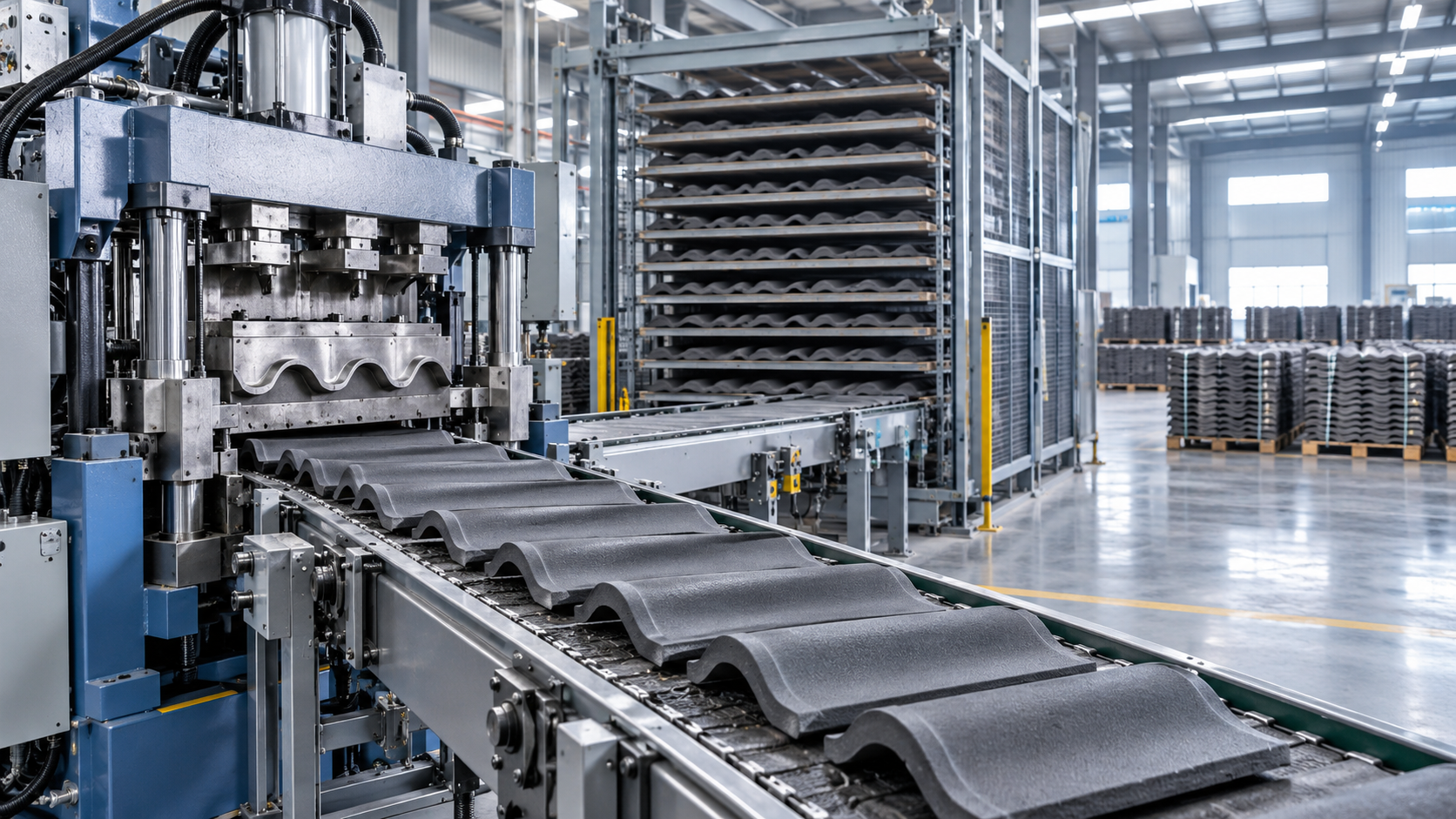
What Capacity Should a Roof Tile Making Machine Have for a Small Business?
What capacity should a roof tile making machine have for small business? Discover how to match output with demand, labor, curing space, and scalable growth for profitable production.
- Oct 17, 2026
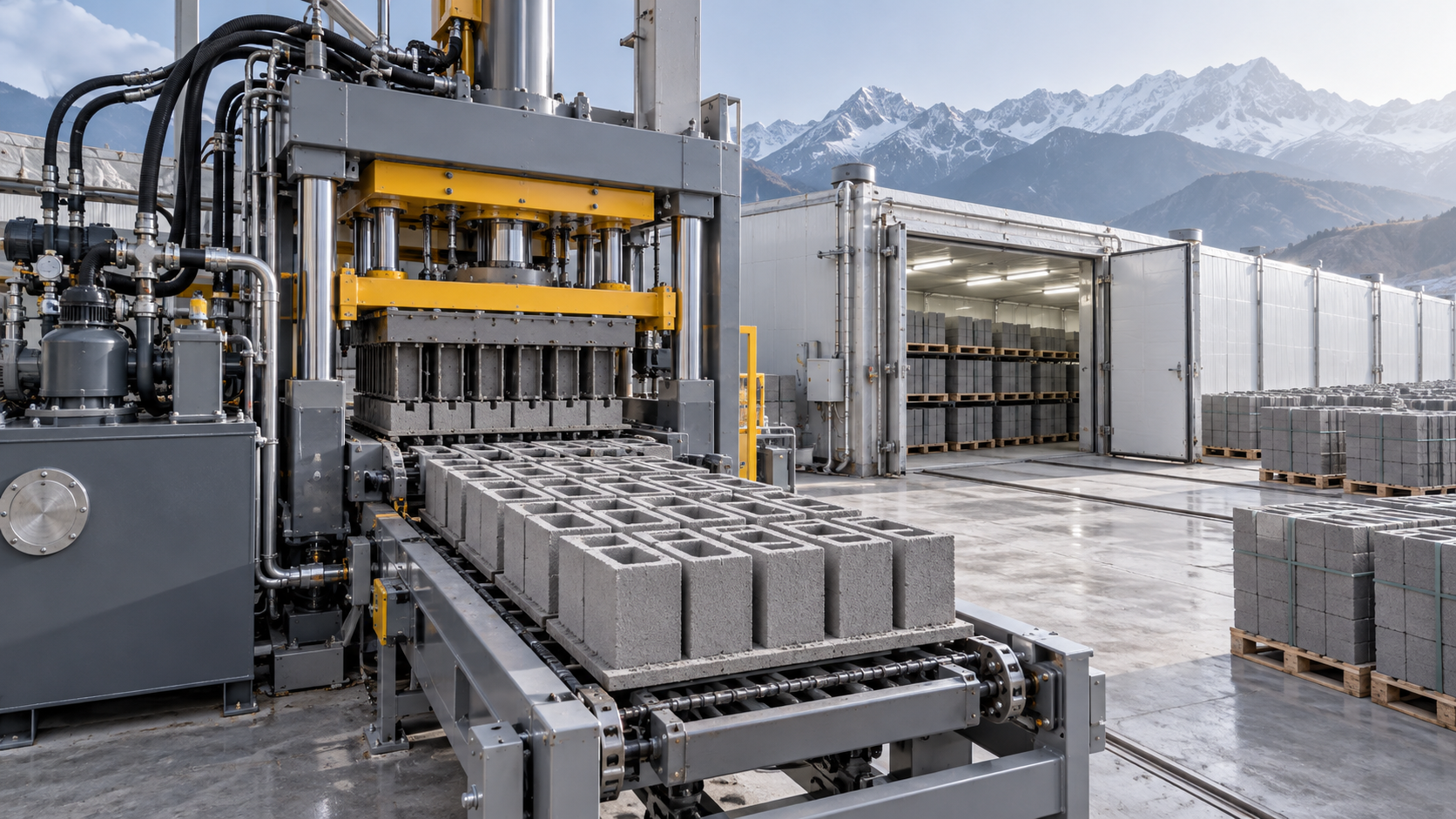
Is a Hydraulic Brick Making Machine Suitable for High-Altitude Areas?
Is a hydraulic brick making machine suitable for high-altitude areas? Explore climate-ready configurations, curing solutions, and reliable production tips.
- Oct 16, 2026
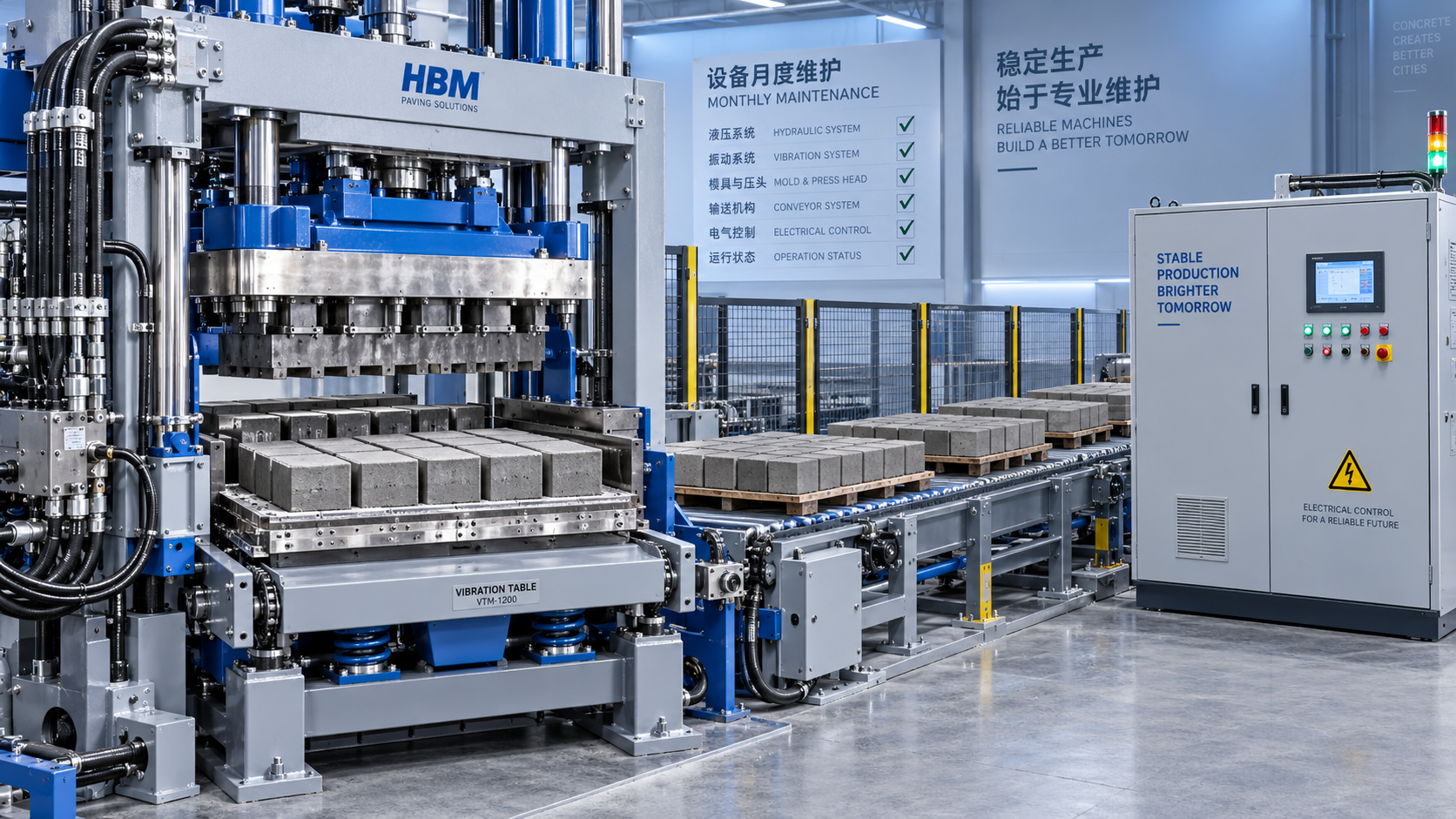
What Monthly Maintenance Does a Paving Block Machine Need?
What maintenance does a paving block machine need monthly? Discover essential checks for hydraulics, molds, vibration, safety, and reliable block quality.