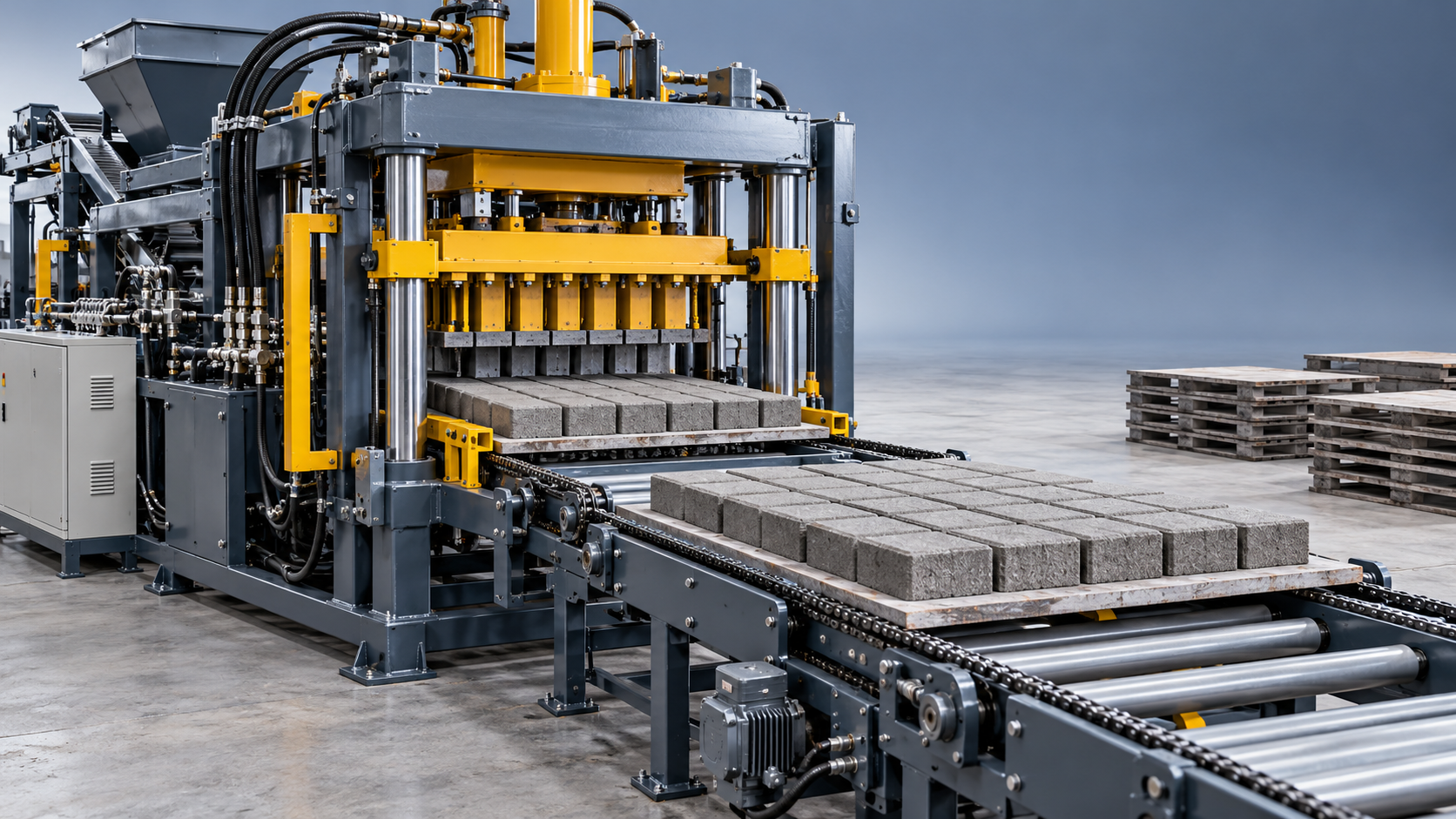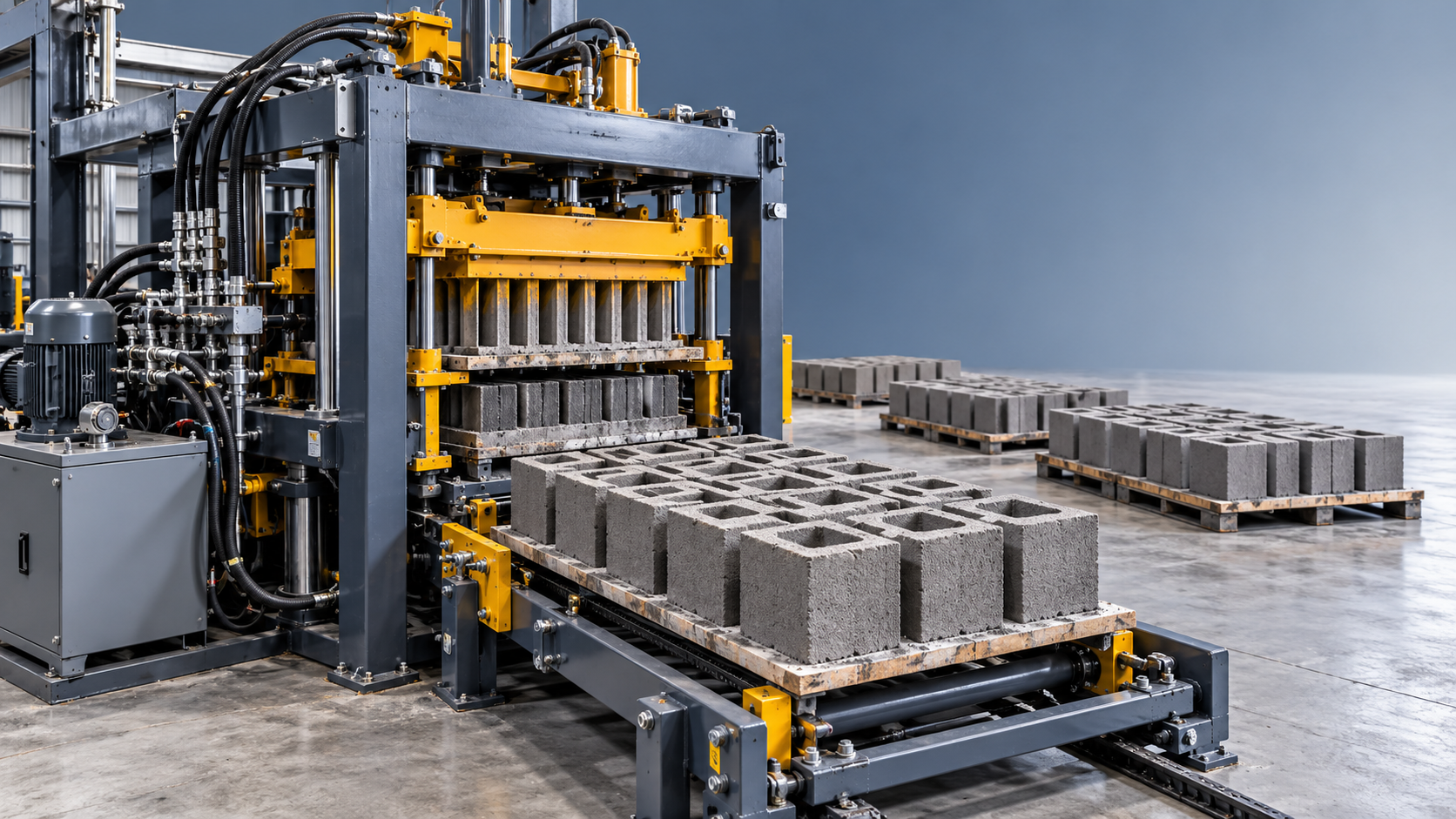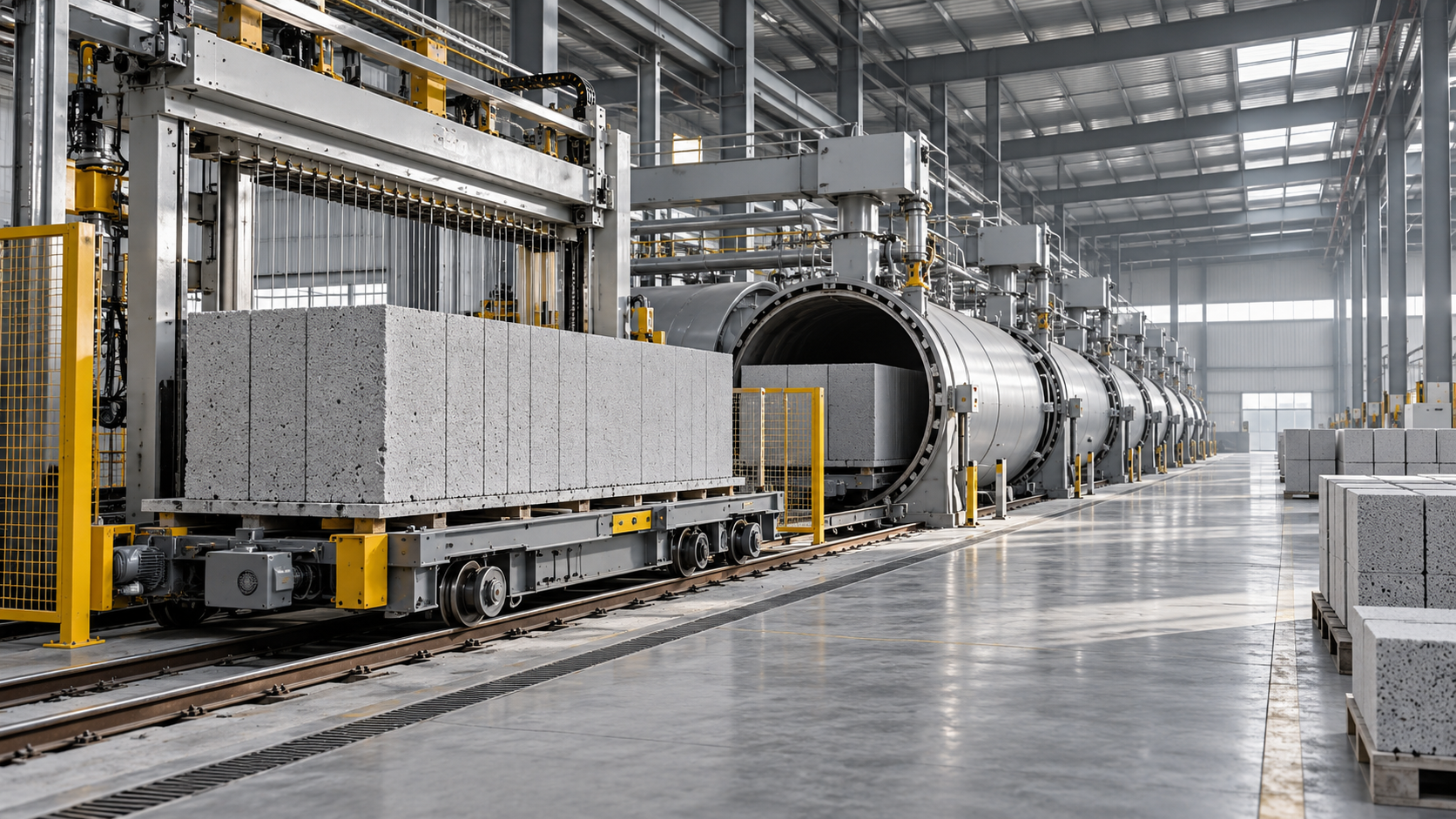
How Much Does a Paving Block Machine Cost to Operate?
How much does a paving block machine cost to operate? The useful answer is the cost of producing each saleable block or square meter of paving, including materials, labor, electricity, maintenance, and handling. Electricity alone cannot tell you whether a machine will be economical. A machine with lower power consumption can still produce expensive paving if it needs more labor, wastes concrete, or spends too much time waiting for pallets.
A reliable estimate starts with the paving product you intend to make, local input prices, and realistic production output. Separate the cost of running the equipment from the full cost of manufacturing finished pavers. That distinction makes equipment comparisons clearer and helps prevent underpricing.
Define what your operating cost includes
A supplier’s operating-cost estimate may cover only the block press. Your production budget needs to cover the equipment and activities required to turn aggregates, cement, and water into finished paving blocks ready for sale.
Keep equipment purchase costs, financing, depreciation, rent, and administration visible in a separate ownership and overhead calculation. They matter when setting selling prices, even though they are different from daily production expenses. Customer delivery can also be calculated separately so transport distance does not obscure manufacturing performance.
Calculate cost against saleable output
The basic calculation is:
Production cost per square meter = total production costs for a period ÷ saleable square meters produced during that period.
You can use cost per block for a single product. Cost per square meter is more useful when comparing paving formats with different numbers of blocks per covered area. Keep thickness, finish, and performance requirements consistent: a thicker paver uses more concrete per square meter, so comparing it directly with a thinner product can misrepresent machine efficiency.
“Saleable” is essential. Fresh blocks leaving the press are not yet confirmed finished output. Handling damage, dimensional problems, surface defects, or inadequate strength can reduce the quantity available for sale. The materials, labor, and energy spent on rejected products still belong in production costs.
For an existing plant, calculate costs over a period that includes normal cleaning, changeovers, and maintenance. For a proposed plant, build estimates for a normal working schedule and a lower-output schedule. This shows how costs behave when demand falls or production stops more often than expected.
Raw materials: connect the mix design to the finished product
Raw materials are a major cost driver because every block consumes concrete. Start with a mix suited to the intended paving application, then calculate its cost using delivered material prices. Purchase price alone can be misleading if freight, unloading, or storage losses are excluded.
Cement content deserves close attention, but reducing cement without evaluating the finished product can create false savings. Inadequate strength, weak edges, or poor surface durability can increase rejects and complaints. Excess cement also adds cost without necessarily solving problems caused by poor aggregate grading, inconsistent moisture, or unsuitable compaction settings.
Aggregate moisture affects both batching and consistency. Wet sand contributes water and changes the amount of dry material represented by a weighed batch. If the batching process does not account for this, the concrete’s behavior can shift, affecting mold filling, compaction, and early handling strength.
For colored or two-layer paving blocks, calculate the face mix separately from the base mix. Pigments and selected fine aggregates affect cost, while face-layer thickness controls how much of that mix each square meter consumes. Uneven feeding can cause both appearance defects and unnecessary material use.
Track material consumption against accepted output. A theoretically economical recipe loses its advantage if concrete is regularly discarded during startup, left in mixers, or rejected because of inconsistent production.
Estimate electricity for the complete production line
Installed power indicates equipment capacity; it does not directly state electricity consumption. Motors do not necessarily operate continuously or at full load, and different line components follow different operating cycles.
The electricity calculation should cover the mixer, conveyors, block press, hydraulic system, pallet handling, stacker, and any other equipment included in the proposed configuration. Include compressors or powered curing equipment if the process uses them.
Electricity cost per square meter = electricity consumed during the accounting period × applicable electricity rate ÷ saleable square meters.
Where the utility bill includes demand charges or time-based tariffs, account for those separately. A simple energy-rate calculation may otherwise understate the bill.
For an operating plant, a meter covering the production line gives a more useful basis than adding motor nameplate ratings. For new equipment, request the supplier’s estimated consumption together with the product, operating schedule, and equipment scope behind that estimate. A figure for the press alone should not be compared with a figure for a complete line.
Labor savings depend on the whole workflow
Automation can lower labor cost per square meter when it removes repetitive handling and keeps production moving consistently. Its value depends on where people are still needed throughout the shift.
A machine may feed pallets and discharge blocks automatically while still requiring manual aggregate loading, pallet movement, stacking, or packaging. Count these tasks alongside machine operation. Also include setup, cleaning, quality checks, and routine servicing.
Use total employment cost rather than the basic wage alone. Overtime, employer contributions, and shift arrangements can affect the actual expense. Divide that cost by achievable output, allowing for breaks and production interruptions.
A more automated line may suit sustained demand and regular product runs. A smaller operation making short batches may gain less from additional automation, especially if frequent mold changes or limited curing space restrict output. The useful comparison is how much accepted paving each staffing arrangement produces over a normal shift.
Budget for molds, pallets, and maintenance before they cause downtime
Molds and tamper heads work against abrasive concrete materials. Their condition affects dimensions, surface quality, and product release. Wear costs therefore include both replacement parts and any quality losses caused by continuing to use worn tooling.
Allocate mold costs to the products that use them, based on recorded service life and accepted production. For a new operation, use a replacement allowance supported by the proposed application and revise it as production records develop. Aggregate abrasiveness, product geometry, cleaning practices, and machine settings all influence wear.
Production pallets also need a budget. Their suitability and condition affect support during molding and handling. Damaged or unsuitable pallets can contribute to inconsistent products, while insufficient pallet availability can interrupt production.
Routine maintenance includes lubrication, filters, seals, belts, bearings, hydraulic components, and inspection time as applicable to the equipment. Planned servicing consumes time and money, but postponing it can turn a manageable task into a longer interruption.
Spare-parts availability matters alongside price. When evaluating a machine, examine which wear parts can be stocked locally, how replacement molds are supplied, and what technical support is available. An inexpensive component can become costly if its absence stops the line.
Why advertised capacity can understate your unit cost
Rated output usually depends on a defined product, mold arrangement, and cycle time. It does not automatically represent the quantity a complete plant can sell after a working shift.
The press may wait for mixed concrete, empty pallets, or space in the handling system. Changeovers, cleaning, material adjustments, and minor stoppages reduce productive time. Downstream capacity can be equally restrictive: molding more blocks provides little benefit if curing and finished-product handling cannot keep pace.
Curing is especially relevant because freshly molded pavers need controlled handling and suitable conditions to develop their required properties. Depending on the process, this involves space, water, covers, racks, chambers, heat, or additional handling. The associated costs and capacity requirements belong in the production plan.
Separate costs that continue during stoppages from costs that follow output. Shift wages and some support expenses continue when the machine is idle, while material consumption largely follows production and waste. Lower output spreads continuing costs across fewer saleable units.
This is why a larger machine does not automatically deliver a lower operating cost. It needs sufficient demand, material supply, handling capacity, and curing capacity to use its output effectively.
Build an estimate you can use to compare machines
Before requesting quotations, define the products and working conditions that each supplier should use. Otherwise, apparently similar operating-cost figures may describe different production tasks.
- Specify the paving product. Include dimensions, thickness, finish, color, and required performance. State whether production uses a single mix or a separate face mix.
- Set a realistic production schedule. Include planned shifts, product changes, cleaning, and expected sales volume.
- Price local inputs. Collect delivered material prices, labor costs, utility tariffs, and handling expenses.
- Define the complete equipment scope. Identify batching, mixing, molding, pallet handling, curing, and stacking arrangements.
- Calculate accepted output and test lower utilization. Examine what happens when production falls, material prices rise, or rejects increase.
When discussing a line with Shandong Hongfa Scientific Industrial & Trading Co., Ltd., its block-machine and concrete-batching equipment ranges provide a relevant starting point for considering the production system together. Request a configuration tied to your paving product and site conditions, with clear assumptions for staffing, utilities, wear parts, and output.
Keep each quotation on the same basis. A higher equipment price may support lower handling costs, but that benefit needs enough production volume to justify the investment. A lower-priced machine may be appropriate where demand is limited and labor is available.
The most useful next step is to build a cost sheet for one representative paving product. Establish its material consumption, complete staffing requirement, line energy use, maintenance allowance, and realistic saleable output. That gives you a practical basis for choosing equipment and setting a selling price that covers production.
Next:No more content
Recommend
 Oct 25, 2026
How Much Does a Paving Block Machine Cost to Operate?
How much does a paving block machine cost to operate? Explore material, labor, energy, and maintenance costs per saleable paver to compare machines and protect your margins.
- Oct 25, 2026
Can a Hollow Block Making Machine Meet Export Project Requirements?
Can a hollow block making machine meet export project requirements? Discover how to verify block standards, output, site compatibility, and supplier support before you invest.
- Oct 24, 2026
How Do You Choose an AAC Block Machine for a New Plant?
How do I choose an AAC block machine for a new plant? Discover how to match output, raw materials, autoclaves, and costs to select a balanced production line and avoid costly mistakes.