

AAC Block Production Line Trends in 2026: Automation, Energy Cost, and Capacity Planning
A common situation in 2026 is that an AAC block production line looks acceptable on paper, but the real pressure shows up later in labor coordination, unstable energy bills, and output plans that do not match actual demand. Many factory owners, plant managers, and project teams are no longer asking only whether a line can produce AAC blocks. They are asking whether it can keep running efficiently when staffing is tight, utilities are expensive, and expansion decisions carry more risk.
That is why current market discussions are shifting away from simple equipment lists and toward operating logic. Automation level, energy cost control, and capacity planning now shape most buying decisions, retrofit discussions, and line upgrade reviews. If you are evaluating an AAC block production line this year, these three trends usually determine whether the investment remains practical after installation, not just during supplier presentations.
Why these trends are becoming hard to ignore
In many plants, the first warning sign is not a major breakdown. It is daily friction. Operators spend too much time adjusting process settings manually. Steam, electricity, and raw material usage drift higher than expected. Production plans are made around best-case output, but actual shifts lose time because one part of the line moves faster than another. None of these issues sounds dramatic by itself, yet together they reduce line stability and make expansion decisions harder.
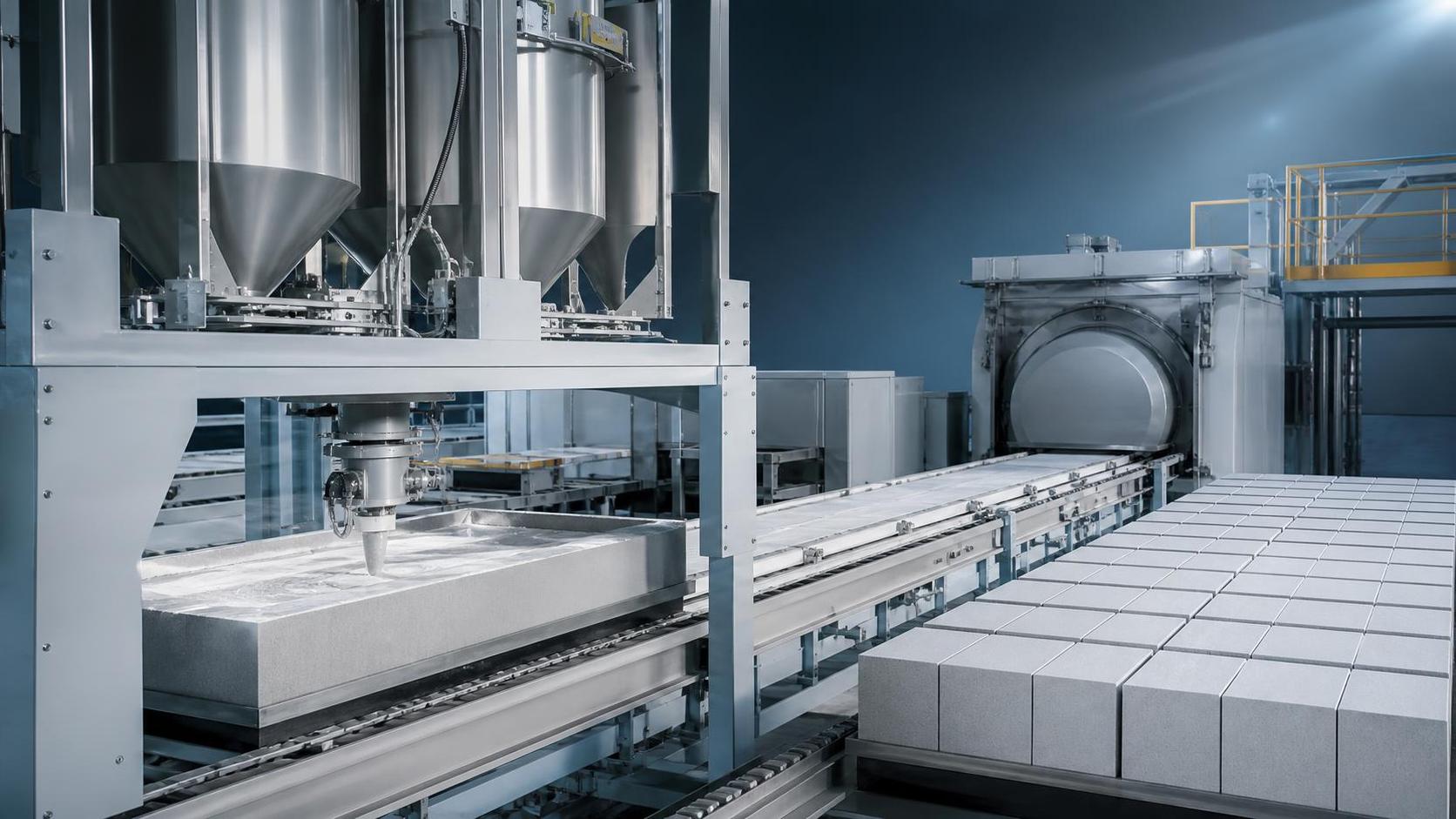
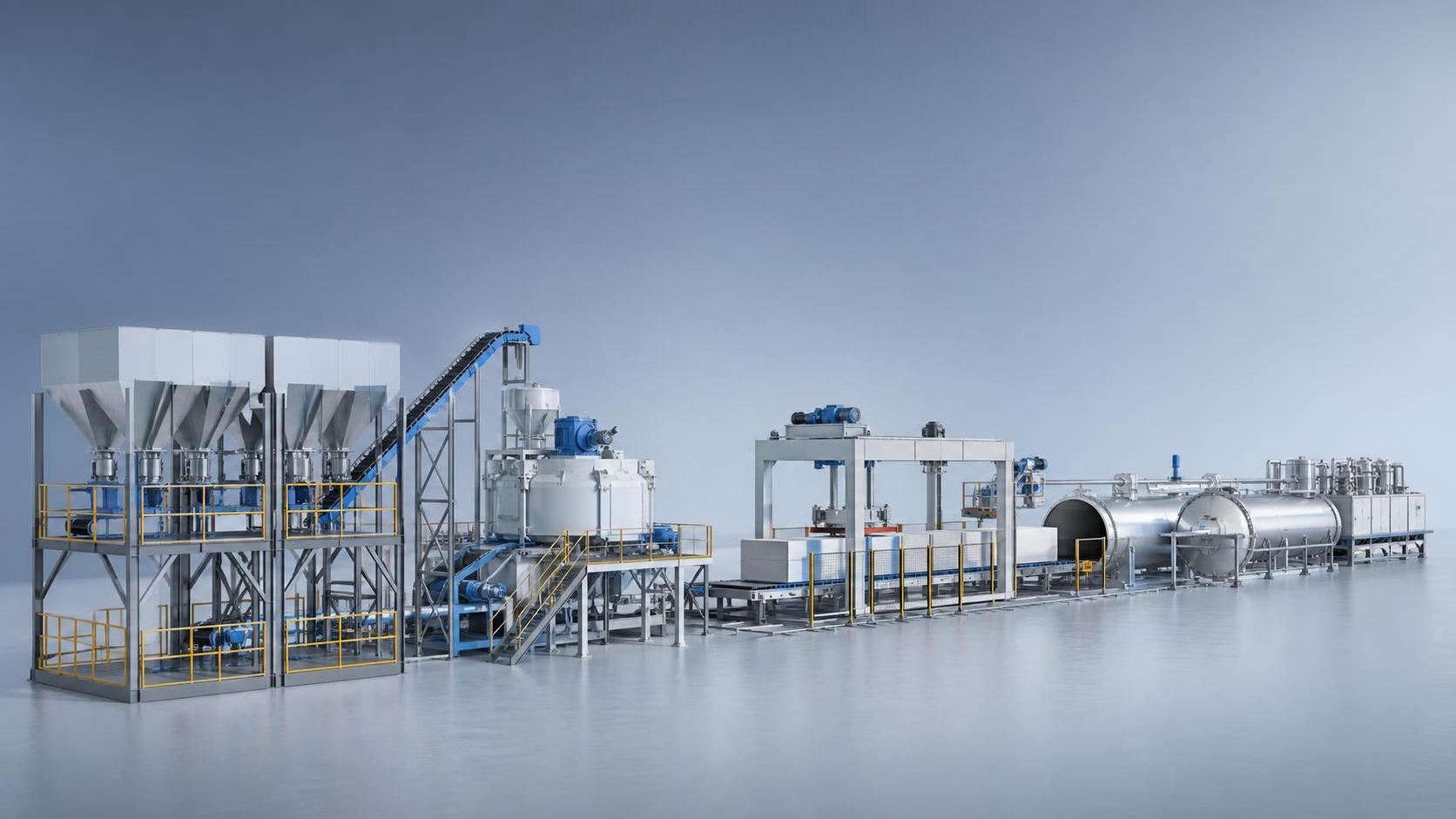
For an AAC block production line, this matters because the process is connected from batching to mixing, pouring, pre-curing, cutting, autoclaving, and finished product handling. A small inefficiency in one section tends to affect the next one. If automation is weak, operators rely more on experience than on repeatable control. If energy management is loose, the cost of steam generation and electrical consumption can quietly reshape the economics of the whole plant. If capacity planning is based only on nominal numbers, the line may be oversized, undersized, or difficult to ramp up in stages.
What makes 2026 different is that more buyers now treat these issues as design-stage questions rather than post-installation surprises. That is a healthier approach. It shifts the conversation from “How big is the machine?” to “How stable is the system under real operating pressure?”
The first misconception: more automation always means a better AAC block production line
One of the most common misunderstandings is that higher automation automatically leads to better results. In practice, the useful question is not whether a line has more automatic functions, but whether those functions reduce avoidable manual intervention in the places that matter most.
Some plants benefit immediately from automated batching accuracy, coordinated material transport, and central monitoring of process parameters. These features help because they reduce inconsistency and shorten reaction time when conditions change. But automation that adds complexity without improving process visibility can create a different problem: the plant becomes more dependent on specialized troubleshooting, and ordinary operating adjustments become slower instead of faster.
A reasonable evaluation standard is to check whether automation improves three things: repeatability, response speed, and operator workload. If the control system helps maintain more stable mixing, cutting, curing, and transfer coordination, it is serving the production line. If it mainly adds layers of interface without practical process clarity, the benefit may be weaker than it appears.
This is also why some buyers compare large automated lines with simpler auxiliary equipment before making a final decision. In certain production setups, even a smaller unit such as the QMR2-45 Block Forming Machine may enter the discussion as part of a broader product mix or support strategy, especially when a plant is balancing AAC production with other block output needs. That does not replace an AAC line, but it reflects a broader market habit: buyers are thinking in terms of flexible production systems rather than single isolated machines.
Energy cost is no longer a side calculation
Energy used to be treated as a background operating expense. In 2026, it has moved closer to the center of equipment evaluation. The reason is simple: even when demand remains healthy, cost volatility can change the payback logic of a line faster than many teams expect.
For an AAC block production line, energy cost discussion usually focuses on steam and electricity, but the deeper issue is process discipline. A line that requires repeated reheating, inconsistent curing schedules, or unnecessary idle running will usually generate avoidable cost pressure. That is why experienced buyers increasingly review energy use as part of process flow design, not as an afterthought handled by the utility department.
When people say they want an energy-efficient line, they often mean several different things at once. They may mean more stable batching that reduces waste. They may mean smoother material handling that limits stoppage. They may mean better coordination between green cake preparation, cutting, and autoclaving so that heat and time are used more predictably. They may also mean easier monitoring, because what cannot be tracked is difficult to improve.
A practical review starts with identifying where energy losses are most likely to hide. Common areas include oversized running capacity, stop-start operation, uneven feeding of downstream sections, and process settings that are adjusted by habit rather than by clear operating logic. Once these are visible, equipment selection becomes more grounded. Instead of asking only for a low-consumption promise, buyers can ask how the line supports steadier production rhythm and fewer waste-generating interruptions.
Capacity planning is shifting from maximum output to usable output
Another major trend is the way buyers think about capacity. A few years ago, the conversation often centered on headline output. In 2026, more decision-makers are asking whether that output is usable, sustainable, and aligned with actual market rhythm. That change sounds subtle, but it has a large effect on equipment choices.
Usable capacity means a line can maintain practical production volume without constant bottlenecks, excessive labor strain, or wasted utility load. A plant may own equipment rated for aggressive output, but if upstream raw material handling, curing coordination, or finished product logistics cannot support that pace, the nominal capacity becomes misleading. In market terms, that is not a sizing success. It is a planning mismatch.
Scalable capacity planning has therefore become more valuable than simple overbuilding. Many teams now prefer line concepts that allow staged expansion, process balancing, and easier integration with existing plant conditions. This is especially relevant when market demand is uneven across regions or project timelines are uncertain. Building too small creates supply pressure. Building too large creates cost pressure. The stronger approach is to size around realistic operating conditions and leave room for disciplined expansion.
Suppliers with broader manufacturing depth and engineering resources tend to be more relevant in this context because capacity planning is not just a machine issue. It involves process layout, equipment matching, control philosophy, and support for future adjustment. Manufacturers with a long background in construction machinery and building material equipment, such as those producing AAC lines alongside other block and batching systems, are often evaluated on their ability to connect these elements into a workable production structure rather than selling one isolated piece of hardware.
How to evaluate line options without getting lost in feature lists
When teams compare suppliers, the process can become confusing very quickly. Brochures mention automation, efficiency, and capacity, but those words are too broad to support a sound purchase decision by themselves. A more useful method is to turn the evaluation into a checklist of operating questions.
- Check where manual intervention still remains. Ask which steps still depend heavily on operator timing, judgment, or repetitive adjustment. The answer shows where labor risk may continue even in a line described as automated.
- Review process continuity instead of single-machine performance. An AAC block production line should be judged by how well its sections work together. A strong cutting section does not solve delays caused by feeding, curing, or transfer imbalance.
- Ask how energy efficiency is supported operationally. Look beyond claims and focus on control methods, process stability, and how the system helps avoid idle load, repeated handling, or uneven cycle management.
- Compare rated capacity with realistic plant conditions. Consider your raw material flow, staffing structure, utility availability, floor space, and dispatch rhythm. Capacity only matters if the surrounding system can support it.
- Evaluate upgrade flexibility. If demand changes, can the line be adjusted, expanded, or integrated with other production equipment without forcing a complete redesign?
- Check support depth, not only machine specifications. A supplier’s engineering base, technical team, and product range can matter because post-selection adjustments often depend on experience across related building material equipment categories.
This kind of review tends to reveal more than a general sales comparison. It also helps prevent a frequent mistake: choosing a line that looks advanced in isolated features but is difficult to run consistently under plant conditions.
What a practical buying path looks like in 2026
For most industrial buyers, the cleanest path is not to chase the most complex configuration first. It is to define operating constraints clearly, then match the line to those realities. That usually means listing labor availability, expected production rhythm, utility limits, product mix, and future expansion intent before discussing optional features.
Once that baseline is clear, automation can be assessed where it directly improves control and reduces repetitive manual dependence. Energy considerations can be reviewed in relation to process stability rather than marketing language. Capacity can be sized around sustained output instead of optimistic peaks. This sequence makes the selection process slower at the beginning, but it often reduces costly misunderstanding later.
In some cases, buyers also review how other block-related equipment fits into the wider production strategy. A unit like the QMR2-45 Block Forming Machine may be considered when a factory is mapping complementary production capacity beyond AAC alone. The useful point is not the product itself as a substitute, but the planning mindset behind the comparison: stronger factories increasingly think in terms of coordinated equipment portfolios rather than one-time purchases.
Frequently Asked Questions
Is a fully automated AAC block production line always the right choice?
Not necessarily. The better choice depends on whether automation improves repeatability, reduces operator burden, and fits the plant’s actual maintenance and control capability. Too much complexity without process clarity can create new operating difficulties.
What should be checked first when energy cost becomes a concern?
Start with process rhythm and line coordination. Repeated stoppages, uneven feeding, idle running, and poor synchronization often drive energy waste more than a single component specification does.
How do I know if planned capacity is realistic?
Compare rated output with your raw material supply, curing flow, labor organization, utilities, plant layout, and finished product handling. If those supporting conditions are not aligned, the headline capacity may not be usable in daily operation.
Should expansion planning be part of the initial equipment discussion?
Yes. Even if expansion is not immediate, it is easier to choose a line with reasonable upgrade paths at the beginning than to rebuild the production structure later under time pressure.
Closing Thought
The main trend around every AAC block production line in 2026 is not bigger equipment for its own sake. It is better control over how the line runs, what it costs to operate, and how well it can adapt when demand changes. Automation matters when it improves repeatability. Energy strategy matters when it is tied to process discipline. Capacity planning matters when it reflects usable output rather than ideal output. Buyers who evaluate these three areas together usually make more durable decisions than those who focus only on initial specifications.