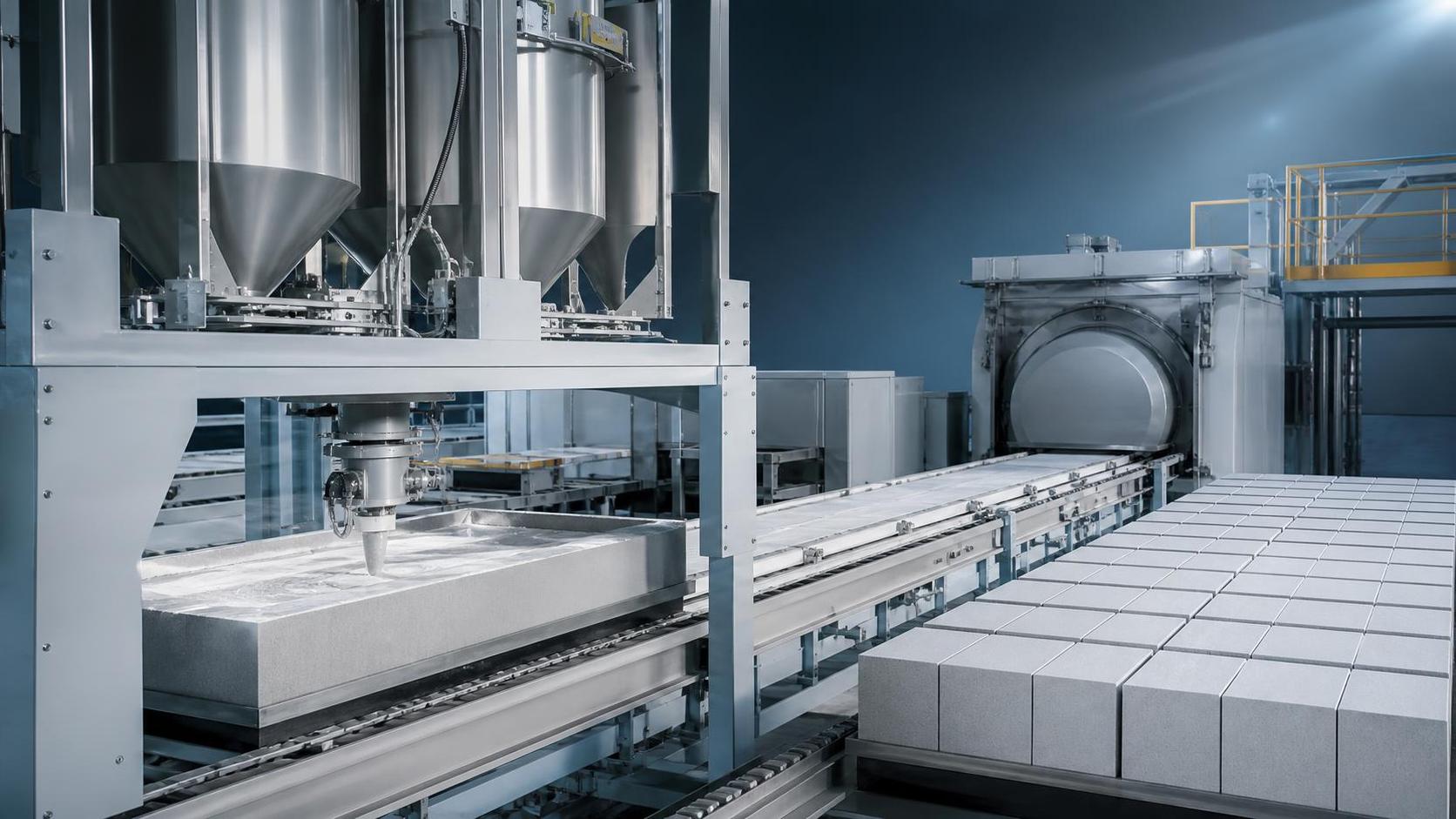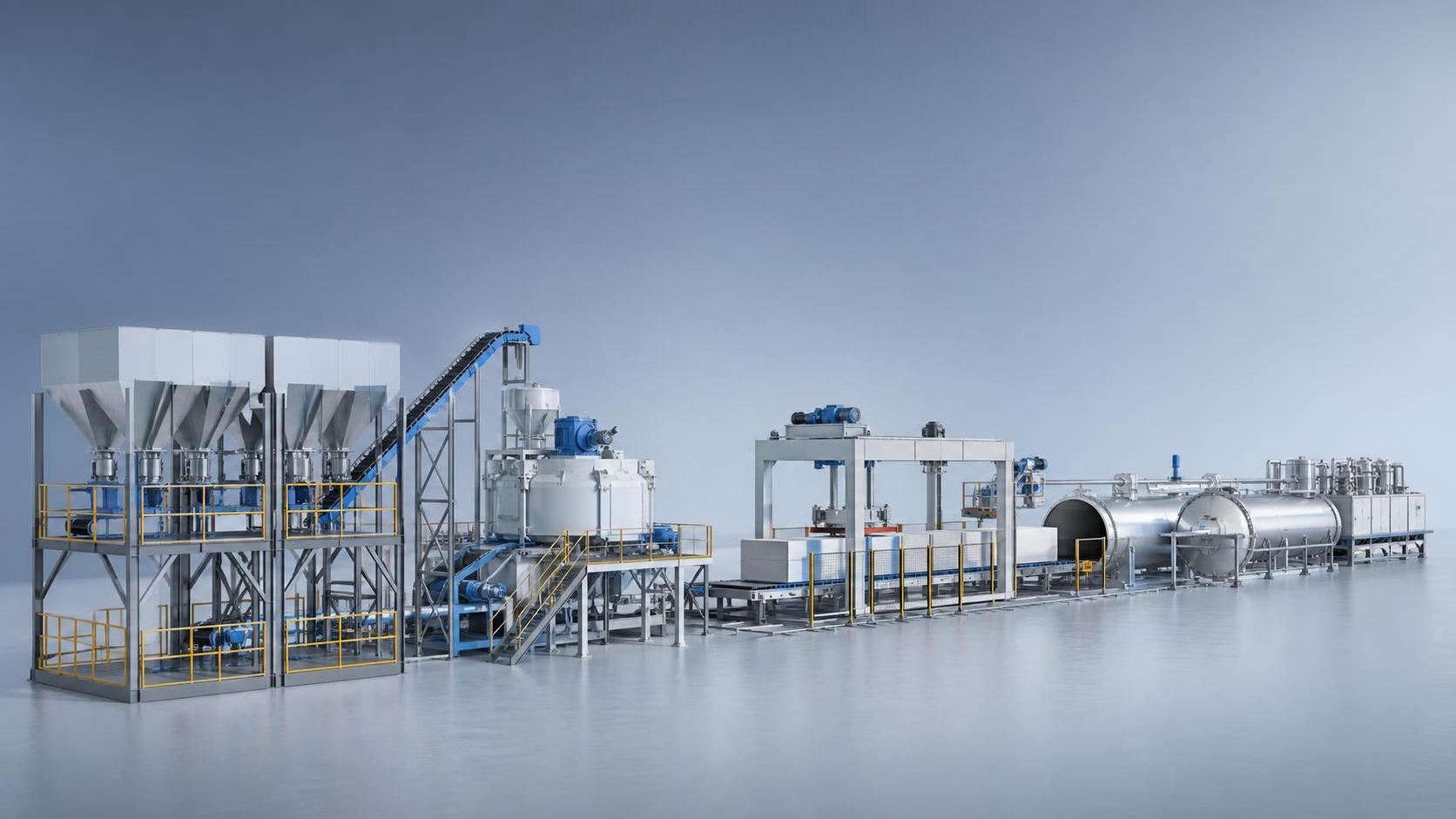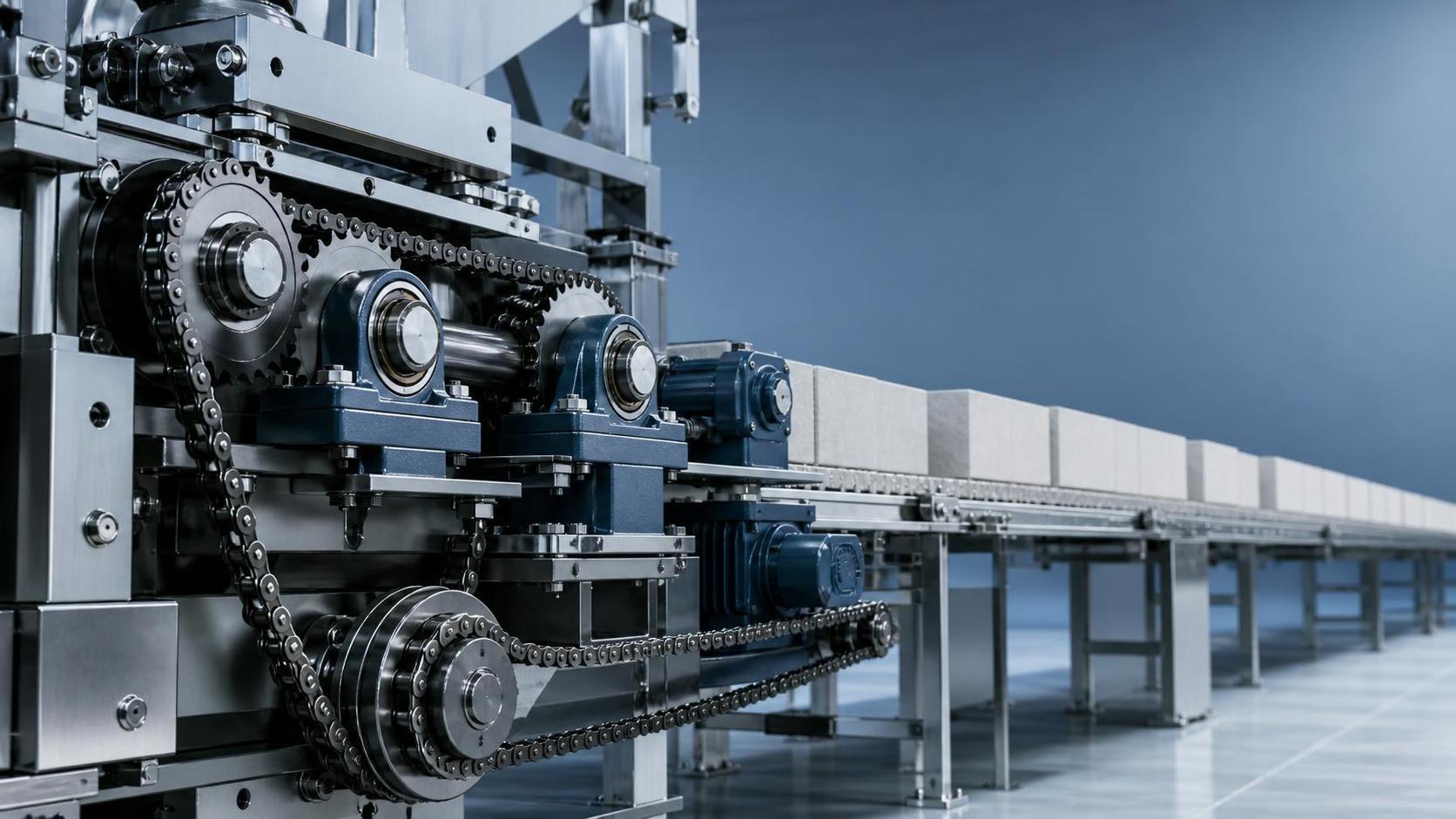




How to Control Density and Strength in an Aerated Concrete Block Production Line
A common problem in an aerated concrete block production line is that blocks do not behave the same way from batch to batch. One day the density is higher than expected, another day the compressive performance feels weak, and the cutting or curing stage starts exposing defects that were not obvious at the slurry stage. For production teams, quality supervisors, and plant managers, this is frustrating because the issue rarely comes from just one point.
When density and strength drift out of control, the impact is immediate: unstable product quality, more rejected blocks, more time spent checking raw materials and equipment, and more pressure on operators to correct problems after they have already moved down the line. The practical way to handle it is to treat density and strength as linked results of material control, process timing, moisture management, mixing consistency, and curing discipline.
Why density and strength often move together in an aerated concrete block production line
Many people first look at density and strength as two separate targets, but in actual production they influence each other continuously. If the slurry expands too much, the final block may become lighter, but the internal pore structure can become too weak or too uneven. If the mixture is too heavy or too dense at the start, the block may gain mass without developing the balanced internal structure needed for stable performance.
That is why control in an aerated concrete block production line should begin with a basic judgment: are you trying to correct a material problem, a reaction problem, or a curing problem? Without that distinction, operators often keep adjusting water, aluminum paste, or curing time in isolation, which can make the next batch less predictable rather than more stable.
In most plants, density is affected by the solid-to-liquid ratio, fineness and consistency of the siliceous material, lime and cement activity, aluminum dosing, slurry temperature, and mold filling behavior. Strength is then shaped by whether the green body forms a stable pore system, whether pre-curing is controlled, whether cutting happens at the correct stage, and whether autoclave curing is uniform enough to complete the expected reaction.
What unstable density and strength usually look like on the shop floor
The problem rarely starts with a lab report alone. It usually shows up in practical symptoms that experienced teams notice early. A batch may rise too fast, collapse at the edge, crack during cutting, or show visible differences between the top and bottom of the mold. In other cases, the block appears dimensionally acceptable but feels inconsistent after curing, with one stack noticeably heavier or more brittle than another.
Another common situation is that operators keep compensating for one symptom without checking the full chain. For example, if the block is too dense, they may reduce solids or increase gas generation, but if the root cause is poor mixing, unstable temperature, or delayed pouring, the correction will be incomplete. The result is a cycle of constant adjustment with no stable baseline.
This is why good control depends on observation before correction. The timing of slurry discharge, the visual consistency of the mix, mold filling uniformity, rise profile, green cake hardness before cutting, and steam curing behavior all tell you where the deviation likely started.
Start the check with raw materials, not with the final blocks
If density and strength are moving outside the expected range, the first useful question is whether the incoming materials are still behaving the same way. In aerated concrete production, small shifts in raw material condition can produce visible differences later. Moisture variation in sand or fly ash, changes in lime reactivity, inconsistent gypsum condition, and unstable aluminum paste dispersion can all change how the slurry develops.
A practical review normally includes the following points:
- Check whether the moisture content of the main aggregate source has changed enough to affect the actual water ratio.
- Confirm that batching records reflect real material condition rather than fixed assumptions from an earlier shift.
- Review whether the fineness and storage condition of powders are still suitable for stable reaction.
- Inspect whether aluminum dosing and dispersion are consistent and added at the intended stage.
- Verify that storage and feeding equipment are not causing segregation, bridging, or uneven discharge.
Storage stability matters more than many teams expect. If powder flow is inconsistent or moisture enters stored material, the same formula on paper can behave differently in production. In some setups, using equipment such as a Concrete Silo as part of a controlled feeding system helps maintain more stable material delivery, especially when the goal is to reduce fluctuation between batches rather than keep correcting proportions manually.
Then check process conditions that directly shape pore structure
Once the raw materials appear stable, the next step is to look at process conditions. In an aerated concrete block production line, density and strength depend heavily on whether gas generation, slurry viscosity, and setting development stay in balance. If one moves faster than the others, the internal pore structure becomes uneven, and that affects both weight and mechanical behavior.
The most common process control points are:
- Slurry temperature: If the temperature is too low, the reaction may lag and expansion becomes unstable. If it is too high, the rise may become too fast and harder to control.
- Mixing time and intensity: Insufficient mixing can leave the slurry non-uniform. Excessive mixing at the wrong stage can also disturb gas distribution.
- Water ratio: Too much water can weaken green body stability; too little can reduce workable flow and affect expansion consistency.
- Mold filling timing: Delays between mixing and pouring can shift reaction timing enough to change density and cuttability.
- Rise and pre-curing window: The green cake must reach the right condition before cutting. Too soft and it deforms; too hard and cutting quality suffers.
These checkpoints matter because strength is not formed only in the autoclave. The groundwork for strength is already being set when the slurry rises and develops a uniform microstructure. If that early structure is poor, later curing can only recover part of the loss.
A practical troubleshooting sequence for density and strength problems
If you are dealing with recurring variation, it helps to follow a fixed troubleshooting order instead of changing multiple variables at once. A simple and disciplined sequence usually gives better results than aggressive correction.
- Record the symptom clearly. Decide whether the main issue is excessive density, insufficient strength, both at the same time, or large batch-to-batch variation.
- Compare current raw material condition with the last stable period. Focus on moisture, fineness, activity, and storage behavior.
- Review the actual batching result. Confirm that weighing, feeding, and water compensation were executed correctly in practice.
- Check slurry consistency and temperature at discharge. This often reveals whether the formula is behaving as intended before mold filling.
- Observe the rise profile in the mold. Uneven rise, collapse, or abnormal surface behavior usually points to reaction imbalance.
- Inspect pre-curing and cutting timing. If the green body is handled at the wrong stage, measured strength later may be affected by structural damage introduced before autoclaving.
- Review autoclave uniformity. Uneven curing conditions can create differences even when the earlier process was acceptable.
- Change only one major variable at a time. This is essential if you want to identify the true cause rather than create a new one.
Many recurring problems come from skipping step-by-step verification. Teams under pressure often jump directly to changing aluminum dosage or cement content because those changes produce visible effects quickly. But if the real problem is moisture compensation or delayed pouring, the quick adjustment may hide the cause for one shift and bring it back on the next.
Common mistakes that make control harder than it needs to be
One frequent mistake is treating the recipe as fixed while the raw material condition keeps changing. In reality, the same formula can behave differently as aggregate moisture, powder flowability, or ambient conditions shift. If operators rely on nominal values instead of actual measured condition, density drift becomes almost unavoidable.
Another mistake is trying to improve strength simply by making the block denser. This can work in a narrow sense, but it often undermines the target product profile. In an aerated concrete block production line, the goal is not maximum density; it is a controlled balance between weight, pore structure, dimensional stability, and strength. A heavier block is not automatically a better block.
A third mistake is neglecting feeding and storage consistency. Poor discharge behavior from powder storage units can lead to uneven batching even when the weighing system itself is accurate. For that reason, some plants pay closer attention to the condition and flow reliability of systems connected to equipment such as a Concrete Silo, because the accuracy of dosing depends on stable material movement as much as on the scale reading.
How to keep the process stable after the immediate problem is fixed
Once a production line is back within an acceptable range, the next challenge is preventing the same issue from returning a few days later. The most effective approach is to create a repeatable control routine that operators can follow shift after shift.
That routine usually includes a short checklist for incoming material condition, real-time confirmation of water compensation, standard temperature checks before pouring, visual rise inspection, and a clear release condition for cutting. It also helps to keep one internal reference batch or operating window that the team recognizes as the stable baseline. When a deviation appears, the comparison point should be practical and recent, not theoretical.
For manufacturers with broader equipment experience in building materials machinery, the long-term lesson is consistent across different product lines: equipment reliability, material handling discipline, and process traceability matter as much as formulation design. Companies with strong engineering support and established quality tracking practices tend to manage these variables more systematically because they do not treat production control as a last-minute inspection task.
Common Questions
Can low strength always be solved by increasing cement or lime?
No. That may change the mix behavior, but low strength can also come from poor pore structure, unstable expansion, cutting damage, or curing inconsistency. It is better to identify where the structure started to fail before adjusting binder content.
Why do blocks from the same formula sometimes show different density?
This usually happens when actual production conditions changed even though the written formula did not. Moisture variation, inconsistent feeding, different slurry temperature, or small timing changes in mixing and pouring are common reasons.
Which stage should be checked first when density is unstable?
Start with raw material condition and batching accuracy. If those are stable, move to slurry temperature, mixing quality, and mold rise behavior. Final block inspection is useful, but it is usually too late to reveal the earliest cause by itself.
Does autoclave curing fix weak green body structure?
Only partly. Autoclaving is important, but it cannot fully correct a poor internal structure created by unstable mixing, gas generation, or pre-curing. Good final strength depends on earlier steps being controlled well.
Conclusion
Controlling density and strength in an aerated concrete block production line is usually less about one dramatic adjustment and more about disciplined control across materials, batching, reaction timing, green cake handling, and curing. If you approach the issue in order, verify one variable at a time, and treat storage and feeding stability as part of quality control, it becomes much easier to keep block performance consistent instead of chasing defects after they appear.