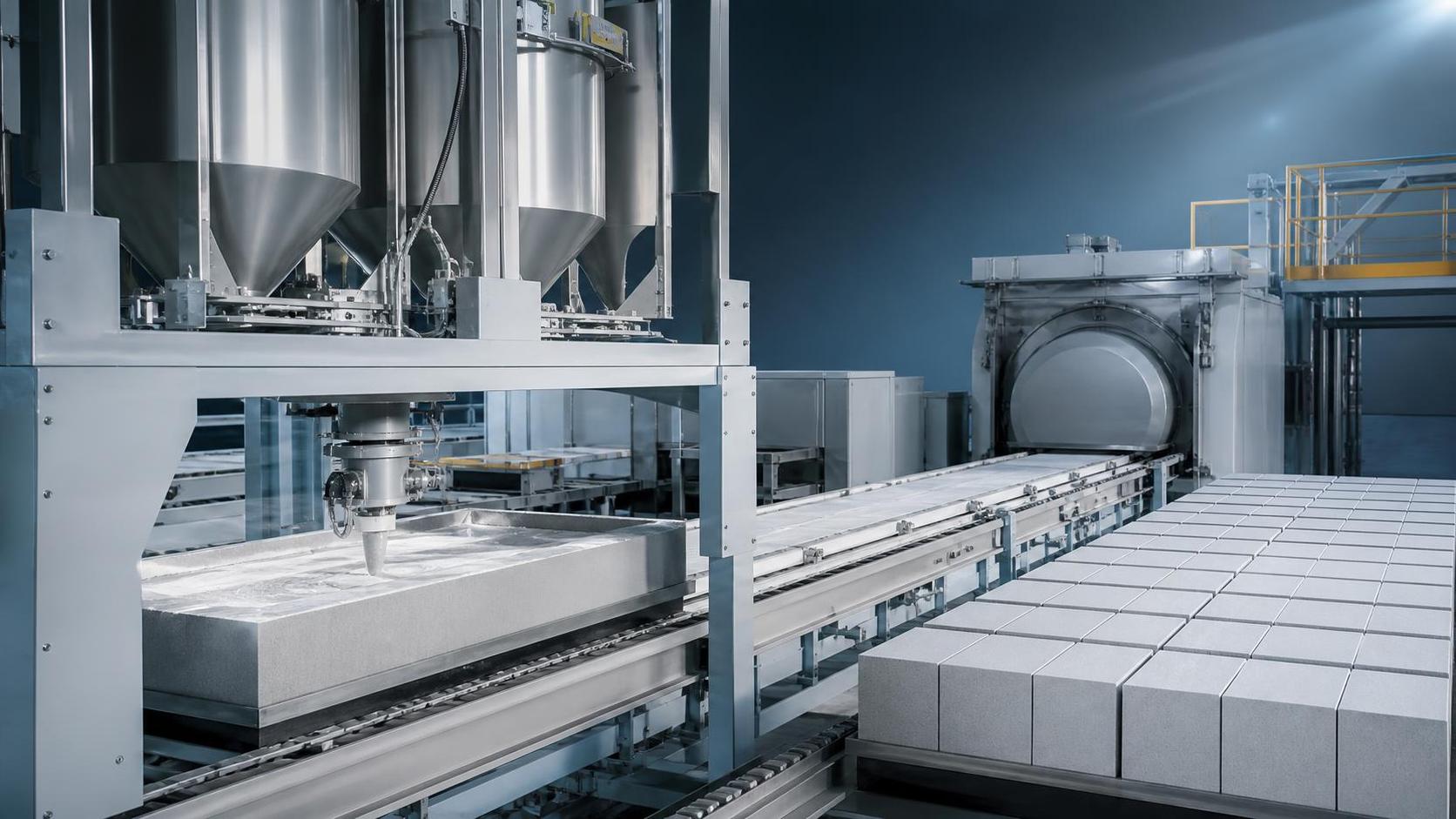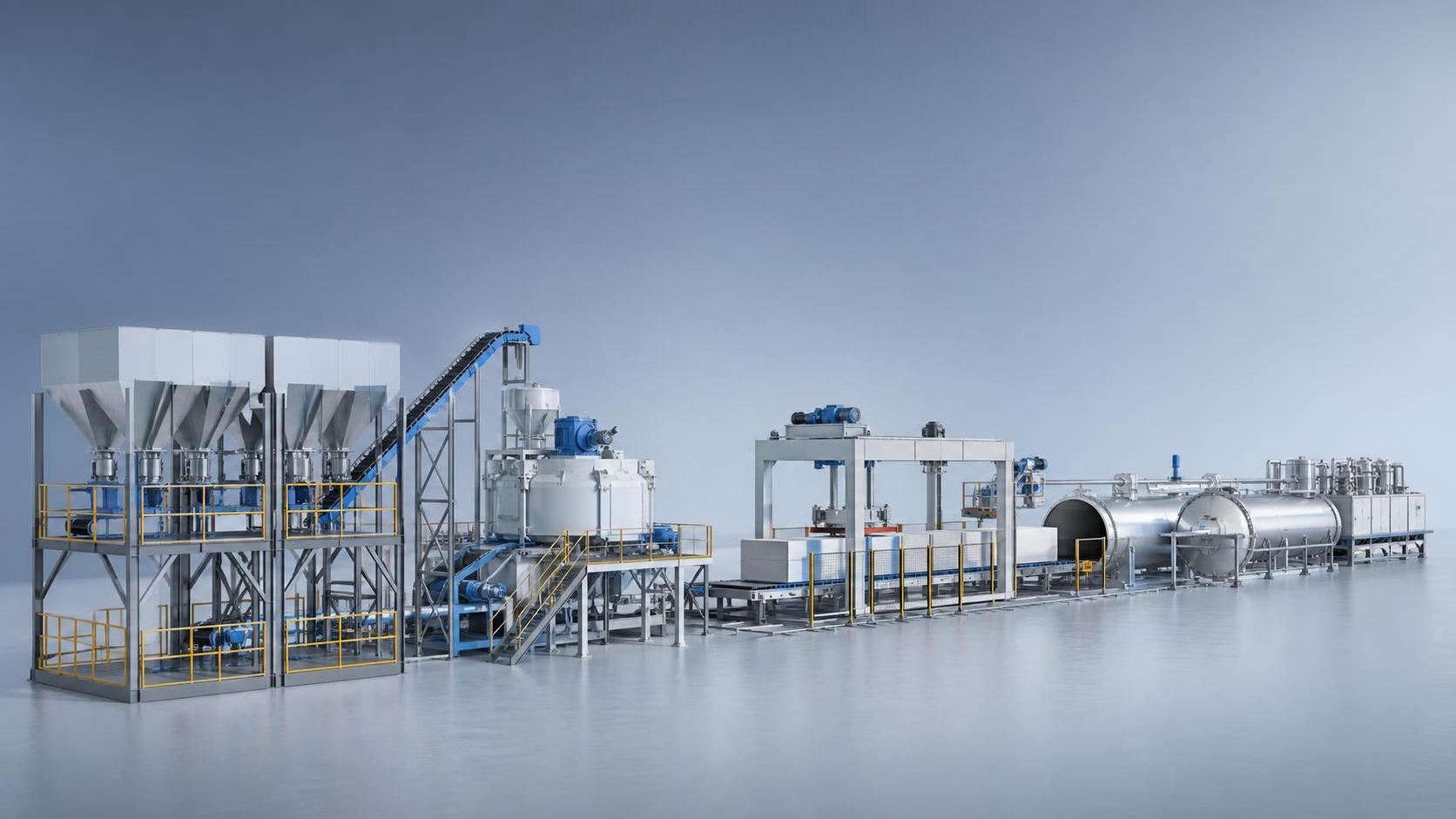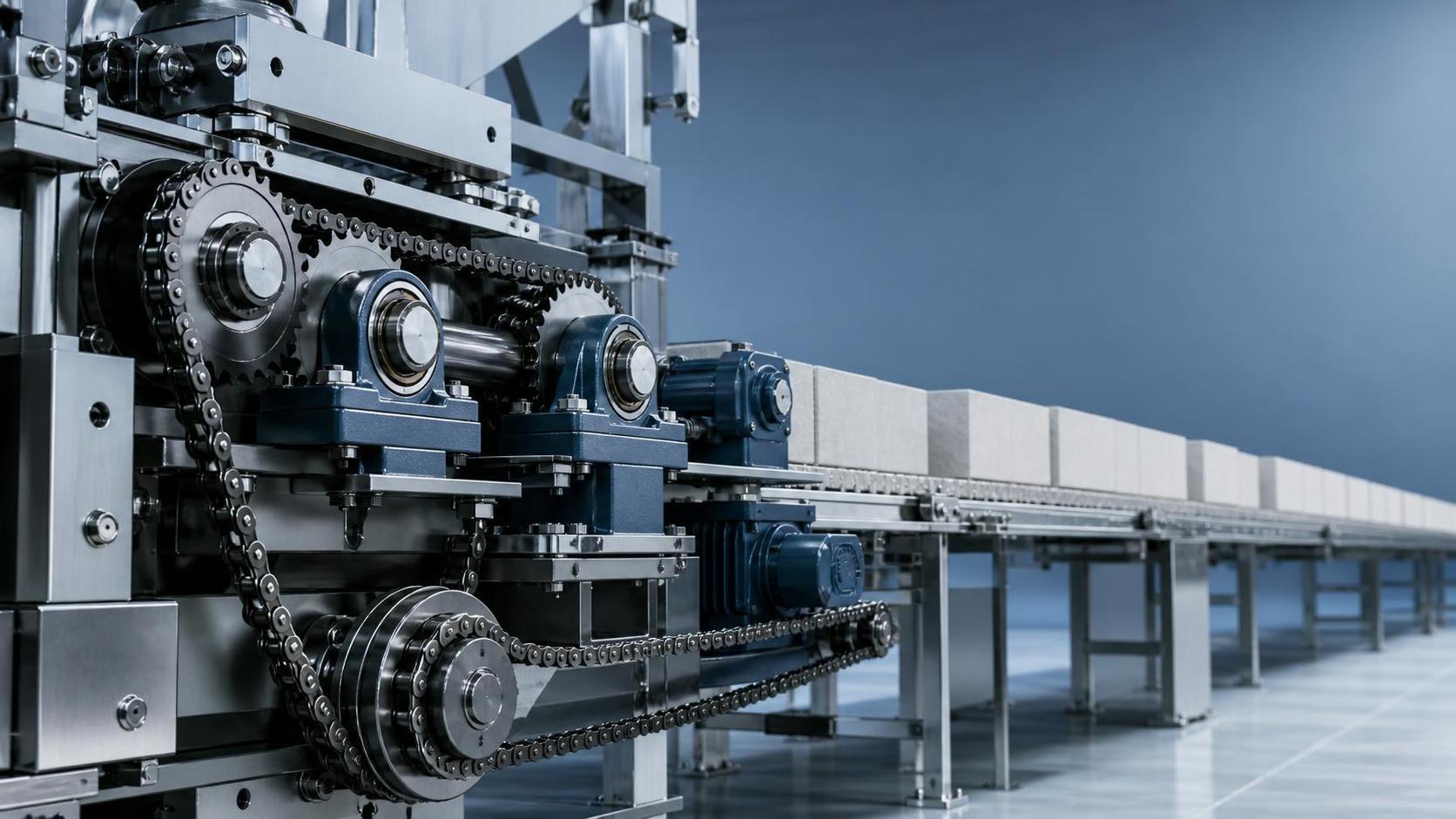




Why Concrete Block Making Machine Output Drops and How to Correct It
When a concrete block making machine starts producing fewer blocks than usual, the problem is rarely limited to one setting or one worn part. In day-to-day production, lower output usually shows up as slower cycle times, more rejected blocks, repeated stoppages, or a line that seems to be running but never quite reaches the planned shift target.
This is frustrating because the loss does not always look dramatic at first. A few seconds added to each cycle, inconsistent feed in the mold box, or unstable vibration can quietly reduce daily capacity. If you are dealing with this kind of drop, the practical way forward is to check the machine as a system: raw materials, feeding, vibration, mold condition, hydraulic response, curing flow, and maintenance discipline all affect output.
What a drop in output usually looks like on a concrete block making machine line
In many plants, the first sign is not a complete stop. Instead, operators notice that pallets move more slowly, block edges become less consistent, or the machine needs more intervention between cycles. The line still runs, but the shift ends with fewer finished products than expected. That makes troubleshooting harder, because the issue feels spread across the process rather than tied to a single fault.
Another common situation is that output falls after a material change, a mold replacement, seasonal weather changes, or a maintenance delay. People may assume the machine itself has lost capacity, but in practice the machine is often reacting to a mismatch somewhere else. A concrete block making machine depends on steady material flow, repeatable compaction, and synchronized movement. When one part drifts, the entire rhythm slows down.
The operational impact is straightforward. Production planning becomes unreliable, labor efficiency drops, and quality control gets tighter at the exact time the team is already under pressure. That is why it helps to treat reduced output as a process problem first, not just a mechanical problem.
Start with the symptoms before replacing parts
A common mistake is to react too quickly by changing hydraulic components, increasing vibration time, or pushing operators to speed up cycles. Sometimes that works for a short period, but it can also hide the real cause and create more wear. A better approach is to identify what kind of output loss you are seeing.
Ask a few basic questions at the line:
- Is the machine cycling more slowly than before, or is it cycling normally but producing more defective blocks?
- Is the feed box filling the mold unevenly?
- Are blocks sticking in the mold or showing damaged corners after demolding?
- Has the material moisture changed recently?
- Are stoppages related to sensors, pallet transfer, or hydraulic response?
These observations matter because they separate a true capacity problem from a quality problem that only looks like lost capacity. If ten cycles run at normal speed but two pallets are rejected, the shift output still drops. The fix, however, may be in mix consistency or mold condition rather than machine speed.
The most common reasons output drops
Once the symptoms are clear, the next step is to inspect the most likely sources. In block production, reduced output usually comes from a small group of recurring causes.
1. Material consistency is no longer stable
If aggregates change in grading, moisture rises, cement distribution becomes uneven, or the mix is too dry or too wet, filling and compaction suffer immediately. A mix that does not flow evenly into the mold can force longer feed time, cause weak block edges, or require repeat adjustments during the shift. Operators sometimes compensate by changing vibration duration, but that only treats the symptom.
2. Mold wear affects both quality and cycle rhythm
Worn molds do more than change block appearance. They can increase friction, create poor release, and lead to misalignment during forming. If blocks hesitate during demolding or come out with repeated defects, the line slows because people start checking, cleaning, or stopping more often. Even a small dimensional issue in the mold assembly can gradually reduce practical output.
3. Vibration and hydraulic settings drift from the actual mix requirements
A concrete block making machine needs the right balance of feed, press, and vibration. If vibration force is insufficient, compaction becomes inconsistent. If vibration or pressing lasts too long, cycle time expands with no real benefit. Hydraulic response that has become slower due to oil condition, leakage, pressure loss, or valve wear can also stretch each cycle in a way that is easy to miss unless someone compares present timing against normal operation.
4. Feeding and pallet handling become the hidden bottleneck
Output is often blamed on the main machine, while the actual restriction comes from the feeder, conveyor, pallet supply, or stacking section. Uneven feed into the mold box, delayed pallet positioning, or transfer interruptions break the pace of the line. In that situation, increasing the main press speed does not help because the downstream or upstream equipment is already limiting throughput.
5. Maintenance gaps accumulate into lost capacity
Loose fasteners, dirty sensors, insufficient lubrication, worn seals, contaminated hydraulic oil, and uncalibrated settings do not always stop production immediately. More often, they cause minor interruptions, unstable cycles, and repeated manual corrections. The line stays operational, but the output keeps slipping.
A practical troubleshooting sequence that usually works
When output is down, it helps to inspect in a fixed order. This prevents random adjustments and makes it easier to find the real restriction.
- Check actual cycle behavior. Watch several consecutive cycles and note whether the delay occurs during feeding, pressing, demolding, pallet movement, or transfer. Do not rely only on the final output number. The timing of the delay tells you where to focus.
- Verify the mix before changing machine parameters. Confirm moisture consistency, aggregate grading, and whether the material is flowing evenly. If the mix is unstable, machine settings will keep drifting as operators try to compensate.
- Inspect mold condition and alignment. Look for wear, sticking, poor release, residue buildup, and signs that the mold is no longer seating or guiding correctly. If blocks show repeated edge damage or shape inconsistency, this check should move higher on the list.
- Review vibration and pressure settings against current material conditions. The right values depend on the product type and mix behavior. If the line has been adjusted repeatedly over time, compare current settings with the known stable setup used during normal production.
- Examine hydraulic response and oil condition. Sluggish movement, unstable pressure, overheating, or abnormal noise often points to hydraulic inefficiency. Even when the machine still runs, reduced response speed can cut output over a full shift.
- Check the supporting equipment around the main machine. Inspect conveyors, feeders, pallet supply, transfer devices, and stacking sections. A bottleneck outside the forming machine can reduce line output just as much as a fault in the main press.
- Confirm curing and handling are not forcing a slowdown upstream. In some production setups, downstream curing or handling limitations feed back into forming speed. Where the production flow includes equipment such as an Autoclave, stable coordination between forming and later processing matters, because interruptions or mismatched capacity in later stages can influence how the front end is operated.
Corrections that are usually more effective than simply increasing speed
When teams are under delivery pressure, the instinct is often to shorten cycle time first. That can help only if the line is fundamentally stable. If the real issue is poor filling, mold wear, or delayed transfer, forcing the machine faster often creates more rejects and more downtime. The more useful corrections are usually the less dramatic ones.
First, bring the material back to a repeatable condition. In many cases, restoring stable moisture and aggregate behavior improves output more than any parameter change on the machine itself. Second, clean and inspect the mold and feed areas thoroughly. Residue buildup changes flow and release behavior more than people expect. Third, return machine parameters to a known baseline and adjust one variable at a time instead of changing pressure, feed, and vibration together.
It is also worth checking whether the production target matches the configuration of the entire line. Some plants focus on the main block forming machine while ignoring the rhythm of batching, pallet circulation, curing, and transfer. If those sections are not balanced, the concrete block making machine may appear to be losing output when it is actually being constrained by the rest of the process.
For lines connected to steam or pressure-based curing stages, related equipment should also be reviewed as part of overall production planning. If the curing process includes an Autoclave, the issue is not about using it as a quick fix for machine speed, but about making sure the full production flow is coordinated so forming does not outpace downstream handling or wait on it unnecessarily.
How to keep the problem from coming back
Once output is restored, the next challenge is preventing the same gradual decline from returning a few weeks later. The most effective way to do that is to make the line easier to compare against normal conditions.
Keep a practical baseline for each product type: typical material condition, standard cycle timing, normal vibration and pressure range, and common visual signs of a well-formed block. This does not need to be complicated. The goal is to let operators and maintenance staff notice drift early instead of waiting until the shift total is already down.
Routine inspection matters most in the areas that slowly affect productivity: mold wear surfaces, hydraulic oil condition, lubrication points, sensor cleanliness, feeder alignment, and pallet handling reliability. A line rarely loses output all at once. It usually loses output in small pieces. That is why small checks done consistently are more useful than occasional major adjustments.
It also helps to standardize who is allowed to change machine settings and how those changes are recorded. Many output problems become harder to solve because different shifts make different corrections with no clear reference point. A controlled adjustment process reduces that drift.
Frequently Asked Questions
Why does my concrete block making machine output drop even when the machine is still running normally?
Because output is affected by more than whether the machine starts and stops correctly. Material inconsistency, slower hydraulic response, uneven feeding, mold wear, and rejected blocks can all reduce practical capacity without causing a full breakdown.
Should I increase vibration time first when production falls?
Not as a first step. Longer vibration may hide a filling or material problem for a short time, but it can also increase cycle time and wear. It is better to verify mix condition, mold status, and current settings before changing vibration duration.
How do I know whether the problem is with the mold or the raw material?
If the issue changes with moisture, aggregate condition, or a new batch of material, start with the mix. If defects are repetitive in the same areas of the block, release is poor, or wear marks are visible, inspect the mold closely. In many cases, both factors contribute and need to be checked together.
Can supporting equipment reduce block machine output?
Yes. Feed systems, conveyors, pallet supply, transfer devices, stacking equipment, and curing flow can all become bottlenecks. The main machine may not be the part that is actually limiting line performance.
When should I ask for technical support instead of continuing to adjust the line myself?
If you have already confirmed material consistency, cleaned and inspected the mold, checked hydraulic behavior, and reviewed the surrounding equipment but output is still unstable, it makes sense to involve experienced technical support. Persistent problems usually mean there is a deeper issue in calibration, wear, synchronization, or line configuration.
Final thoughts
A drop in concrete block making machine output is usually the result of several small changes rather than one obvious failure. The most reliable fix is to review the line in order: identify the symptom, verify material consistency, inspect the mold, confirm vibration and hydraulic response, and then check the surrounding handling and curing flow. That approach is slower than guessing, but it is usually the one that gets production back to a stable level with fewer repeated interruptions.