



Is Hongfa AAC Block Production Line Reliable for Overseas Projects
When buyers ask whether the Hongfa AAC block production line is reliable for overseas projects, they are usually asking a practical question: will it keep producing stable blocks after installation, under local conditions, with a team that may not be deeply familiar with the equipment? That is the real test. Based on Hongfa’s long manufacturing history, ISO-certified system, multiple production bases, and engineering depth, the answer is generally yes, but only if the project is matched to the right configuration, logistics plan, and service support.
What reliability really means in an overseas AAC project
For domestic buyers, “reliable” often means the machine runs. For overseas buyers, that bar is much higher. The line has to handle shipping, installation, power conditions, local labor skills, raw material differences, and spare parts supply. A production line can look strong on paper and still create trouble if these points are ignored.
That is why the Hongfa AAC block production line overseas reliability should be judged on four things: whether the equipment is structurally robust, whether the process is stable, whether the supplier can support commissioning remotely and on site, and whether the line can be maintained without long delays. In overseas projects, downtime is expensive. A week of lost production can matter more than a small difference in purchase price.
Why Hongfa is often considered a serious option
Hongfa is not a short-term assembly shop. The company was founded in 1990 and has built its business around construction machinery, including AAC block production lines, block machines, and concrete batching plants. It now operates four production bases in Shandong and Guangxi, with more than 500 acres of manufacturing space and a large engineering team. That scale matters because overseas buyers usually need more than a sales brochure; they need process control, parts consistency, and engineering support that can survive a full project cycle.
The company also claims ISO9001-2008 certification, multiple national patents, and a long record of technical development. Those details do not automatically guarantee success on every site, but they do signal that the supplier has invested in process discipline rather than only selling equipment. For overseas projects, that is an important difference.
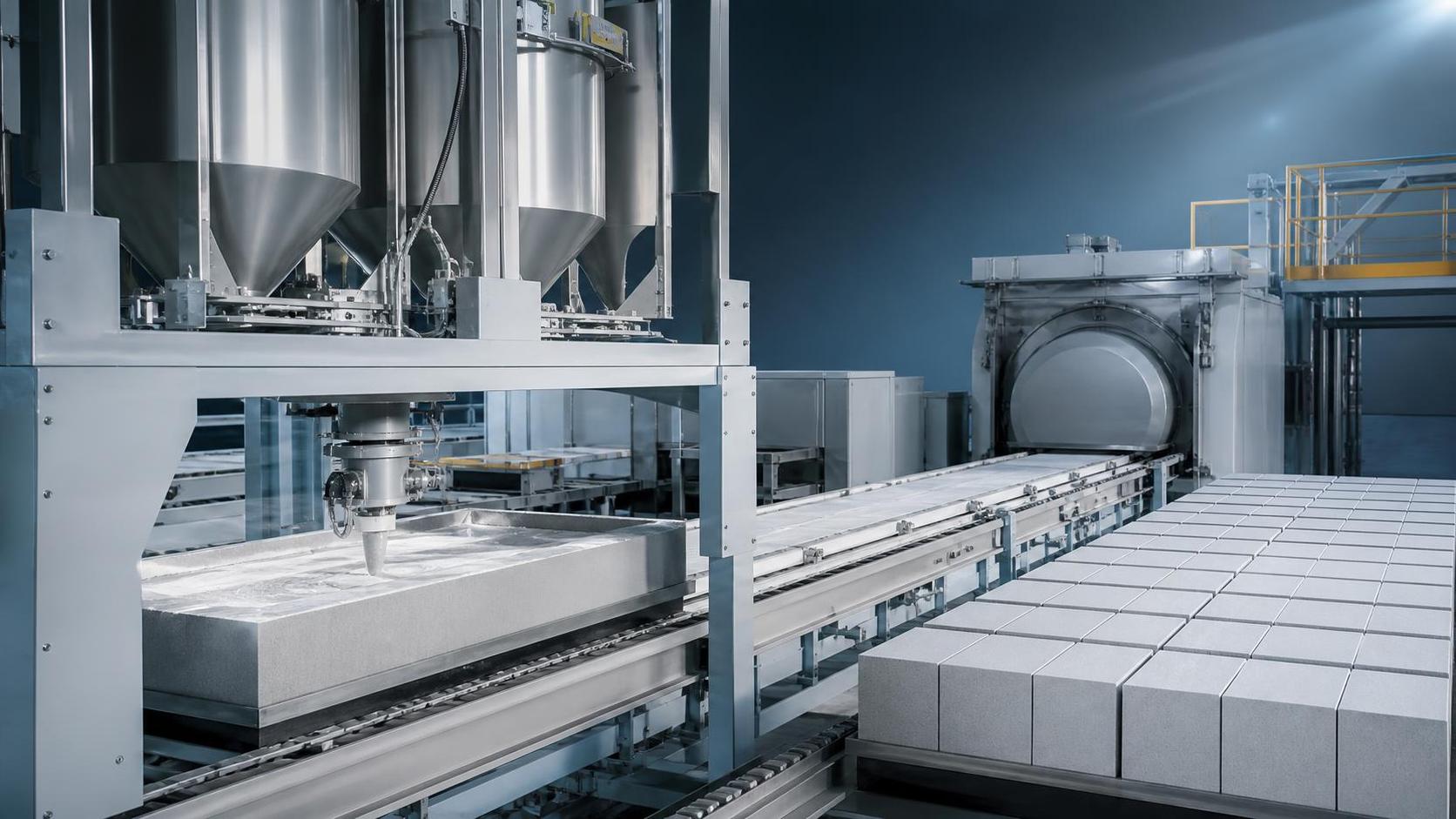
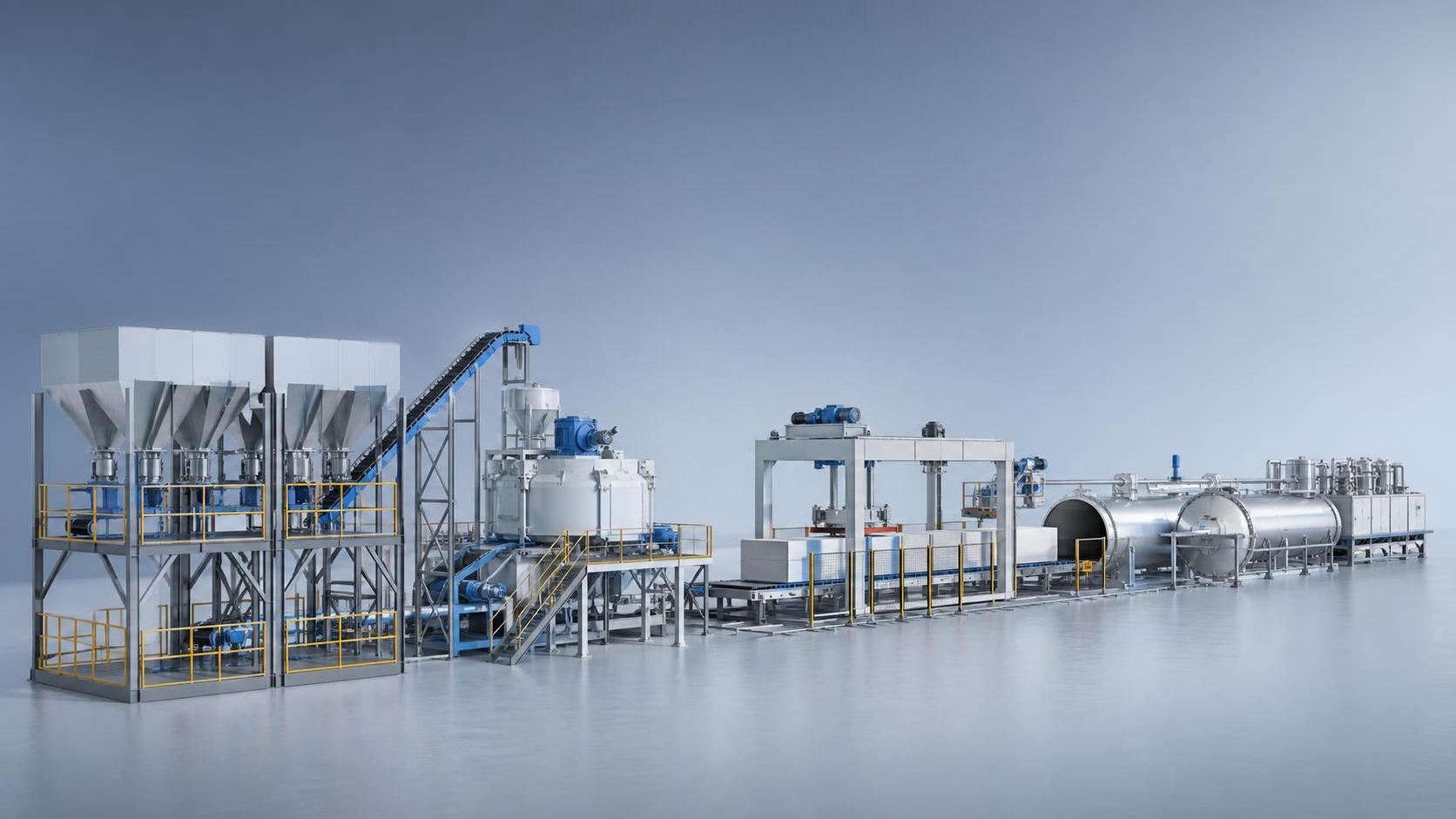
One point often overlooked: a reliable AAC line is not just about the main machine. It is about the whole system working together. Cutting, autoclaving, batching, curing, and handling all need to stay aligned. Hongfa’s background in integrated building materials machinery is relevant here because the supplier is positioned to think in production-system terms, not just individual components.
Hongfa AAC block production line overseas reliability in real comparison
Compared with smaller vendors, Hongfa usually has an advantage in engineering depth and manufacturing scale. That can help with consistency, especially when a buyer needs a line built for continuous operation rather than trial production. Larger suppliers are also more likely to have documented quality tracking, which matters when troubleshooting a future fault.
Compared with the biggest global automation brands, the comparison is different. Hongfa may not always be the first name buyers think of for highly customized digital control or premium automation layers. But that does not make it unreliable. It simply means overseas buyers should evaluate the line by project fit, not brand fame alone. If the project needs a practical AAC production setup with solid mechanical stability, clear configuration, and supportable maintenance, Hongfa can be a sensible choice.
Compared with low-cost exporters, Hongfa’s value is easier to understand. Lower-priced equipment often hides risk in steel quality, control systems, spare parts compatibility, or weak after-sales follow-up. In overseas projects, these issues usually show up after installation, not before. A supplier with a stronger quality system and more engineering staff can reduce that risk, even if the initial price is not the cheapest.
If you want a short answer: Hongfa looks reliable for overseas AAC projects when the buyer values stable production, structured manufacturing, and long-term serviceability more than the lowest upfront price.
Where the line tends to work well
Hongfa AAC block production line overseas reliability is strongest in projects that have clear capacity targets, stable raw material supply, and a buyer willing to follow proper commissioning procedures. It suits investors who want a production asset, not a one-off machine purchase.
It is also a better fit when the local team can work with technical guidance during installation and trial runs. Overseas AAC plants do not fail only because of machine quality. They fail when alignment, curing control, or operating discipline is weak. A supplier with a strong engineering team helps reduce that gap, but the buyer still needs a serious implementation plan.
Where buyers should be cautious
Some people make the mistake of treating every AAC line as interchangeable. It is not. Local power standards, climate, labor skill, raw material properties, and building code expectations all affect performance. If a buyer wants the line to run in a remote region with weak logistics, limited maintenance talent, and slow spare-parts access, then even a good supplier needs a stronger support plan.
Another common error is judging reliability only by certificates or company size. Those are useful signals, but they do not replace a proper technical review. Ask what is included in the line, how control components are sourced, what wear parts need regular replacement, and how remote troubleshooting is handled. Those practical questions tell you more than a polished catalog.
For overseas projects, I would also verify whether the supplier can provide documentation in the right language, a clear installation sequence, and a realistic spare-parts list. These details do not sound glamorous, but they decide whether the plant starts smoothly or loses time after arrival.
What to check before placing an order
Before you move forward, review the complete project picture, not just the equipment model. Confirm the expected block size range, daily output target, autoclave configuration, raw material formula, and local utility conditions. Then ask how the supplier handles commissioning, training, and after-sales response.
For Hongfa in particular, the company’s size, engineering team, and technical background are positive signs. Its “quality tracking” approach and research capability also suggest that reliability is treated as a manufacturing discipline, not a slogan. Still, the final answer depends on your project details. A line can be a strong fit for one country and awkward for another if the site conditions are very different.
That is the most honest way to look at Hongfa AAC block production line overseas reliability: promising on paper, credible in manufacturing depth, and practical for overseas use when the project is properly specified and supported. The supplier matters, but the match between supplier and project matters more.
If you are comparing AAC line vendors for an overseas plant, start with serviceability, spare parts access, and commissioning support. Once those are clear, Hongfa can be evaluated as a real industrial option instead of just a brand name.
FAQ
Is Hongfa a good choice for first-time overseas AAC projects?
Yes, if the project is technically straightforward and the buyer is ready to follow a structured installation and training process.
Does a larger manufacturer always mean better reliability?
Not always, but it usually improves the odds of better engineering support, quality control, and spare-parts continuity.
What matters more than price in an overseas AAC line?
Commissioning support, wear-part supply, and how well the line matches local raw materials and operating conditions.
Should buyers request technical documents before signing?
Yes. A serious supplier should provide clear process, installation, and maintenance information before the order is finalized.
Can Hongfa equipment run in different overseas climates?
It may be suitable, but climate, humidity, and site logistics should be reviewed during technical planning, not after delivery.
Recommend
 Sep 23, 2026
How automatic AAC production line stability affects block quality
Automatic AAC production line stability directly shapes block strength, density, and dimensions. Learn how tighter process control reduces defects, waste, and safety risks.
- Sep 23, 2026
What to check before buying autoclaved aerated concrete equipment
Autoclaved aerated concrete equipment buying guide: learn what to check on line balance, raw materials, energy use, maintenance, and support before choosing a reliable AAC solution.
- Sep 24, 2026
How to reduce downtime caused by worn AAC plant machinery
AAC plant machinery downtime can be cut by spotting wear early, prioritizing critical parts, and using smarter maintenance strategies to keep production stable and costs under control.