



What drives the energy consumption of a lightweight wall panel machine?
Energy consumption in a lightweight wall panel machine is driven by the full production cycle, not by the nameplate rating of its main motor alone. A line with a larger installed power figure can use less electricity per square meter of acceptable panel when its mixers, conveyors, forming section, cutting equipment, and curing process operate with fewer idle periods and less rework. Conversely, a modest machine can produce a high unit energy cost when material flow is interrupted, moisture control is poor, or the line repeatedly starts and stops.
The most useful cost figure is therefore energy per accepted unit of output: kilowatt-hours per square meter, per panel, or per cubic meter of finished product, matched to the specified thickness, density, strength, and moisture condition. Total monthly electricity use is still relevant for utility planning, but it can hide whether consumption rose because output increased, because scrap increased, or because the line spent too much time energized without producing saleable panels.
Installed power and actual load are different numbers
A lightweight wall panel line commonly combines several electrical loads: raw-material feeding, batching, mixing, slurry or concrete transfer, mold movement, extrusion or pressing, cutting, stacking, pumping, ventilation, and control systems. The installed capacity is the sum of the motors and auxiliaries that could run, while actual demand reflects which components run together, their duty cycle, and the resistance they work against.
The mixing stage often creates brief but heavy demand. High-viscosity formulations, fiber additions, poor aggregate grading, or inaccurate water dosing increase mixing torque and extend batch time. That creates two linked costs: the mixer draws power for longer, and downstream equipment waits with some drives, pumps, and controls still energized. Reducing batch time by simply adding water is not necessarily an energy improvement, because a wetter mix may require more curing energy, cause dimensional instability, or lead to rejected panels.
Forming power depends on the technology used. A press or compaction system draws more force when the material is denser, the mold is poorly lubricated, or the feed is uneven. Extrusion-based equipment responds strongly to mix consistency, screw condition, and die resistance. Conveyors usually consume less power than forming equipment, yet their operating logic matters: continuously running transfer equipment during long gaps can create a persistent base load that is easy to overlook.
Motor ratings should be read alongside measured current, operating hours, start frequency, and load profile. A large motor operating steadily within an efficient load range can be preferable to an undersized motor that runs hot, trips, or forces slow production. At the same time, oversized motors on lightly loaded, fixed-speed duties waste energy through low-load efficiency and unnecessary mechanical losses. The correct comparison is not “smaller motor versus larger motor”; it is whether each drive matches its real duty.
Curing can dominate the energy account
Fresh panels need conditions that allow the binder system to develop the required properties. Where heat, steam, hot water, dehumidification, or forced-air circulation is used, the curing area may consume as much energy as the forming line or more. The result depends on panel formulation, initial moisture, panel thickness, production schedule, ambient temperature, insulation of the curing enclosure, and the required release or delivery condition.
A frequent budgeting error is to treat curing as a fixed energy amount per batch. It changes with loading density and thermal losses. A chamber partially filled with panels still loses heat through its walls, doors, ductwork, and exhaust paths. Frequent opening of doors, unsealed gaps, and poorly arranged racks increase heat loss and create uneven curing. Operators may then lengthen the cycle to protect the least-cured panels, adding energy to every panel in the chamber.
Shortening curing time also has limits. A panel that is removed too early can crack during handling, warp during storage, or fail a later quality check. The energy assigned to a rejected panel includes all power already used in mixing, forming, transport, and curing, plus the energy required to remake it. A lower curing setpoint or shorter residence time should be evaluated against accepted output, not against the curing meter alone.
Some systems rely more heavily on ambient curing. Their direct electrical demand may be lower, but output becomes more sensitive to weather, space availability, and the time panels occupy molds or racks. If slower strength development constrains throughput, the line may run longer shifts or require additional handling. Electricity is reduced in one process step, while labor, floor space, inventory time, and indirect energy rise elsewhere. These effects belong in the same operating-cost model.
Material design changes the power required to make the same panel size
Lightweight wall panels can use cementitious mixes, foamed materials, expanded aggregates, fibers, mineral fillers, or layered structures. Material density is not a complete proxy for energy use. A lower-density formula may reduce conveyor loads and the force required during forming, yet it can demand more precise batching, longer mixing, controlled foam generation, or careful handling before the panel gains strength.
Moisture is especially influential. Excess process water increases pumping and mixing ease at first, but it must later leave the panel through drying or curing. Insufficient water may cause poor workability, incomplete compaction, weak bonding, and higher motor load. The target is a stable moisture window that supports consistent forming and avoids transferring unnecessary water into an energy-intensive downstream stage.
Raw materials also affect equipment resistance. Variations in sand fineness, filler moisture, fiber length, or recycled-material contamination can change mixer behavior and block transfer points. When a batch no longer flows predictably, the response is often to increase mixing time or run pumps and conveyors longer. A better response is to separate material-related variation from machine-related problems through batch records, moisture checks, and inspection of wear surfaces.
Throughput determines whether idle consumption is diluted or amplified
Every line has an energy baseline: control cabinets, hydraulic cooling, compressors, pumps, lighting around the process area, ventilation, and standby equipment continue to draw power while output is low. This makes unit consumption highly sensitive to throughput. A shift producing fewer panels does not reduce electricity in direct proportion, because a substantial share of demand remains.
However, maximum output is not automatically the low-energy operating point. Running above the stable rate can cause inaccurate filling, poor edge definition, cutter delays, mold jams, or congestion at the stacking section. Small disruptions are expensive because the equipment around the fault remains active and because affected panels may be downgraded or scrapped. The practical target is the highest sustained rate at which mixing, forming, curing, and handling remain synchronized.
Compressed air, hydraulics, and material handling deserve separate attention
Compressed air is frequently treated as a minor utility, yet leaks, excessive pressure settings, and frequent cylinder cycling can make it a meaningful hidden load. Air used for cleaning should be controlled carefully; unrestricted blow-off consumes energy and can push dust into sensors, guides, and moving components. Pneumatic failures also create delays that are far more costly than the compressed-air meter suggests.
Hydraulic systems need similar scrutiny. High oil temperature, relief-valve bypassing, contaminated filters, internal leakage, and poorly tuned pressure settings cause energy to turn into heat instead of useful movement. A hydraulic power unit that remains running during extended pauses is a visible opportunity for control improvement, provided restart requirements and process stability are respected.
Material handling energy rises with unnecessary travel, poor layout, and repeated repositioning. A panel moved several times before curing or storage carries a cumulative conveyor, lift, and handling burden. It also faces more opportunities for corner damage. Layout changes should be assessed against flow reliability, not only against the kilowatt rating of each conveyor or lifting device.
Automation affects energy through control quality, not simply through equipment count
Additional sensors, drives, and controls add a small electrical load, but well-designed automation can reduce much larger losses. Accurate weighing prevents over-batching. Moisture feedback stabilizes water addition. Variable-speed control can match pump and conveyor output to the actual process rate. Interlocks can prevent downstream equipment from running when no panel is present.
Automation is not inherently efficient when the process data are unreliable. A moisture probe that is not maintained, a scale that drifts, or a control setting copied from a different mix design can create rapid, repeated error. The line may look automated while producing inconsistent material that needs reprocessing or extended curing. Meter readings should be reviewed with batch quality records, downtime codes, and rejected-output reasons; an electricity trend without production context rarely explains the cause.
Use a production boundary before comparing equipment options
Energy claims are only comparable when the boundary is consistent. One quotation may include batching, mixing, forming, and cutting, while another excludes compressors, curing equipment, dust collection, water circulation, or downstream stacking. The lower figure may describe a narrower package rather than a more efficient process.
Set the comparison boundary around the work that will actually occur at the site. Record the incoming materials, target panel dimensions and density, expected daily operating hours, curing method, utility voltage, compressed-air source, and material-handling arrangement. Then request a load schedule that distinguishes connected load, normal simultaneous load, intermittent load, and standby load. These categories support a more realistic estimate of transformer capacity, cable sizing, peak demand, and energy per accepted product.
Maintenance assumptions belong in the same evaluation. Worn mixer blades, damaged molds, misaligned cutters, dragging bearings, leaking air lines, and fouled cooling circuits gradually increase power use before they cause a complete stoppage. Trend data from sub-meters can expose this drift. A rising kWh-per-panel value alongside unchanged panel specifications often signals process resistance, downtime, or quality loss rather than a tariff issue.
When reviewing adjacent concrete-product equipment, the same discipline applies: define the production boundary, separate active load from standby demand, and link electricity to accepted output. For a related reference point in no-pallet production, see the QMJ-6A no pallet egg laying block machine; its utility requirements should still be assessed against its own material flow, forming cycle, and site layout rather than transferred directly to wall panel production.
Recommend
 Oct 18, 2026
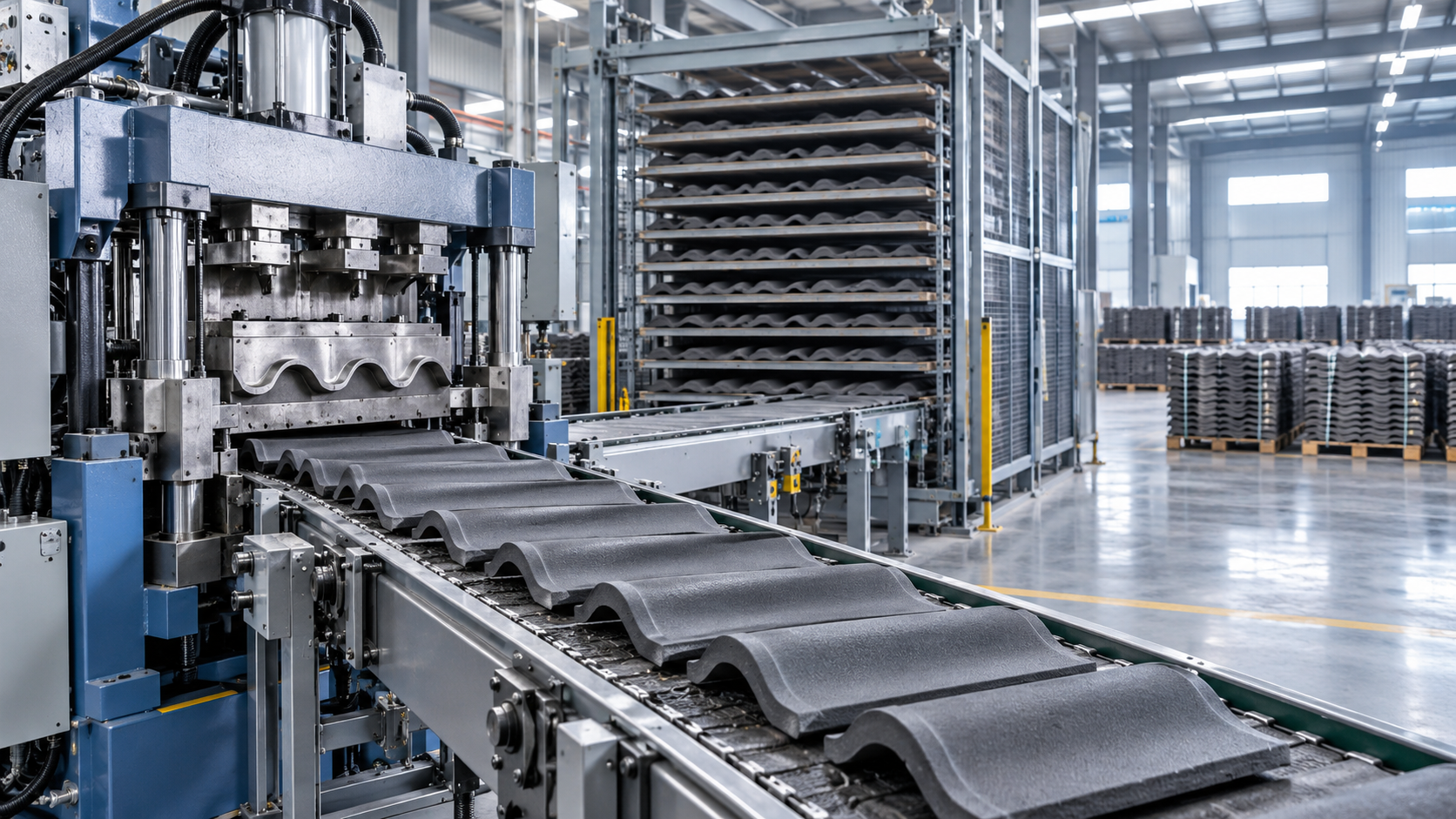
What Capacity Should a Roof Tile Making Machine Have for a Small Business?
What capacity should a roof tile making machine have for small business? Discover how to match output with demand, labor, curing space, and scalable growth for profitable production.
- Oct 17, 2026
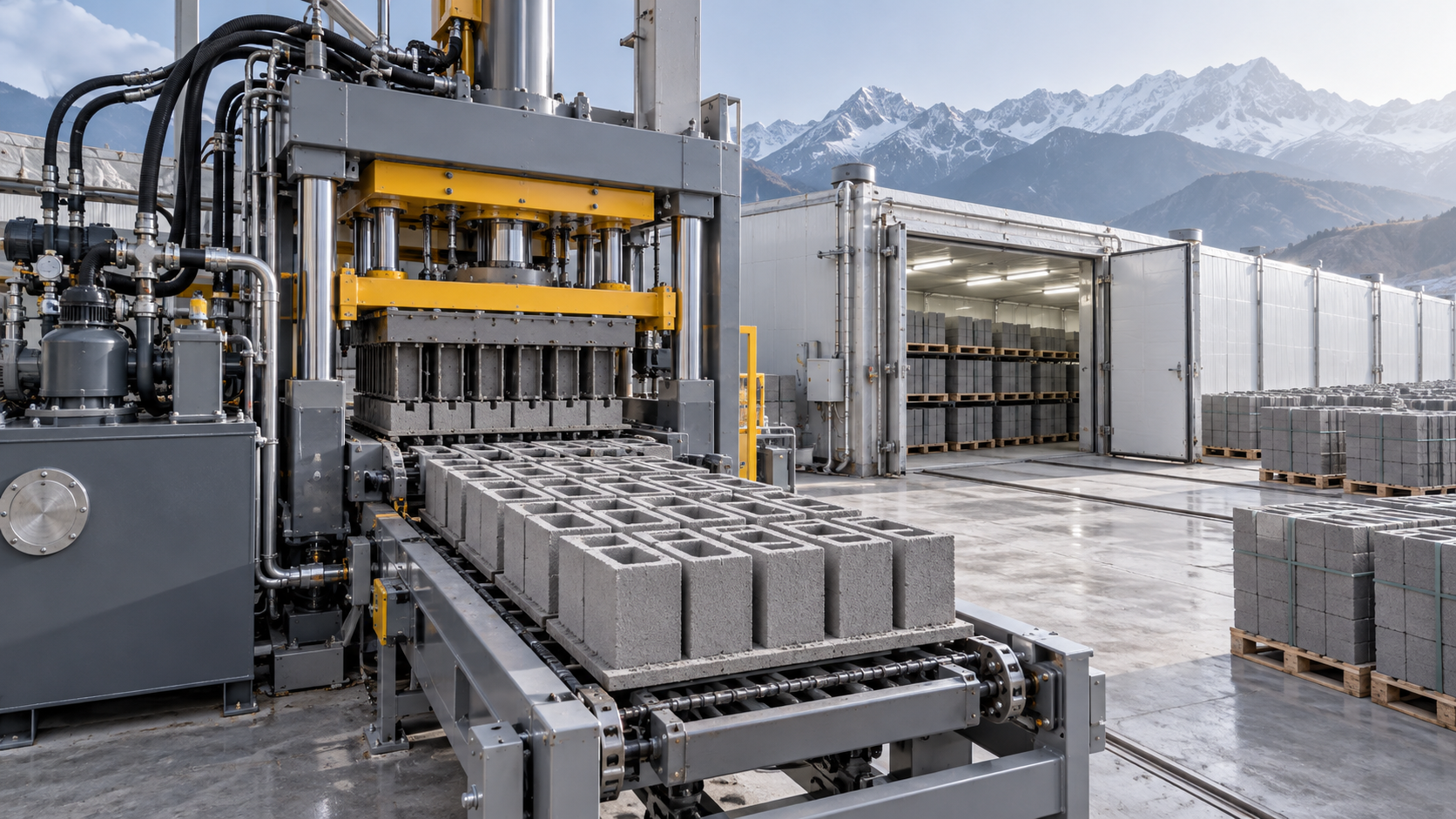
Is a Hydraulic Brick Making Machine Suitable for High-Altitude Areas?
Is a hydraulic brick making machine suitable for high-altitude areas? Explore climate-ready configurations, curing solutions, and reliable production tips.
- Oct 16, 2026
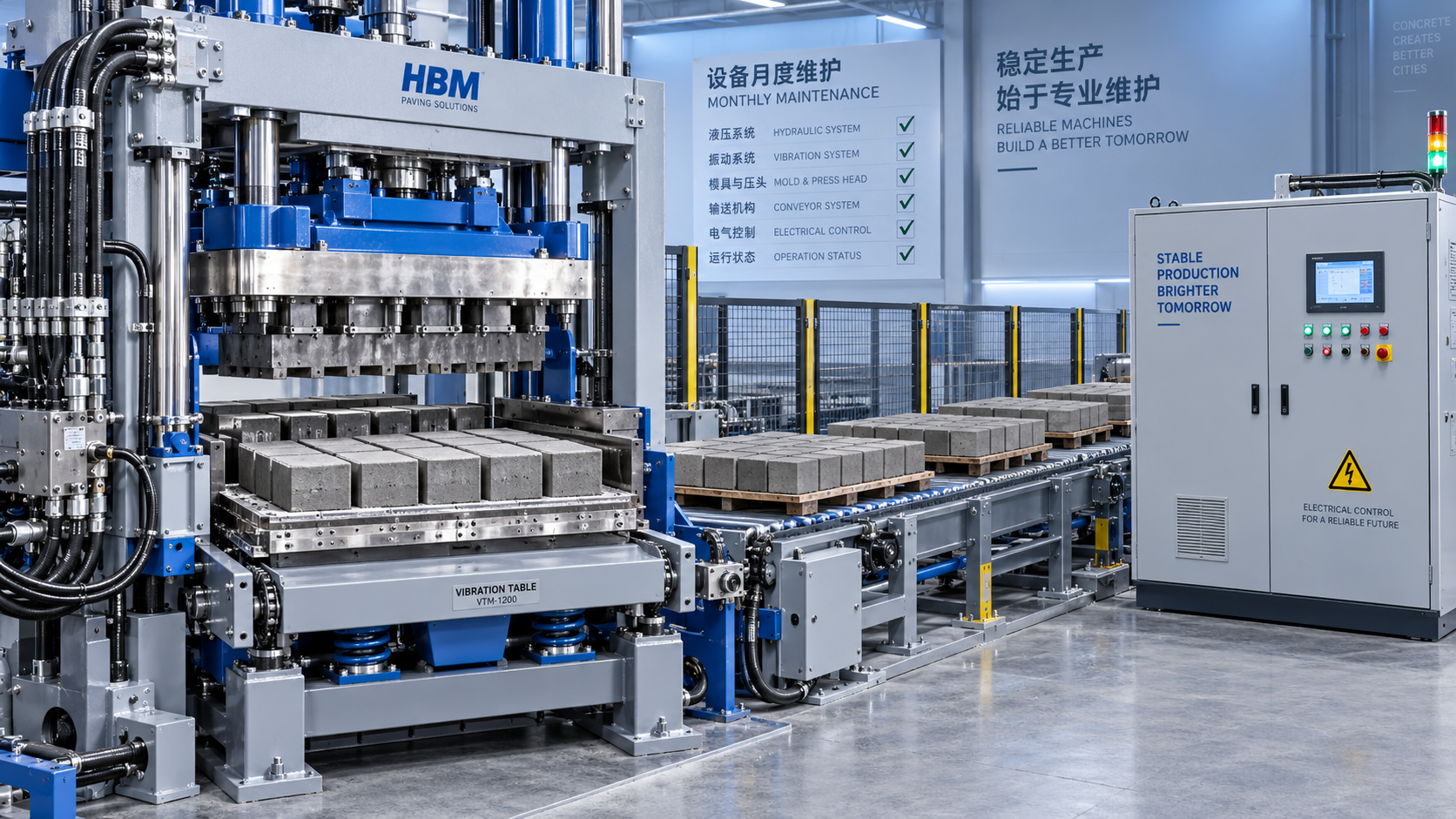
What Monthly Maintenance Does a Paving Block Machine Need?
What maintenance does a paving block machine need monthly? Discover essential checks for hydraulics, molds, vibration, safety, and reliable block quality.