



Key Maintenance Points That Affect the Service Life of Autoclaved Aerated Concrete Equipment
In many AAC plants, the first warning sign is not a complete shutdown but a series of small problems: unusual noise from the mixer, slower mold turnover, unstable cutting quality, steam system fluctuation, or repeated replacement of wearing parts. For maintenance teams and production managers, these issues are frustrating because they often build up quietly and then turn into lost output, rushed repairs, and avoidable safety risks.
The service life of autoclaved aerated concrete equipment is shaped by daily habits more than many people expect. Machine design matters, but so do lubrication intervals, alignment checks, cleaning routines, operating discipline, and the speed at which minor faults are corrected. If you are responsible for keeping a line stable, it helps to treat maintenance as a process of early judgment rather than a reaction after failure.
Why small maintenance gaps become expensive on an AAC line
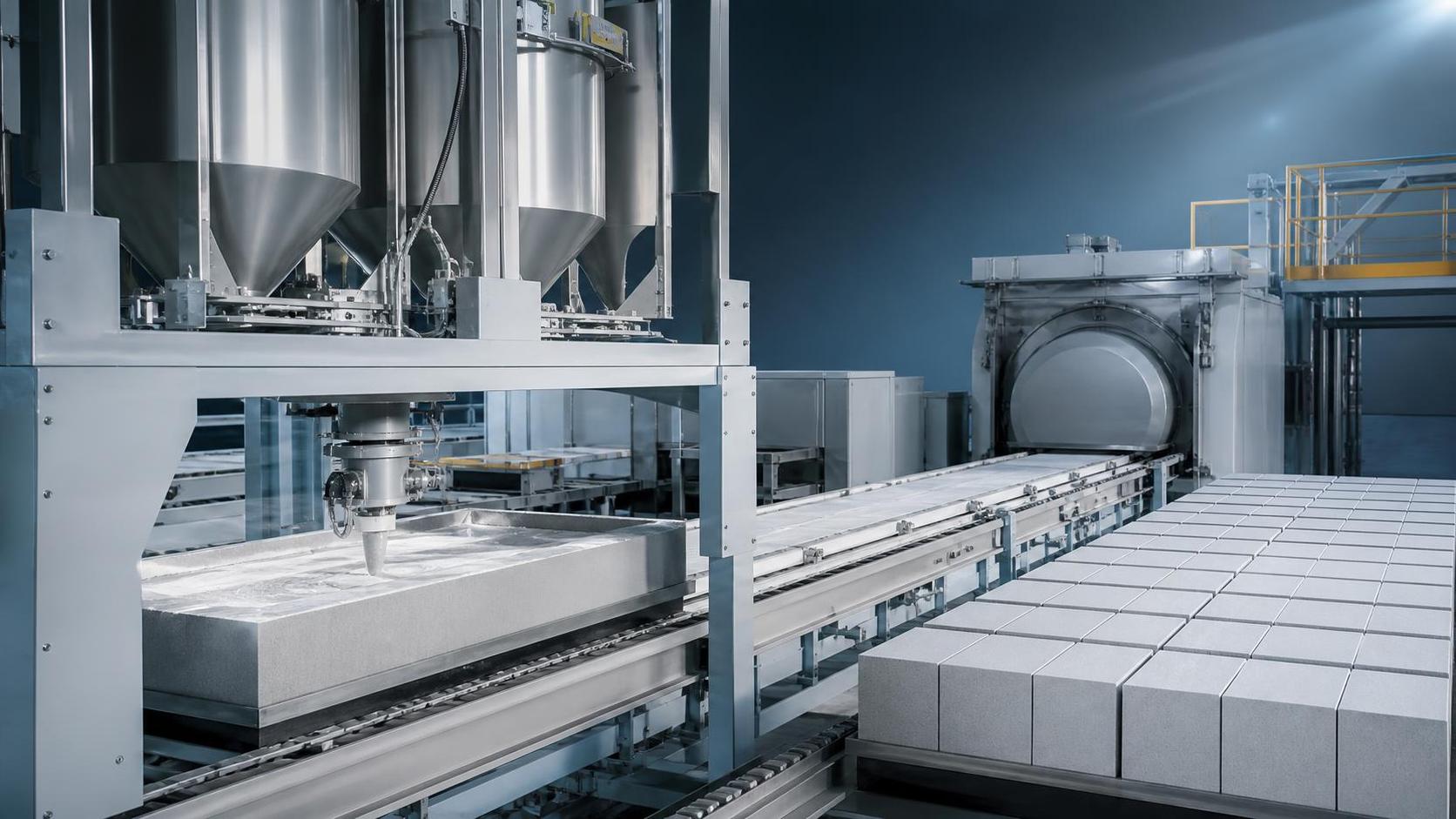
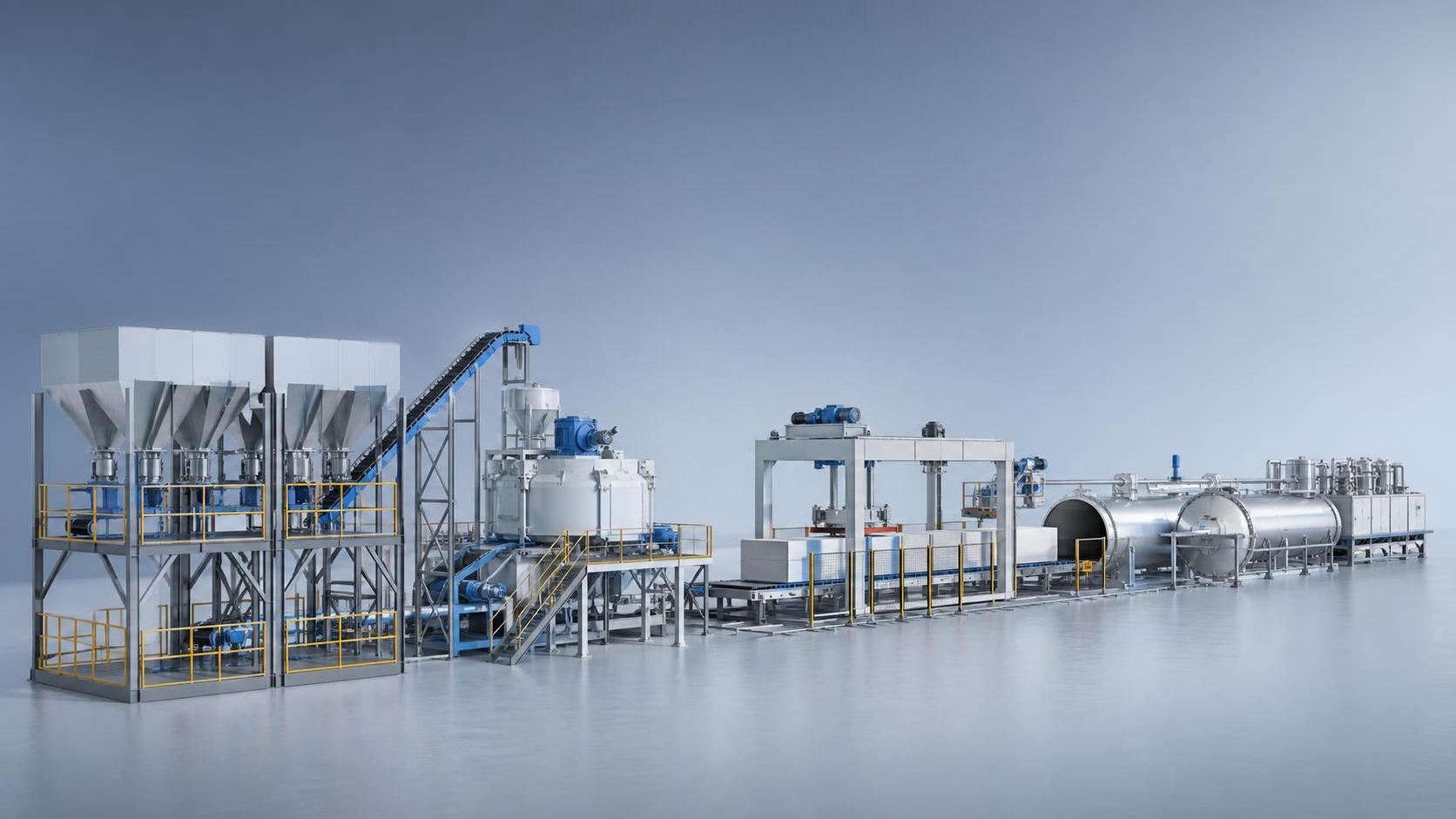
Autoclaved aerated concrete equipment works as a connected system rather than a group of separate machines. Raw material batching affects slurry consistency, slurry consistency affects pouring and pre-curing behavior, pre-curing affects cutting stability, and cutting quality affects autoclave handling and finished block consistency. Because of that chain effect, one neglected maintenance point can travel through the entire line.
A common situation is that teams focus only on major equipment such as the autoclave, cutting machine, molds, or mixers, while smaller points are ignored. Loose fasteners, blocked lubrication passages, sensor drift, rail contamination, or steam valve wear may seem minor on their own. In practice, they often cause vibration, uneven movement, inaccurate positioning, or pressure instability. Once that happens, production quality and equipment life start affecting each other.
This is why many maintenance problems on an AAC line feel repetitive. A bearing fails, it is replaced, and then the same location fails again a few weeks or months later. The replacement part may not be the real issue. Misalignment, overload, poor cleaning, overheating, or inconsistent operation may be shortening the life of the new part before it has a fair chance to perform normally.
Common misconceptions about autoclaved aerated concrete equipment maintenance
One common misunderstanding is that equipment only needs attention when there is a visible fault. This approach usually increases repair costs because many failures begin as measurable changes, not dramatic events. Abnormal temperature rise, slower response, irregular lubrication color, pressure fluctuation, and gradual wear marks are often the earlier signs.
Another mistake is assuming that stronger lubrication always means better protection. Over-lubrication can also create problems, especially around bearings, chains, and moving guides. Excess grease may attract dust, harden over time, or raise operating temperature. For autoclaved aerated concrete equipment, the goal is not maximum lubrication but correct lubrication type, quantity, and interval.
Some teams also separate mechanical maintenance from operating behavior too sharply. In reality, rough loading, rushed starts and stops, poor mold cleaning, or inconsistent feed conditions can reduce service life even when the machine itself is mechanically sound. Good maintenance only works when it is matched with stable operating practice.
Where to check first when service life starts dropping
When autoclaved aerated concrete equipment begins showing repeat faults, it helps to inspect the line in layers instead of jumping straight to part replacement. This makes the cause easier to isolate.
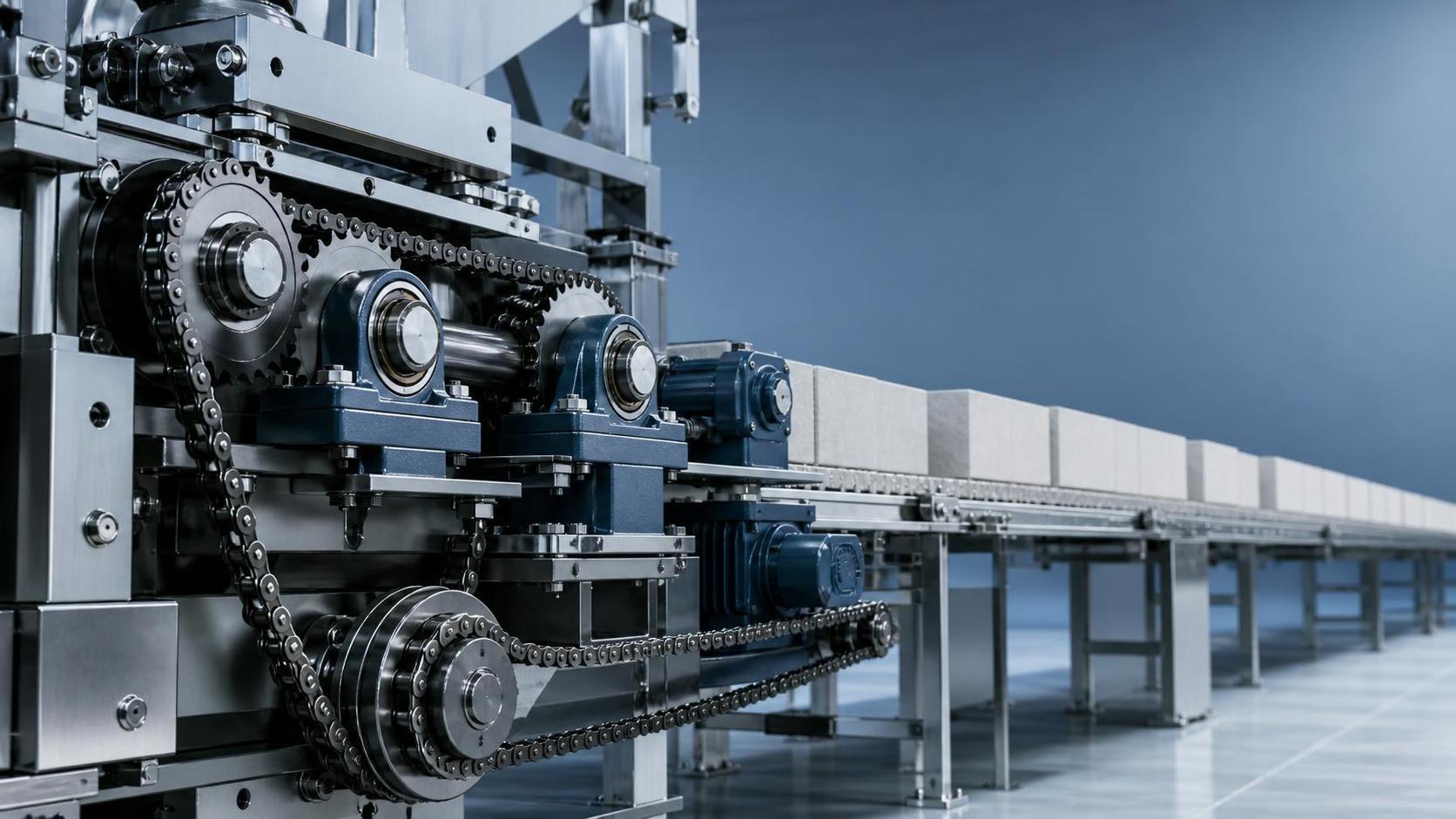
- Start with motion and load conditions. Check whether motors, reducers, chains, rails, rollers, and transmission points are working under normal resistance. Unexpected drag often signals contamination, misalignment, or mechanical interference.
- Review lubrication history. Confirm whether the correct lubricant is being used at the correct interval. Look for dry surfaces, contaminated grease, leakage, or signs of over-application.
- Inspect alignment and fixation. Even slight deviation in guides, molds, cutting frames, or transfer rails can create repeated stress on bearings, shafts, and moving assemblies.
- Check process-related wear sources. Residual slurry, dust buildup, steam condensate, and scale can gradually affect sensors, valves, tracks, and contact surfaces.
- Compare operating records with maintenance records. If a problem appears after operator changes, process adjustments, or increased production rhythm, the root cause may be connected to usage pattern rather than component quality alone.
This method usually saves time because it avoids treating every fault as an isolated event. On an AAC line, the repeated failure point is often only the symptom.
Key maintenance points that directly affect service life
Although every plant has its own layout, several maintenance areas consistently matter most for autoclaved aerated concrete equipment.
1. Lubrication discipline
Lubrication should be based on the actual working condition of each point. Components exposed to heat, slurry dust, vibration, or heavy load may need closer monitoring than components in cleaner positions. What matters is consistency: clean grease points before application, use the specified lubricant type, and avoid mixing products without confirmation. If a lubrication point regularly runs hot or noisy, that should trigger an inspection rather than another immediate refill.
2. Cleaning of slurry, dust, and residue
AAC production environments create residue that can harden, trap moisture, or interfere with movement. Molds, rails, guide surfaces, transfer areas, and cutting stations should be cleaned with a routine that is practical enough to be followed daily. Cleaning is not only about appearance; it prevents abrasive wear, false sensor signals, and increased running resistance.
3. Alignment of moving systems
Tracks, cutting wires or related cutting assemblies, mold positioning systems, and transfer mechanisms all depend on stable alignment. If movement becomes uneven, the extra force usually appears somewhere else first, often in bearings, couplings, chains, or motor load. Checking straightness, levelness, tension, and fixation points can extend the life of multiple assemblies at once.
4. Steam and pressure-related components
For sections involving autoclaving, steam valves, seals, piping, pressure control elements, and condensate management deserve regular inspection. Leakage, stuck valves, unstable pressure response, or poor drainage can affect process consistency and increase thermal stress on surrounding equipment. Teams sometimes focus only on the vessel itself, but the connected accessories often determine how smoothly the system actually operates.
5. Electrical and control stability
Service life is not only a mechanical question. Faulty limit switches, drifting sensors, loose terminals, damaged cable protection, and unstable control responses may cause repeated impact, wrong positioning, or unnecessary stopping cycles. In practical terms, electrical inconsistency often shows up later as mechanical wear.
6. Timely replacement of wear parts
Wearing parts should not always be run to their limit. Once a part starts affecting alignment, vibration, surface contact, or positioning accuracy, delaying replacement can damage more expensive components around it. The better approach is to define a replacement judgment standard based on wear condition and running behavior, not just calendar time.
A workable maintenance routine for production and after-sales teams
Many teams already know what should be checked, but the real challenge is turning that knowledge into a routine that people can actually follow. A practical structure often works better than a very detailed checklist that no one updates.
- Set three inspection levels. Divide tasks into daily, weekly, and monthly items. Daily checks should be short and visual. Weekly checks can include lubrication, fastening, and cleaning verification. Monthly checks should cover alignment, wear measurement, and control system review.
- Record abnormal signs, not just completed tasks. A simple note such as “left rail noise increased” or “valve response delayed” is often more valuable than marking a task as done.
- Link maintenance with operator feedback. Operators often notice speed change, noise, or movement irregularity before failure occurs. Their observations should feed into maintenance planning instead of staying informal.
- Review repeat failure points every cycle. If the same component fails more than once, do not stop at replacement. Recheck loading, installation, matching parts, and process condition.
- Keep critical spare parts organized by failure priority. This reduces downtime and also helps teams identify which components deserve closer root-cause analysis.
In some plants, teams that also handle related block production equipment prefer to standardize maintenance habits across machine categories. For example, when organizing inspection routines for support machinery or auxiliary production units, some may also review equipment such as QMJ4-30 machines fabrication de blocs/block maker machine/brick making machine alongside AAC systems so lubrication records, wear tracking, and operator handover methods follow a more consistent format across the workshop.
How to avoid recurring damage instead of only repairing it
The most useful shift is to stop asking only, “Which part failed?” and start asking, “What operating or maintenance condition allowed this failure to develop?” That change in thinking usually improves service life faster than buying more spare parts.
To prevent recurring damage, maintenance teams should pay attention to fault patterns. If wear is always one-sided, look for alignment. If a bearing repeatedly overheats, check lubrication method, sealing, contamination, and shaft condition. If chains stretch too quickly, check tension, sprocket wear, and shock loading. If sensors fail frequently, inspect cable routing, dust protection, vibration, and cleaning method. These patterns point to system causes.
It also helps to define a clear stop-and-check threshold. Many machines continue running while giving early warning signs, and teams may hesitate to interrupt production. But allowing vibration, leakage, misalignment, or pressure instability to continue usually shortens the life of surrounding parts. A controlled pause for inspection is often less disruptive than an unplanned shutdown later.
Manufacturers with long-term involvement in building materials machinery, including companies such as Shandong Hongfa Scientific Industrial & Trading Co., Ltd., typically emphasize this same principle: service life depends on how design, maintenance discipline, and operating method work together. That perspective is more useful than treating maintenance as a separate department issue.
Common Questions
How often should autoclaved aerated concrete equipment be inspected?
There is no single interval that fits every line, but a layered routine works well: quick visual checks every shift or daily, more detailed lubrication and fastening checks weekly, and alignment, wear, and control reviews monthly. High-load or high-dust areas may need closer attention.
What is usually missed first in daily maintenance?
Smaller points are often missed first, especially rails, sensor condition, sealing, residue buildup, and early lubrication abnormalities. These are easy to overlook because the machine may still be running, but they often lead to larger failures later.
Is repeated part replacement a sign of poor part quality?
Not necessarily. Repeated failure often points to installation, alignment, contamination, overload, or operating issues. Before blaming the replacement part, check the surrounding working conditions.
Should maintenance standards be shared across different building material machines?
Yes, where practical. Standardizing records, lubrication control, inspection logic, and operator handover can improve maintenance discipline across the workshop. Even when equipment types differ, the habit of tracking repeat faults and wear trends remains useful.
Conclusion
The service life of autoclaved aerated concrete equipment is rarely decided by one dramatic event. More often, it is shaped by routine judgment: whether residue is cleaned before it hardens, whether alignment is checked before wear spreads, whether lubrication is controlled instead of guessed, and whether repeat failures are investigated at the system level. For teams responsible for uptime, the most effective approach is a maintenance routine that is simple enough to execute, detailed enough to catch early signs, and strict enough to prevent the same fault from returning.