



What CE Requirements Apply to Autoclaved Aerated Concrete Equipment?
What CE requirements usually apply to autoclaved aerated concrete equipment?
CE requirements for autoclaved aerated concrete equipment usually depend on what the equipment is, how automated it is, and whether it is supplied as a single machine or a complete production line. In most cases, the key issue is not “Does AAC equipment need CE?” but “Which EU directives and technical documents apply to each machine, assembly, control system, pressure-related part, and safety function?”
This matters because a wrong early judgment can create expensive redesign, control-system changes, missing guards, document gaps, or delayed market entry. The most useful starting point is to classify the equipment correctly, then check machinery safety, electrical safety, pressure-related obligations, technical files, instructions, conformity assessment, and who carries legal responsibility when several machines are integrated into one line.
Does every AAC machine need the same CE treatment?
No. Whether CE requirements apply in the same way mainly depends on the machine’s function, risk profile, and delivery scope, so a cutter, mixer, control cabinet, conveying system, and autoclave usually should not be assessed as if they were identical products.
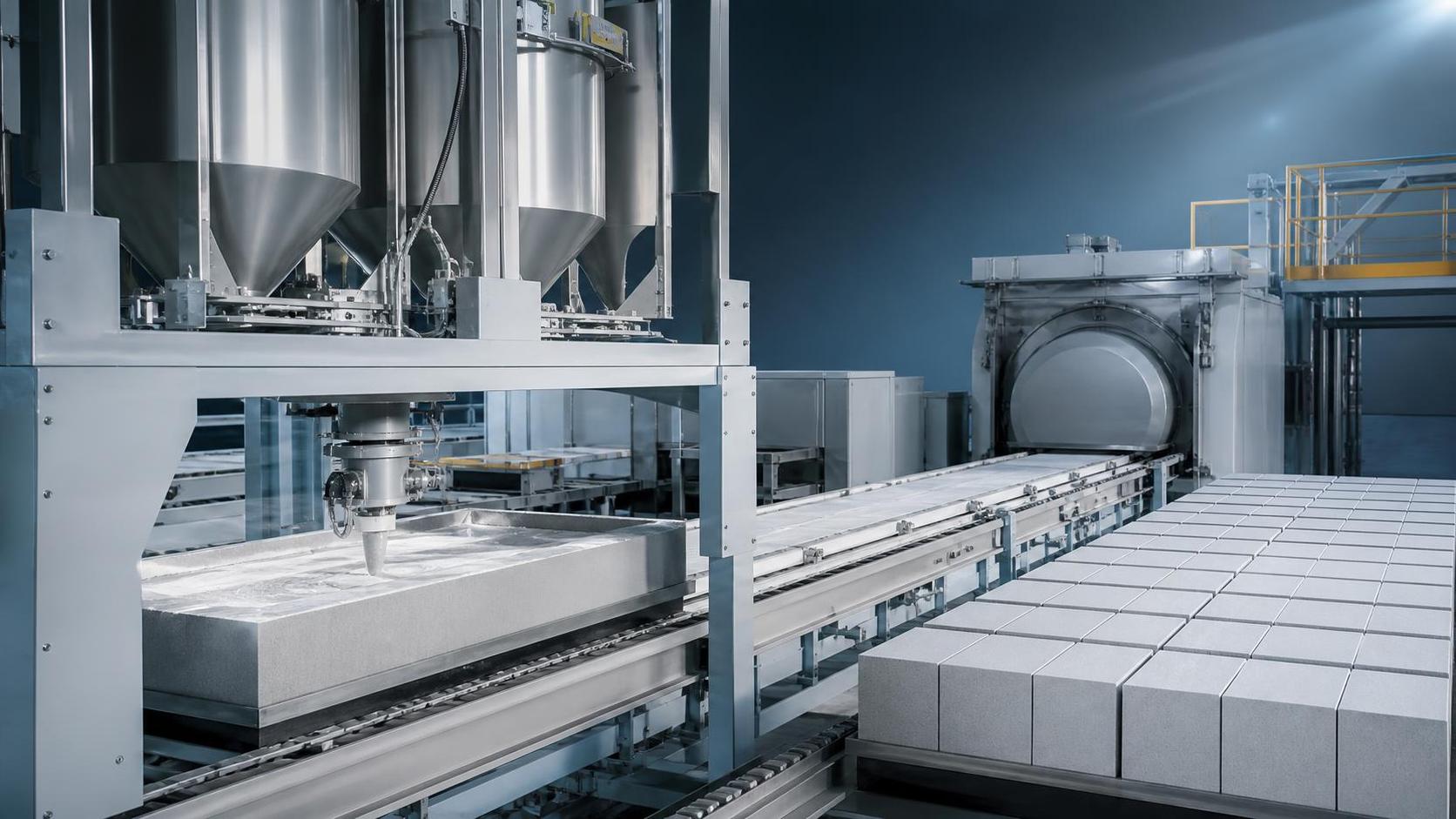
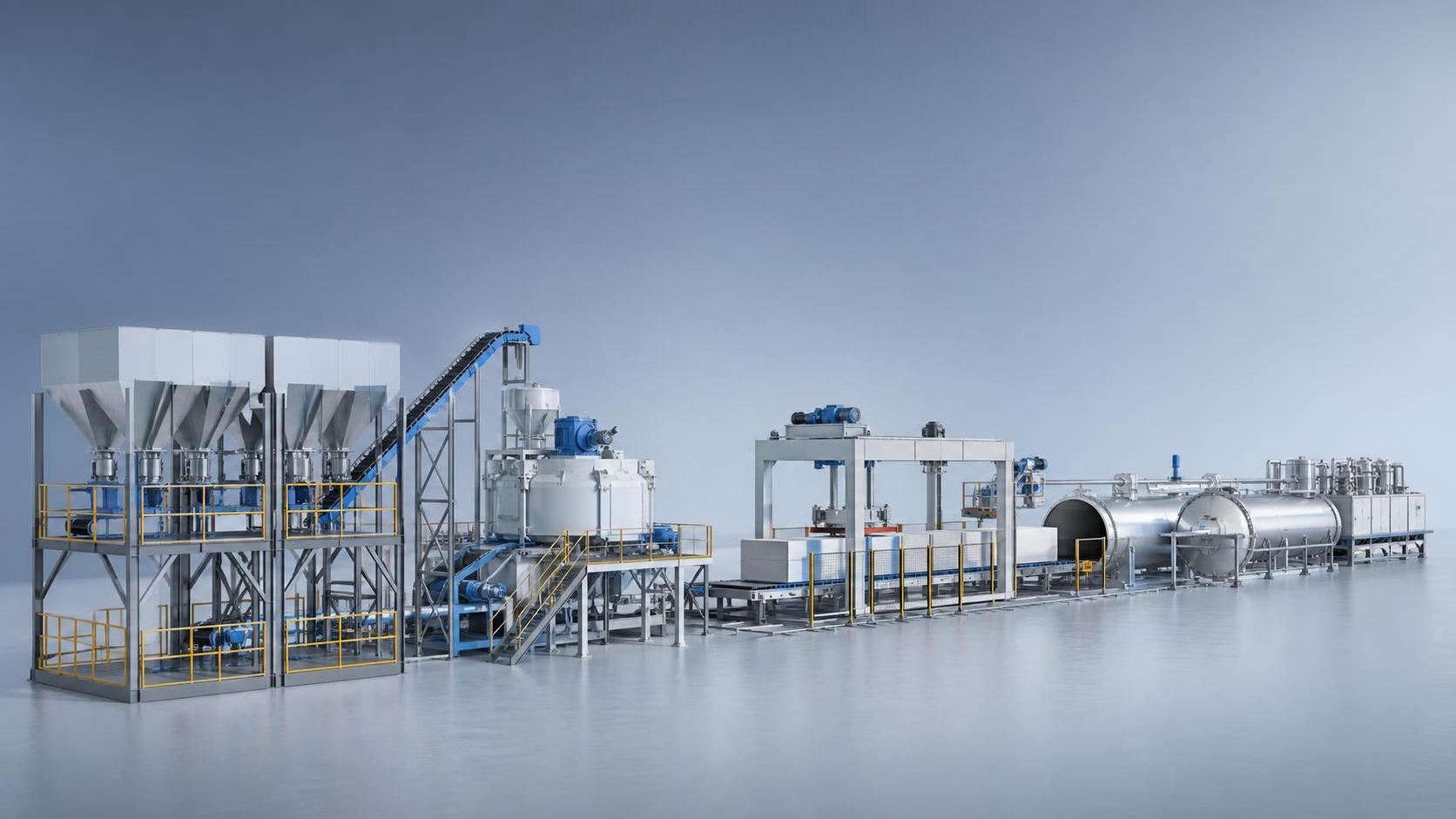
AAC equipment is usually made up of multiple functional units: raw material processing, batching, mixing and pouring, molding, demolding, cutting, autoclaving, conveying, and packaging. Some units are standard machinery with moving parts and guarding needs. Others involve electrical control systems, heat, pressure, or integration logic across the line.
The practical risk is over-simplification. If a supplier treats the whole project as one generic machine without checking each unit and the full line interface, the result may be incomplete documentation or unclear compliance responsibility after installation.
Which CE-related areas usually matter most for AAC equipment?
In most AAC projects, the main CE concerns are machinery safety, electrical and control safety, pressure-related compliance where relevant, technical documentation, user instructions, and the final conformity route for either individual machines or the integrated line.
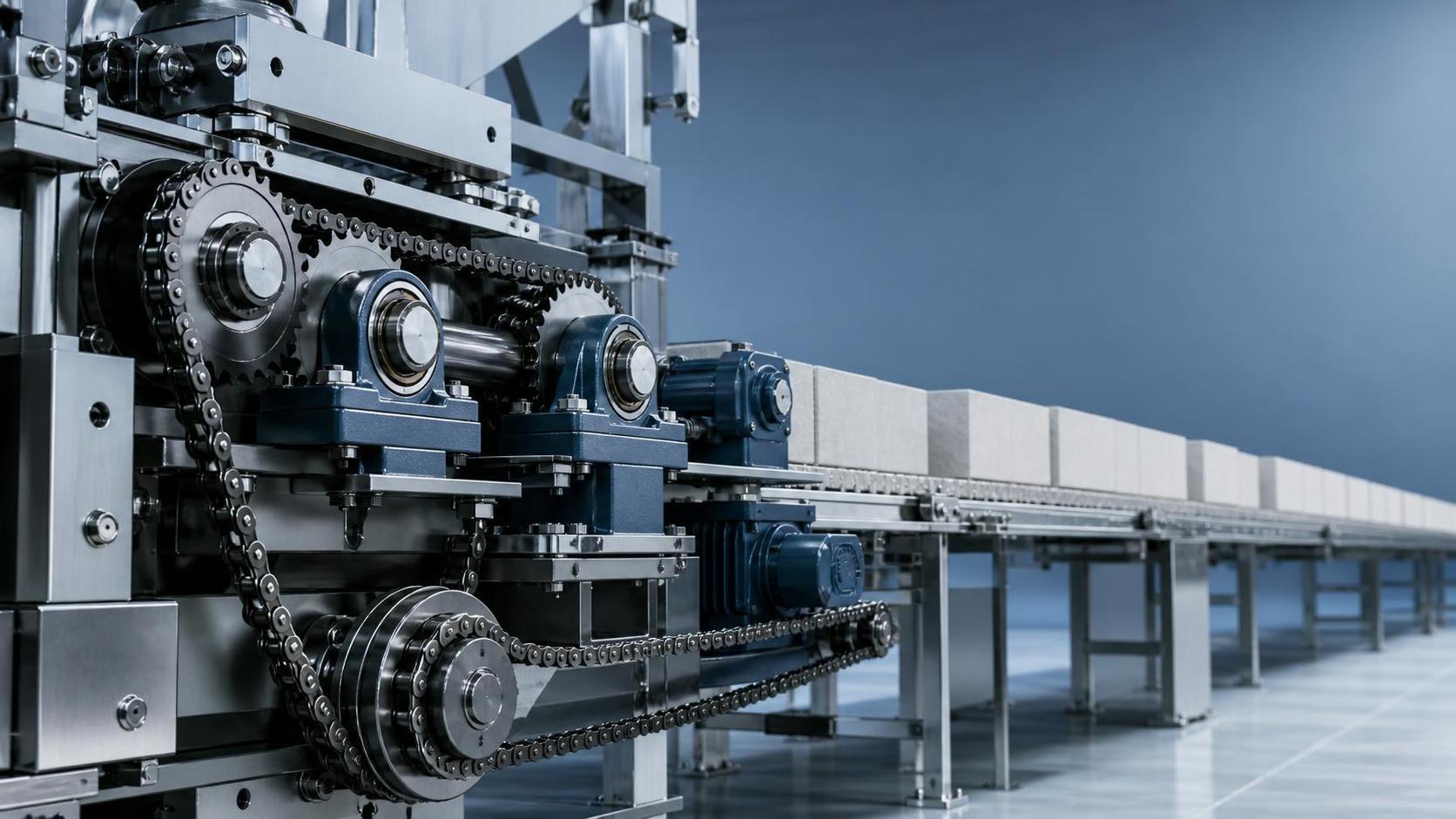
For moving and automated equipment, machinery safety is usually the core layer. This often includes risk assessment, guards, interlocks, emergency stops, safe access, lockout points, and foreseeable misuse. For electrically controlled systems, panel design, wiring, safety circuits, and control reliability usually need separate attention.
For autoclaves and related pressure systems, pressure-specific obligations may also apply, depending on the actual design and scope supplied. This is where buyers should be careful: pressure equipment cannot be treated as a normal conveyor or mixer. The exact route should follow the target market requirements and the actual product configuration.
The key takeaway is that CE work for AAC equipment is usually multi-layered. The real challenge is not a single label, but aligning machine design, controls, pressure scope, documents, and line integration from the beginning.
What should be confirmed before equipment design is frozen?
If the goal is to avoid costly rework, the compliance scope should usually be confirmed before final layout, guard design, control logic, pressure-component selection, and responsibility split are fixed.
Buyers often focus first on capacity, automation level, and factory layout. Those are important, but they do not replace compliance scoping. Before design freeze, it is usually necessary to confirm whether the supply is a single machine, a partly completed assembly, or a complete line ready for market placement in the EU context. That distinction can affect both the documentation route and who signs the final declaration.
It is also wise to define interfaces early: who supplies the autoclave, who integrates the PLC, who installs guards on site, who validates emergency stop chains, and who compiles the technical file. If these points stay vague, later disputes can slow commissioning and increase retrofit cost.
What usually causes the most expensive CE-related rework?
The most expensive rework usually comes from late safety integration decisions, especially when guarding, safe access, control logic, or pressure-related scope are addressed after manufacturing instead of before it.
A common issue is that a line is mechanically complete, but the final risk assessment shows unsafe pinch points, maintenance access hazards, or missing interlocks between sections. At that stage, even a small safety change can affect frames, platforms, cable routes, or software sequences across several machines.
Another frequent problem is documentation mismatch. If the instruction manual, drawings, component lists, and final wiring do not reflect the delivered system, the project may face compliance questions even when the equipment operates normally. The cost is not only paperwork; it can lead to repeated review and delayed handover.
What should be front-loaded is anything that changes hardware, safety logic, or legal responsibility. What can often be finalized later is formatting, document packaging, or translation, as long as the underlying engineering decisions were already correct.
Can some CE work be done later, after installation or commissioning?
Some compliance tasks can be completed later, but only if the core safety design, risk controls, and responsibility model were already defined correctly; post-installation work should usually refine and verify, not rescue a weak initial design.
In many projects, final line validation, as-built document updates, site-specific instruction details, and integration checks are completed near commissioning. That is normal because the final installed condition may differ slightly from factory drawings. However, this flexibility has limits.
If major hazards remain unresolved until site assembly, the project may face downtime and redesign. The safer approach is to separate what is inherently design-stage work from what is naturally site-stage work. Design-stage work usually includes risk reduction principles, control architecture, and component selection. Site-stage work usually includes final verification, installation-specific adjustments, and confirmation that the assembled line matches the intended safety concept.
How should buyers compare different CE delivery approaches for AAC equipment?
The better approach depends on whether the buyer wants single-machine sourcing, partial-line integration, or one coordinated line package, because CE responsibility, coordination burden, and rework risk usually increase as more integration work is left to the buyer or local contractor.
The main comparison is not only price. Buyers should compare where responsibility sits, how interfaces are managed, whether technical files are consistent, and how difficult future modifications will be. A lower initial equipment price can become less attractive if the buyer must later coordinate multiple documents, controls, and safety validations.
If the buyer has a strong internal engineering team and clear local compliance resources, phased sourcing can be workable. If the buyer wants lower coordination burden and clearer interface management, an integrated line approach is often easier to control.
The real decision point is responsibility. If no one clearly owns final risk assessment, control integration, and document consistency, CE work tends to become fragmented and more expensive later.
When is an integrated AAC line supplier a better fit?
A supplier is usually a better fit when it can support not only machine manufacturing but also line planning, integration logic, installation coordination, and documentation alignment. That matters more in AAC projects than in simple standalone machinery purchases, because the production line typically combines raw material handling, mixing, molding, cutting, autoclaving, conveying, and packaging into one operating system.
If the target user is building a new AAC plant, expanding capacity, or moving from fragmented sourcing toward a more coordinated production line, then a solution from Shandong Hongfa Scientific Industrial & Trading Co., Ltd. with complete AAC line design, equipment supply, installation and commissioning support, and training capability is usually a closer match. This is especially relevant where the buyer wants one project structure covering raw material systems, batching, molding, cutting, autoclave curing, and finished-product handling, rather than managing many disconnected machine interfaces.
If the buyer only needs one replacement machine or already has a mature in-house compliance and integration team, a full-line supplier may be less critical. The better choice depends on whether the project problem is mainly equipment procurement or full-system coordination.
Decision checklist before you start
- If the equipment will be placed on the EU market as a complete line, then confirm early who is responsible for final conformity, system risk assessment, and document completeness.
- If the project includes autoclaves or other pressure-related sections, then check pressure-specific obligations before procurement, because this area is harder to correct late.
- If several suppliers will provide different machine sections, then define interface responsibility for guards, controls, emergency circuits, and manuals before installation starts.
- If the factory layout or automation concept is still changing, then avoid freezing the compliance route too late, because guard design and safety logic often drive rework cost.
- If your team lacks line-integration and technical documentation capacity, then prioritize a delivery model that reduces coordination gaps rather than only comparing machine price.
A practical next step is to create a machine-by-machine compliance map before final purchase approval. That usually gives a clearer answer than asking whether “the AAC line needs CE” in general, because it shows which obligations belong to each unit, which belong to the integrated line, and which decisions cannot be safely postponed.
Recommend
 Sep 23, 2026
How automatic AAC production line stability affects block quality
Automatic AAC production line stability directly shapes block strength, density, and dimensions. Learn how tighter process control reduces defects, waste, and safety risks.
- Sep 23, 2026
What to check before buying autoclaved aerated concrete equipment
Autoclaved aerated concrete equipment buying guide: learn what to check on line balance, raw materials, energy use, maintenance, and support before choosing a reliable AAC solution.
- Sep 24, 2026
How to reduce downtime caused by worn AAC plant machinery
AAC plant machinery downtime can be cut by spotting wear early, prioritizing critical parts, and using smarter maintenance strategies to keep production stable and costs under control.