Verify a green building material production line export supplier by matching its claims to factory evidence, operating references, measurable performance guarantees, and enforceable service commitments.
Choosing a supplier requires more than comparing prices and brochures. Buyers need evidence that the manufacturer can meet project specifications and support reliable operation overseas.
For investors, procurement teams, and plant managers, the central question is whether the proposed equipment can produce saleable materials profitably under actual local operating conditions.
Using AAC block and quartz stone production lines as examples, this guide explains how to verify manufacturing capability, environmental claims, export readiness, and purchasing safeguards.
Start with Your Project Requirements Before Checking Suppliers
A supplier cannot demonstrate suitability against an undefined project. Establish your product specifications, target annual output, available raw materials, utility capacity, site conditions, and destination market.
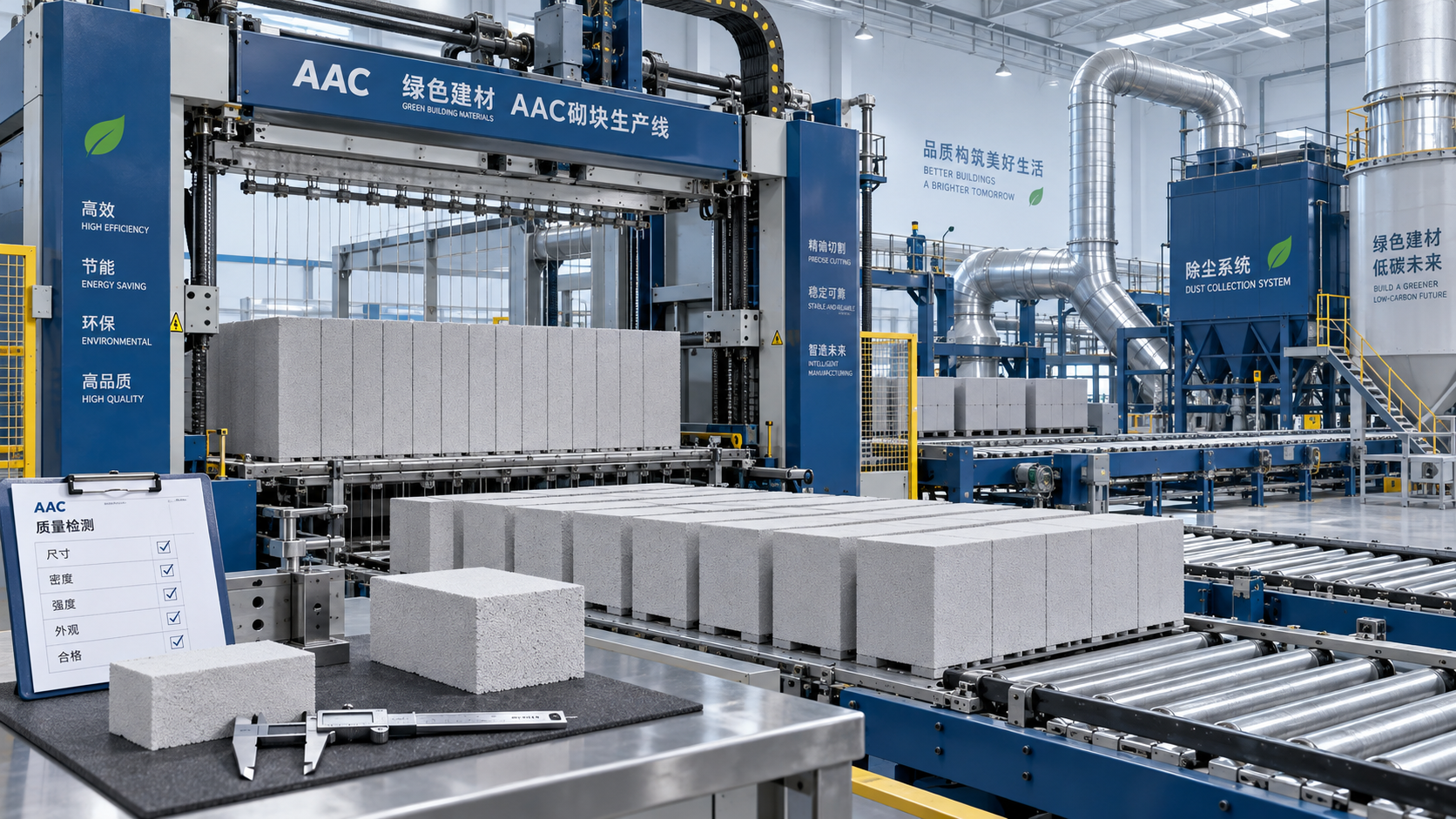
For AAC production, specify block dimensions, density classes, strength requirements, and applicable product standards. Confirm whether the proposal covers blocks, panels, or both product categories.
For quartz stone production, define slab dimensions, thickness tolerances, surface finishes, formulations, and quality expectations. Different product requirements can change equipment selection and operating costs.
Separate nameplate capacity from expected saleable output. Ask suppliers to identify assumed operating hours, product mix, maintenance downtime, process losses, and the expected rejection rate.
Provide representative raw material samples and request testing where necessary. Equipment that performs with one supplier’s materials may require adjustments when using your local inputs.
Create a common specification sheet for all bidders. Comparable assumptions make it easier to identify missing equipment, unrealistic production promises, and quotations that shift costs downstream.
Confirm Who Manufactures the Equipment and Signs the Contract
Request the supplier’s registered legal name, business registration details, manufacturing locations, contracting entity, and payment beneficiary. Check that these details agree across quotations and documents.
A manufacturer may export through a related trading company. That arrangement can be workable, provided responsibilities for manufacturing, warranties, installation, and payments are clearly documented.
Check registration information through the relevant official business registry where accessible. Verify the relationship between the factory, exporting company, and any agent involved in negotiations.
Shandong Hongfa’s supplied company profile describes a business founded in 1990, with manufacturing operations in Shandong and Guangxi and several construction machinery product categories.
Treat these statements as starting points for verification. Request current documentation for the specific entity and factory that would manufacture and support your proposed production line.
Investigate unexplained beneficiary changes, inconsistent company names, and reluctance to identify manufacturing sites. Resolve discrepancies before making payments, particularly when instructions change during contract negotiations.
Check Whether the Factory Can Build Your Specific Line
A factory visit should follow the proposed equipment through fabrication, machining, assembly, inspection, and testing. General showroom tours provide limited evidence of actual manufacturing capability.
Ask which components are manufactured internally and which are purchased. Review the selected suppliers for motors, drives, control systems, hydraulic components, and other critical assemblies.
Outsourcing is common and does not automatically indicate poor quality. The important issues are component traceability, incoming inspection, integration capability, and responsibility when failures occur.
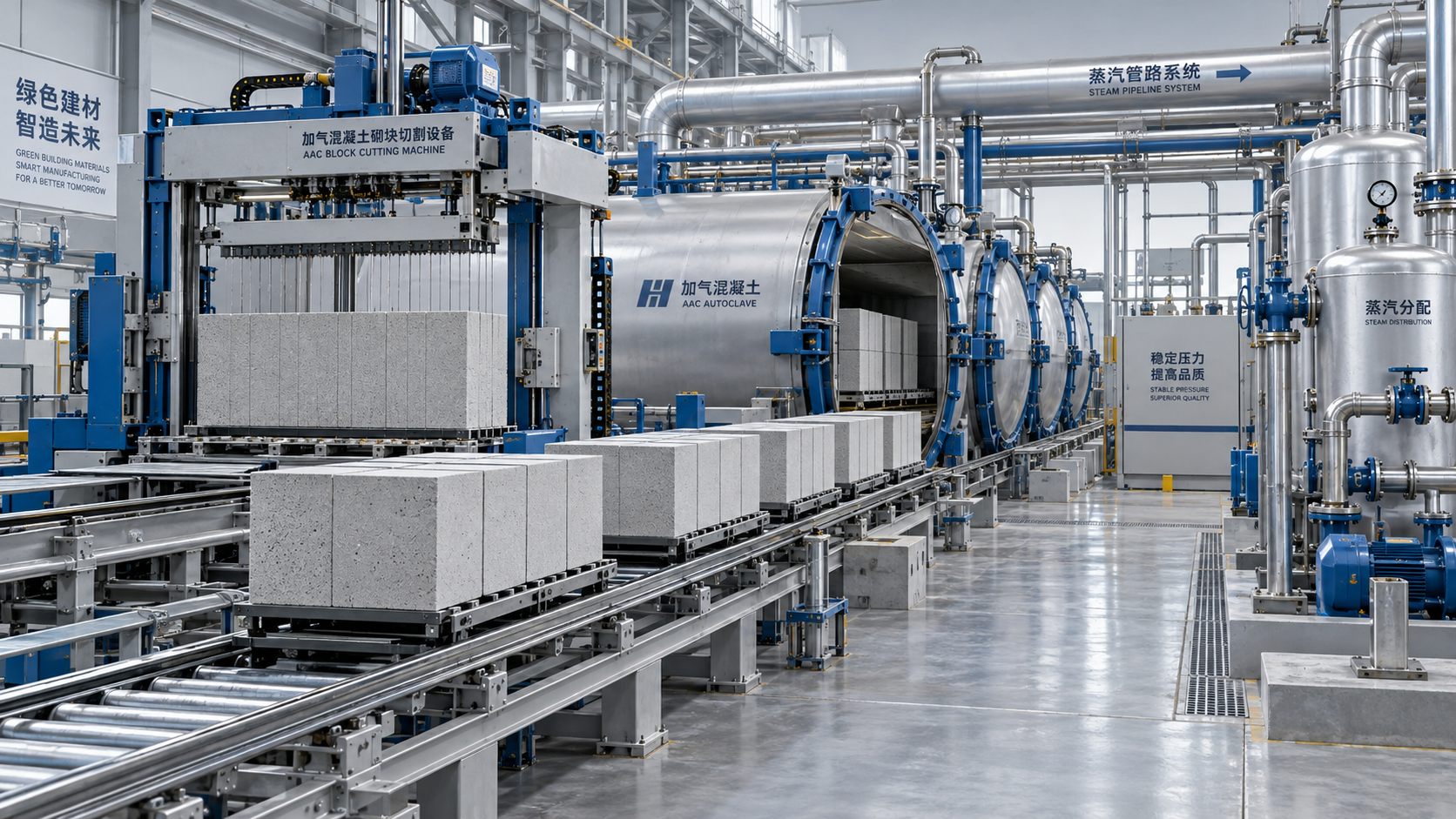
For AAC lines, examine process design, cutting equipment, material preparation, and autoclave integration. Confirm who supplies pressure equipment and who coordinates its destination compliance requirements.
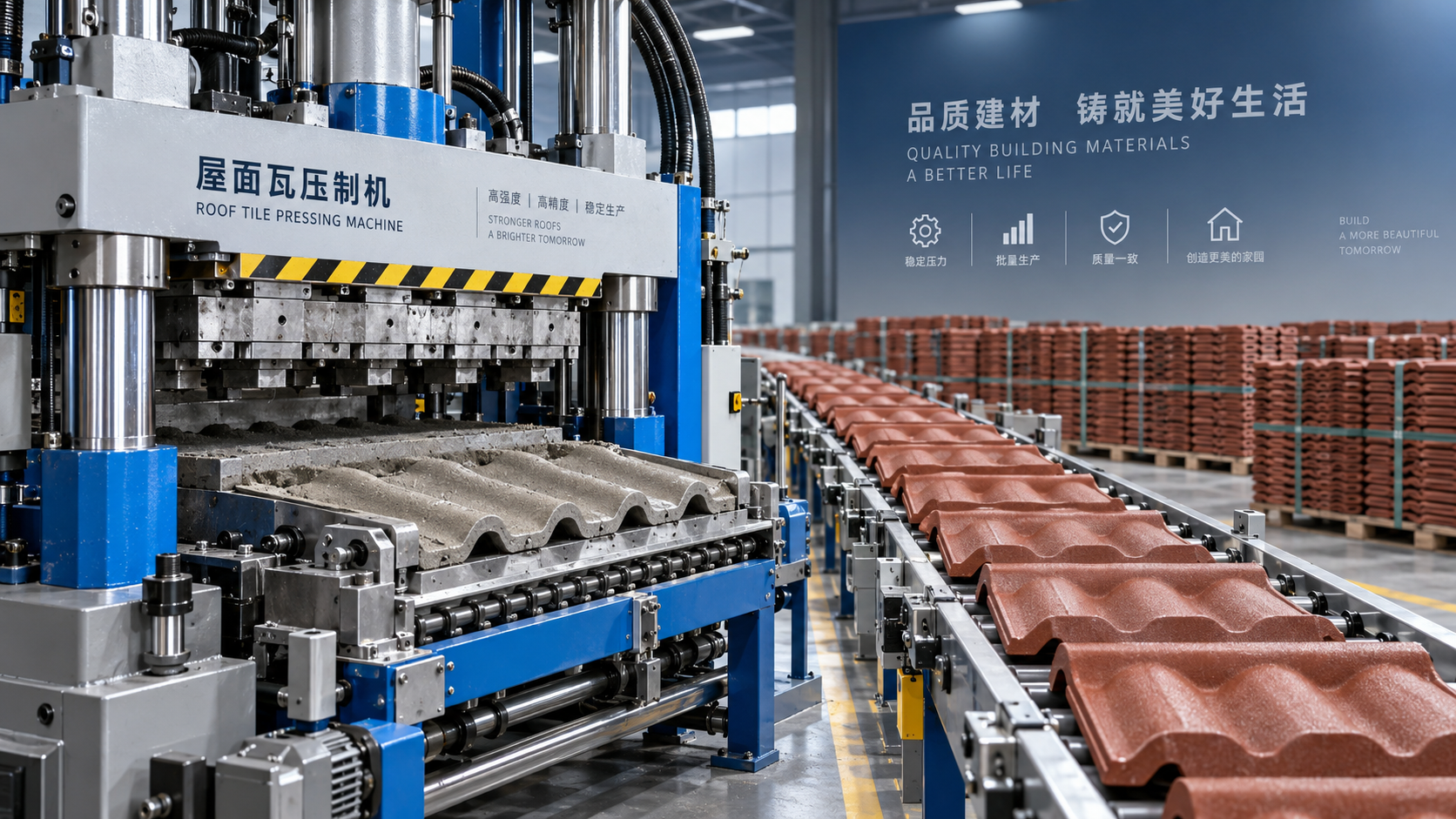
For quartz stone lines, examine mixing, forming, vacuum and vibration systems, curing, calibration, and polishing. Check how the supplier controls consistency between successive production batches.
If travel is impractical, commission an independent factory inspection. A live video walkthrough can support screening, but it should not replace verification for substantial investments.
Verify Certificates Without Confusing Them with Performance Proof
Request complete certificates showing the holder, manufacturing address, scope, issuing organization, certificate number, and validity dates. Verify authenticity through the issuer or an appropriate database.
The supplied Hongfa profile references ISO 9001:2008 certification. Because this is an older edition, buyers should request evidence of the supplier’s current quality management certification.
Quality management certification concerns the management system within its stated scope. It does not establish guaranteed production capacity, finished product compliance, or low energy consumption.
Ask a qualified local adviser which machinery safety, electrical, pressure equipment, and environmental requirements apply. Requirements vary with equipment configuration, installation conditions, and destination jurisdiction.
Where CE marking is relevant, request the applicable declaration of conformity and supporting documentation. Check that the equipment identification and declared legislation match the supplied machinery.
Awards, patents, and brand recognition may support background assessment. They should carry less purchasing weight than current compliance records, demonstrated performance, and accountable contractual commitments.
Use Operating References to Test Production Claims
Request references for installations using similar equipment, raw materials, product specifications, and production scale. Overseas projects with comparable service conditions provide particularly useful procurement evidence.
With the customer’s permission, speak directly to plant managers or maintenance personnel. Ask how long the line has operated and what output it consistently achieves.
Discuss saleable yield, downtime, recurring faults, spare part delivery, and actual installation duration. Ask whether the supplier resolved problems within the agreed response times consistently.
Request production records covering a representative operating period where customers can share them. Short demonstration runs may conceal stoppages, quality drift, or maintenance demands during routine production.
For AAC, review dimensional consistency, density, strength, breakage, and curing results. For quartz slabs, review thickness variation, surface defects, warpage, and finished product acceptance rates.
When references are unavailable, seek stronger independent inspection and witnessed testing. Limited references do not prove poor performance, but they leave more uncertainty for buyers.
Demand Measurable Evidence Behind “Green” and Energy Claims
The word “green” needs a defined basis. Clarify whether the claim concerns manufacturing energy, recycled inputs, emissions, waste reduction, or the finished material’s building performance.
These benefits require different evidence. A machine supplier’s environmental statement cannot establish the lifecycle impact of a finished product manufactured with your materials and energy sources.
Request consumption data per unit of accepted output, with test conditions disclosed. Suitable units may include kilowatt-hours per cubic meter or per square meter.
For AAC, examine electricity, steam, fuel, water, and reject handling. Compare figures only when product density, curing conditions, plant boundaries, and measurement methods are equivalent.
For quartz stone, assess electricity, curing energy, resin consumption, water circulation, and waste handling. Review dust extraction and exposure controls, especially where materials contain crystalline silica.
Require suppliers to distinguish measured results from estimates. Record the assumptions behind every estimate, including operating load, raw material characteristics, ambient conditions, and utility efficiency.
If recycled content or lifecycle claims influence your investment, request supporting material records or relevant product assessments. Check their applicability to your intended production conditions.
Include environmental control equipment in the quotation review. Dust collection, water treatment, and waste management can materially affect capital spending, operating costs, and permitting requirements.
Calculate the Cost of Saleable Output, Not Just Equipment
The lowest equipment quotation may omit infrastructure that determines project viability. Review civil works, foundations, utilities, lifting equipment, laboratory facilities, and environmental systems before comparing offers.
Ask for a detailed scope matrix identifying supplier responsibilities and buyer responsibilities. Every interface should have an owner, including electrical connections, piping, software, and commissioning consumables.
Build an operating model using raw materials, labor, energy, maintenance, consumables, and expected saleable yield. Include financing and working capital when assessing the investment return.
Test the model under lower utilization, higher energy prices, and delayed commissioning. A project should remain understandable when assumptions become less favorable than the supplier’s forecast.
Compare offers on the same delivery basis and scope. Freight, insurance, import duties, inland transport, installation, and operator training can change the apparent price ranking.
Use the following evidence matrix to distinguish an attractive quotation from a proposal that supports a defensible investment decision and a workable production plan locally.
Check Export Logistics, Installation, and Spare Parts Support
Ask for a project schedule covering design approval, manufacturing, inspection, shipment, site readiness, installation, and commissioning. Identify dependencies that could delay the overall production start.
Review packing methods, corrosion protection, lifting points, package dimensions, and shipping documents. Oversized equipment may require route surveys, special transport arrangements, or additional destination handling.
Specify the applicable Incoterms rule, named location, and version in the contract. Allocate customs clearance, insurance, unloading, and transport responsibilities explicitly to avoid delivery disputes.
Installation commitments should state technician numbers, estimated duration, travel arrangements, language support, and buyer prerequisites. Clarify responsibility for delays caused by incomplete foundations or utilities.
Request a critical spare parts list with prices and lead times. Confirm local availability of standard components and access arrangements for controls, backups, and troubleshooting.
Define remote support hours, response targets, escalation contacts, and onsite assistance terms. A general promise of “lifetime service” provides little guidance during an actual breakdown.
Put Performance Verification into the Purchase Contract
Attach the technical specification, equipment scope, approved component list, utility assumptions, and acceptance procedures to the contract. These documents should match the final commercial quotation.
A factory acceptance test can verify selected functions before shipment. Full production performance may require site testing because installation, utilities, and raw materials influence results.
Agree on test duration, measurement methods, raw material requirements, sampling frequency, and acceptable product quality. Specify how rejected output is excluded from capacity calculations explicitly.
Define what happens if agreed performance is not achieved. Address corrective work, retesting, time limits, and available contractual remedies with advice appropriate to the transaction.
Link payment milestones to documented deliverables where commercially feasible. Separate manufacturing progress, shipment readiness, installation completion, and performance acceptance so each stage has clear evidence.
Review warranty coverage, exclusions, replacement responsibilities, and dispute resolution before signing. Confirm who pays associated labor, travel, and freight when a covered component fails overseas.
Make the Final Decision with an Evidence Checklist
A credible green building material production line export supplier should explain its assumptions, provide relevant evidence, and accept clearly defined responsibilities throughout delivery and operation.
Before committing, confirm four essentials: verified legal identity, capability for your specific process, credible production economics, and an acceptance framework supported by practical overseas service.
When evaluating Shandong Hongfa or another manufacturer, apply the same standards. Company history and product breadth become useful when supported by current, project-specific verification evidence.
Choose the supplier whose documented proposal best fits your materials, market, and operating constraints. That evidence provides a stronger investment basis than brochures or price alone.