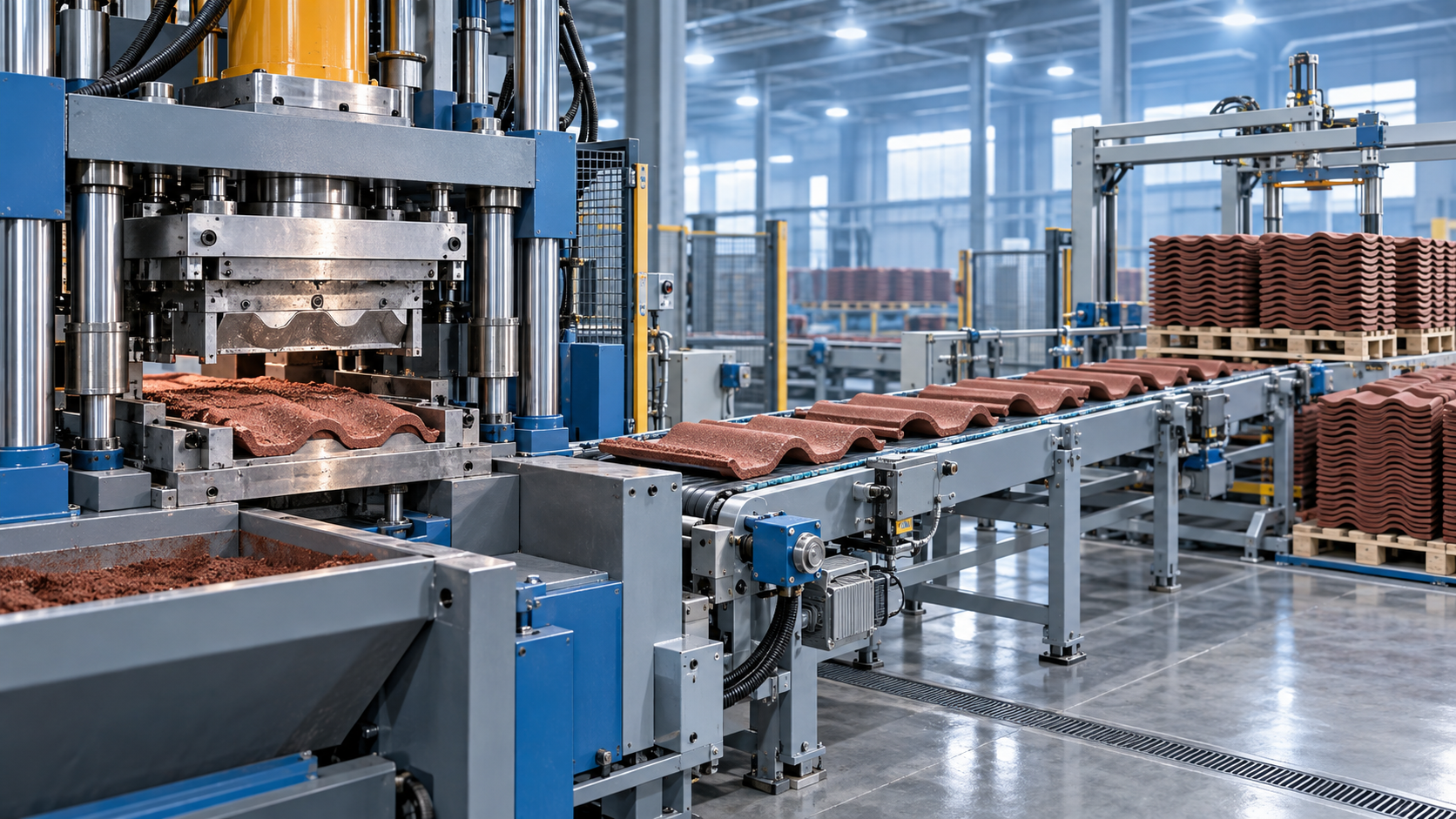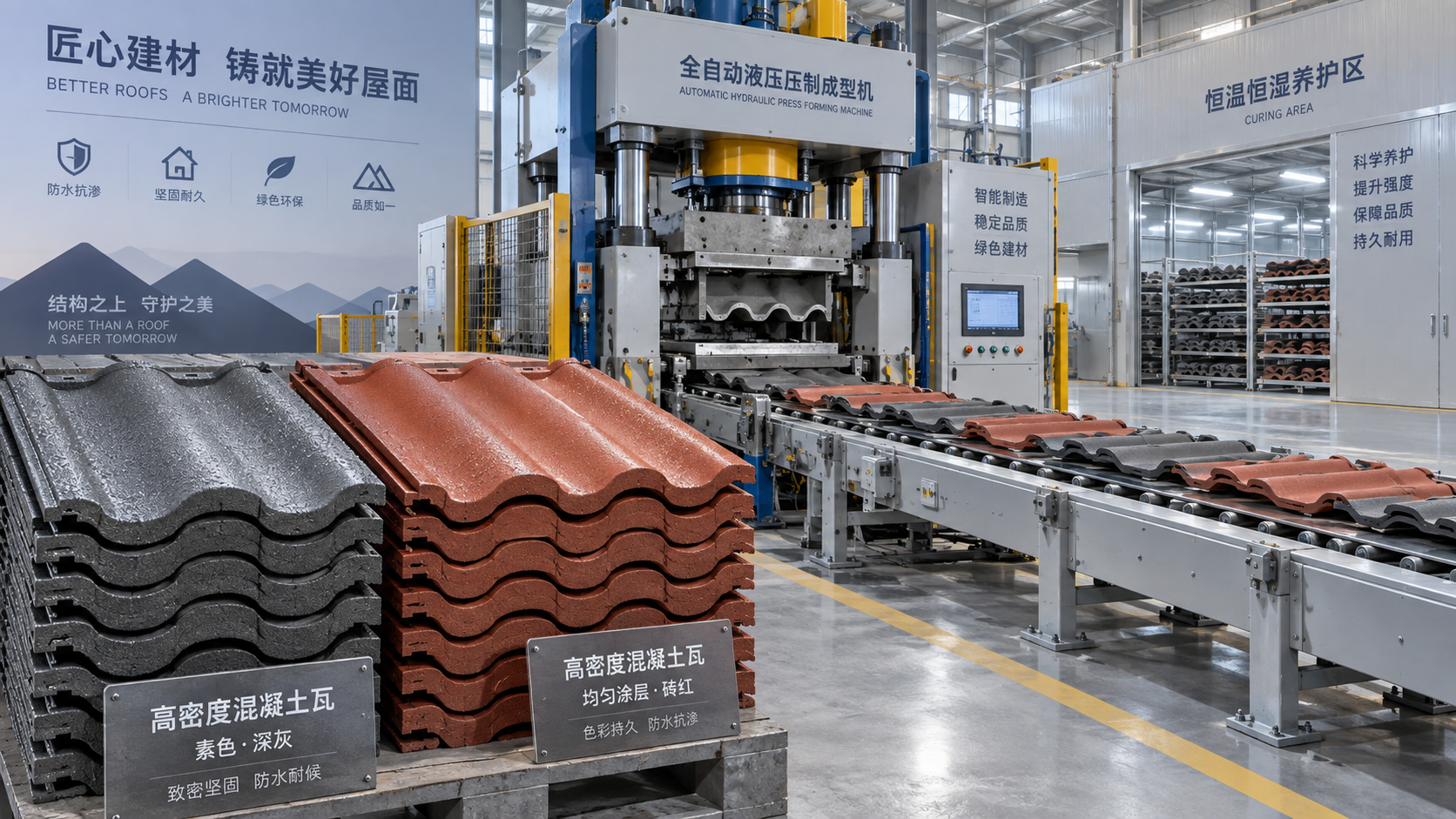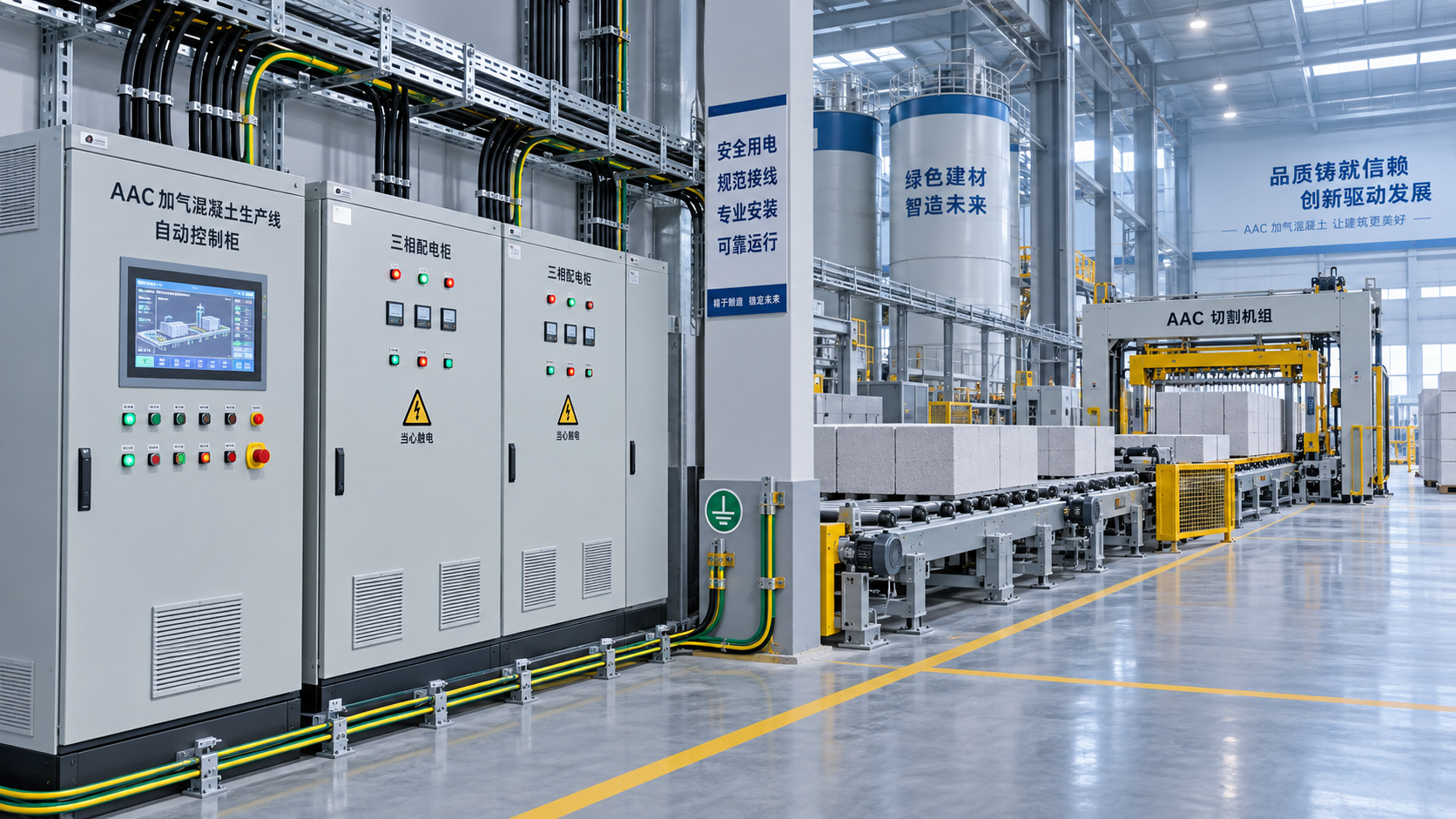




How to choose a color tile making machine for stable color output
Stable color output begins with a controlled process, not a headline production rate. A color tile making machine should be selected as part of a system that stores pigments, meters each ingredient, mixes a uniform batch, fills the mold consistently, compacts the material without segregation, and protects the green tile through curing and handling. A high-capacity press cannot correct a poorly dispersed pigment or a moisture shift introduced before compaction.
Start by defining the acceptable visual variation in the finished tile and the production conditions under which it must be maintained. This includes the intended color range, tile format, face texture, pigment type, aggregate gradation, cement or binder system, and whether the product has a single-color body, a colored face layer, or a multi-layer decorative pattern. These details change the required machine configuration. A lightly tinted structural paver and a high-contrast decorative tile can use a similar forming principle, yet the latter is far less tolerant of dosing drift, uneven feed, or mold wear.
Map the Color Path Before Comparing Machines
Color variation is often blamed on the press because the defect becomes visible after molding. The source may instead be pigment bridging in a hopper, inconsistent aggregate moisture, delayed discharge from a mixer, or different compaction energy between mold cavities. Evaluate the equipment along the entire material path:
- Raw material storage: Fine pigments need dry, protected storage and a discharge arrangement that prevents packing, arching, and uncontrolled residual material from entering the next batch.
- Weighing and dosing: The dosing device must remain accurate at the actual batch size, including small color additions. A feeder that performs acceptably with large cement quantities can be too coarse for a low-rate pigment stream.
- Mixing: The mixer must disperse pigment through the binder and fine aggregate before the material is transferred. Color streaks commonly originate here, not at the mold.
- Feeding and forming: The machine must deliver a consistent mass and layer thickness into every cavity. Differences in fill level change density and surface appearance even where the formulation is identical.
- Curing and transfer: Uneven moisture retention, temperature exposure, or handling damage can make matching batches appear different after curing.
Request a process layout rather than reviewing only the main machine specification. It should show every transfer point, buffer hopper, conveyor, return line, and cleaning access point. Each location where material pauses, separates, or remains trapped creates a potential shade-transition problem, especially during a color change.
Pigment Dosing: Assess Resolution, Repeatability, and Cleanout
The pigment system deserves separate scrutiny. Stable color depends on repeatable mass addition, but the stated capacity of a dosing unit says little about performance at the low end of its operating range. Ask for the usable dosing range, feeder type, scale resolution, refill behavior, and the method used to verify actual discharge. A system should be evaluated with the pigment quantity and batch size intended for production, rather than with a favorable demonstration formula.
Loss-in-weight feeders, screw feeders, and batch weighing arrangements each have different control characteristics. A screw feeder requires material flow that remains consistent as the hopper level changes. Pigment particle shape, bulk density, humidity, and compaction during transport influence that flow. If a pigment is prone to bridging, an agitator or hopper conditioning device may be needed, but excessive agitation can alter the powder flow or create dust. The correct arrangement is determined by the specific pigment form rather than by the nominal color.
For products with a colored face mix and a base mix, confirm that the system prevents accidental cross-contamination. Separate hoppers alone are insufficient if both materials pass through a shared conveyor, bucket, mixer, or filling car without a defined purge sequence. Residual dark pigment in a transfer path can be visible for several cycles after a changeover. Conversely, aggressive purging wastes material and makes short production runs impractical. The equipment review should identify dead zones and establish how they are emptied and inspected.
Mixing Consistency Has a Direct Visual Effect
A mixer must distribute pigment without producing local variations in water content or paste concentration. The appropriate mixer design depends on batch volume, material moisture, aggregate particle distribution, and mixing sequence. Dry pigment added directly onto damp aggregate may form localized clusters. Adding pigment with water can improve distribution in some formulations, while requiring a delivery system that keeps the suspension uniform and avoids line sedimentation.
Mixing time cannot be judged as an isolated number. A longer cycle may improve dispersion, but it can also change material behavior through evaporation, heat buildup, or excessive shear. The relevant question is whether the same material state reaches the feeder at the same point in every cycle. Review the sequence for aggregate charging, pigment addition, binder introduction, water dosing, final mixing, discharge, and any hold time before molding.
Moisture measurement is especially important when natural sand or crushed aggregate is used. Moisture changes alter the effective water-to-binder balance, which affects compaction, surface density, and reflected color. A machine package should allow moisture corrections to feed into the water dosing logic, with a clear method for confirming that the correction is active and appropriate for the material stream being measured. A sensor installed in a poorly representative location does not provide reliable control.
Mold and Filling Design Affect Shade Uniformity
Even a well-mixed color batch can produce visibly inconsistent tiles if the mold fills unevenly. The feed system should distribute material across the full mold area before final compaction. Evaluate the travel path, feed drawer geometry, agitation or leveling features, and whether the material is deposited in one direction only. Long, narrow, textured, or large-format tiles are more sensitive to uneven distribution than compact units with simple cavities.
For face-mix products, layer separation must remain clear during feeding. A face layer that varies in thickness may show density-related color differences, reveal base material near edges, or create a mottled finish after curing. Ask how the machine controls face-material volume, how it prevents the base mix from disturbing the face layer, and how it deals with partially filled cavities during startup and stoppage.
Mold precision matters because cavity dimensions, side-wall condition, and clearance between moving components influence filling and compaction. Wear does not always create an obvious dimensional defect first. It can alter material retention in corners, change local pressure, or produce different surface textures between cavities. The mold should be accessible for inspection, replacement, and cleaning without requiring excessive disassembly. Where several tile shapes are planned, verify that each mold has an established filling and vibration setup rather than assuming one setting will transfer unchanged.
Vibration and Pressing Must Be Repeatable Across the Mold
Compaction changes color perception because it changes surface density, porosity, and texture. A denser surface may appear deeper or more uniform even though the pigment dosage is unchanged. Therefore, assess the vibration and press system for repeatability, not merely maximum force.
Review the vibration configuration, frequency control range, amplitude adjustment method, mounting condition, and synchronization where multiple vibration sources are used. The machine should maintain stable vibration through the normal production sequence, including loaded operation. Loose mounting hardware, worn isolators, and uneven force transmission can lead to cavity-to-cavity differences. A trial should compare tiles taken from different mold positions rather than inspecting only one favorable sample.
Press control should hold the intended final height and density consistently. Hydraulic systems need stable pressure control, clean fluid, and suitable temperature management. Servo or mechanical drive arrangements should be assessed for position repeatability, mechanical clearance, and response under changing material loads. When a supplier quotes pressing force, ask how force relates to the actual tile area, mold configuration, and final product density. Maximum tonnage alone does not establish uniform compaction.
Automation Should Make Variation Visible
Automation is valuable when it records and controls the variables that actually influence color. Recipe storage is useful only when the stored recipe includes relevant material settings: pigment target, water addition, mixing sequence, face and base volumes, vibration stages, press position, and curing identification. A color recipe that contains only ingredient weights leaves too many process settings outside control.
Look for traceable batch records that connect material inputs with production time, mold identification, and operating parameters. This supports investigation when a shade variation appears after production. Alarm functions should identify practical exceptions such as scale tolerance failures, feeder empty conditions, abnormal mixing time, water-dose deviation, or interruption during material transfer. An alarm that merely reports a generic fault after the batch is lost provides limited value.
Manual override functions also require attention. They are necessary for setup and recovery, but uncontrolled overrides can undermine repeatability. The control system should distinguish between normal recipe operation and temporary adjustments, retain a record of relevant changes, and return clearly to the approved recipe state. A simple, readable interface reduces the risk that a correction for one production issue remains active during the next color run.
Include Curing in the Equipment Boundary
Freshly molded colored tiles continue to develop their final appearance during curing and drying. Uneven temperature, humidity, airflow, stacking pressure, or timing before release can create visible differences between pallets. The selected machine should match the curing arrangement in throughput and transfer method. Bottlenecks that leave some products waiting longer before curing can become a color-consistency issue, not only a capacity issue.
Evaluate the handling system for surface contact points, pallet condition, and stability during transfer. Marks, efflorescence-related discoloration, or uneven drying are often mistaken for pigment variation. The investigation should separate a true formulation problem from a surface-condition problem by examining fresh tiles, cured tiles, and tiles after the same storage interval.
Use a Representative Acceptance Trial
A useful machine trial follows the intended production logic. Run the actual or closely matching aggregates, binder, pigment, and tile geometry. Include startup, steady production, a temporary stop, restart, and a color change if these are part of planned operation. Samples should be taken from multiple cavities, from early and late cycles, and from different pallet positions after curing.
Visual inspection should be performed under a consistent light source and alongside labeled reference samples. Record pigment weights, water additions, mixing times, compaction settings, and curing conditions for each sample group. Where possible, compare tile mass, height, and surface texture as well as color. A shade difference paired with a density difference points toward filling or compaction; a shade difference with consistent physical measurements directs attention back to pigment dispersion, dosing, or curing conditions.
The selected color tile making machine should leave each critical adjustment measurable, repeatable, and accessible for verification. Stable color is sustained when material preparation, forming energy, and curing remain connected through controlled settings and usable production records.
Recommend
 Sep 30, 2026
When does an automated building material production line pay off?
Automated building material production line ROI explained: assess capacity, quality, labor, waste, and total costs to make a profitable investment.
- Oct 01, 2026
How a green building material production line reduces material waste
Discover how a green building material production line cuts waste through precise batching, controlled forming, stable curing, and smart material recovery.
- Oct 02, 2026
What to confirm before finalizing AAC factory planning
AAC factory planning: confirm product mix, raw materials, capacity, utilities, layout, automation, and supplier scope before investing in a reliable, efficient AAC plant.