



AAC Plant Solution Cost Breakdown: What Investors Should Review Before Approval
Before signing off on an AAC investment, most decision-makers are not asking one question, but four: how much the plant will really cost, how fast it can reach stable output, what hidden expenses will appear after commissioning, and whether the project will stay competitive over time. That is why a serious AAC plant solution review must go beyond a supplier’s headline quotation.
For investors, the right evaluation method is to break the project into land and civil works, core equipment, utility systems, automation, operating inputs, and lifecycle support. Once these areas are reviewed together, it becomes much easier to judge whether a lower upfront price is actually a higher long-term cost.
Before approving any AAC plant investment, decision-makers need a clear view of capital costs, equipment quality, production efficiency, and long-term return. A well-planned AAC plant solution is not just about initial pricing—it also affects operating stability, energy consumption, maintenance, and market competitiveness. This guide highlights the key cost factors investors should review to make informed, low-risk decisions.
What Investors Are Really Buying in an AAC Plant Solution
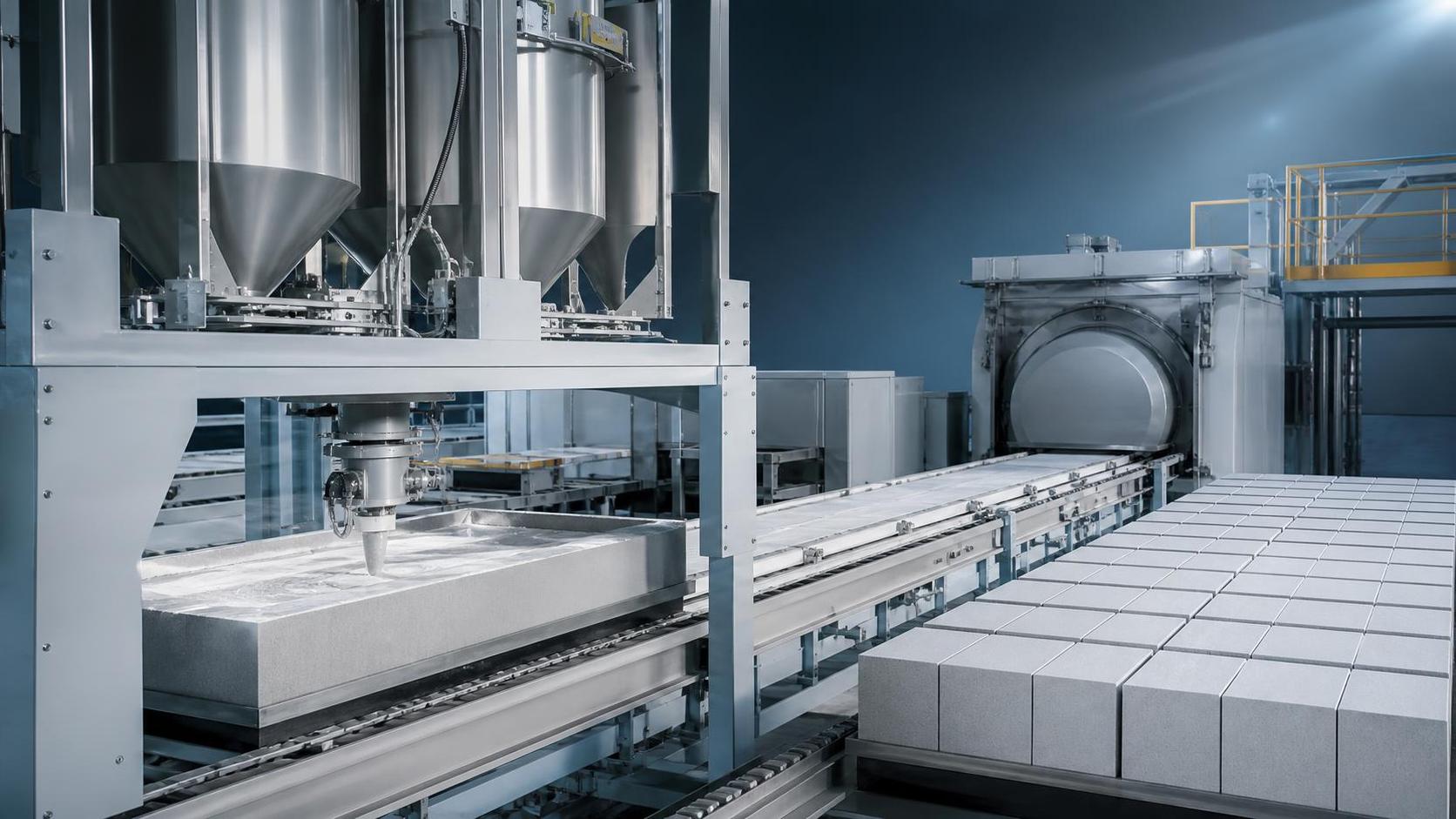
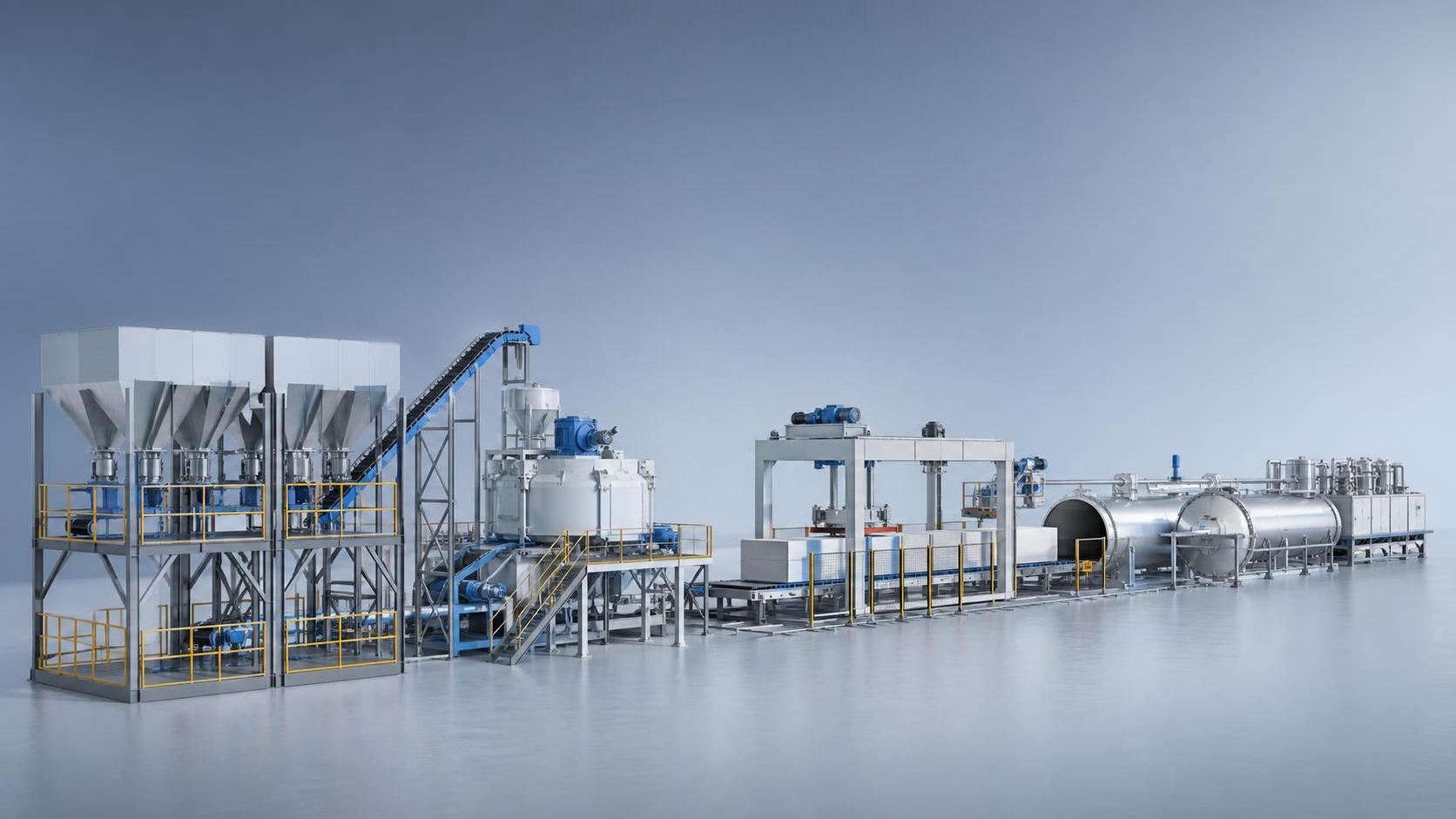
An AAC plant solution is not a single machine purchase. It is a full production system that combines raw material handling, batching, pouring, pre-curing, cutting, autoclaving, packaging, automation, and support services.
When investors compare offers, they often focus first on rated capacity and total price. Those figures matter, but they do not reveal whether the line can maintain consistent density, dimensional accuracy, and output stability under daily operating conditions.
In practical terms, the plant’s value depends on how smoothly each system works with the next. A bottleneck in slurry preparation, mold circulation, cutting, or steam supply can reduce the usable capacity of the entire project.
This is why experienced buyers assess the complete production logic instead of isolated equipment lists. A strong AAC plant solution should support predictable output, manageable operating costs, and efficient maintenance from the first year onward.
Capital Cost Breakdown: Where the Budget Actually Goes
The initial investment is usually divided into several major blocks, and each one should be reviewed separately. This approach helps management identify whether a quotation is complete or whether major items are being left outside the stated budget.
The first cost block is land development and civil construction. This includes site preparation, workshops, storage areas, utility trenches, autoclave foundations, curing zones, roads, drainage, and office or service buildings.
These civil costs vary widely by local soil condition, building standards, and plant layout efficiency. A poorly planned layout can increase internal transport distance, utility losses, and future expansion difficulty, even if the original construction budget appears reasonable.
The second major block is process equipment. This typically covers crushers, ball mills if required, batching systems, mixers, molds, cutting units, autoclaves, boilers, control cabinets, conveyors, packing equipment, and dust collection systems.
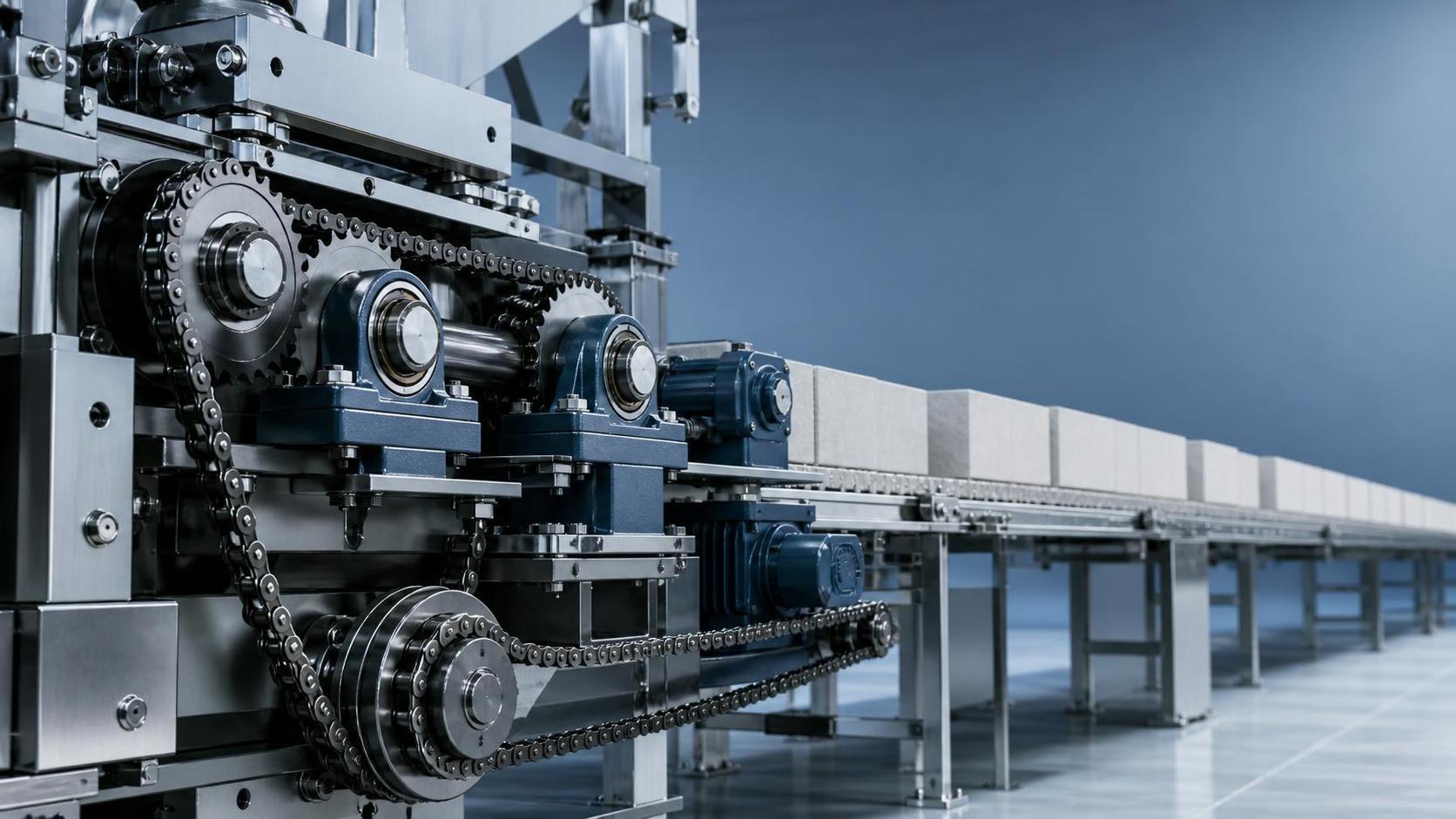
Here, the key issue is not only quantity, but specification quality. Steel thickness, pressure vessel standards, drive systems, sensor quality, valve brands, and automation architecture all influence service life and operating reliability.
The third cost block includes installation, commissioning, and operator training. Some proposals present these as optional services, but in reality they are core parts of project execution. Weak installation or rushed commissioning can create years of recurring operational problems.
The fourth block is working capital. Investors sometimes underestimate the money needed for raw material inventory, spare parts, labor ramp-up, utility deposits, and early market development before cash flow becomes stable.
Why the Lowest Equipment Quote Often Becomes the Highest Total Cost
A low initial quotation can be attractive during project approval, but it may hide compromises in metallurgy, fabrication accuracy, component sourcing, electrical systems, or process control depth. These compromises often surface only after startup.
For example, if cutting accuracy is inconsistent, the project may face higher waste, more product rejection, and weaker customer acceptance. If the steam system is inefficient, energy bills rise and curing cycles become less predictable.
Similarly, lower-grade motors, pumps, seals, or control components may reduce purchase cost at first, but increase downtime and spare-part replacement frequency. That means the real cost appears later through maintenance spending and lost production hours.
Decision-makers should ask suppliers for detailed component lists, design standards, expected service intervals, and references from operating plants with similar output and raw material conditions. A defensible investment decision needs evidence, not broad performance claims.
Operating Costs That Shape Long-Term Return
Once the plant is commissioned, operating cost becomes the main driver of return on investment. In AAC production, the most important recurring cost categories usually include raw materials, steam or fuel, electricity, labor, maintenance, and waste control.
Raw material cost is not only about local price. It also depends on material consistency, moisture variation, fineness, and chemical suitability. If the raw inputs fluctuate too much, output quality suffers and production becomes harder to control.
Energy is often one of the biggest long-term cost factors. Autoclaving, slurry preparation, and general plant operation require a stable and efficient utility design. Even small inefficiencies in steam generation or heat use can have major annual cost impact.
Labor cost should also be reviewed together with automation level. A more advanced control system may raise capital expenditure, but it can reduce operator dependence, improve batch consistency, and lower the risk of costly human error.
Maintenance spending is another major variable. Plants built with standard, serviceable components and clear maintenance access usually perform better over time than systems that look adequate on paper but are difficult to repair quickly.
What to Check in Capacity Claims Before Approval
Rated annual output is one of the most common selling points in equipment proposals, but investors should verify how that number is calculated. The important figure is not theoretical nameplate capacity, but stable commercial output.
To evaluate this properly, management should ask how many shifts are assumed, what utilization rate is used, how downtime is accounted for, and whether the figure reflects actual curing, cutting, and mold circulation constraints.
A plant that is marketed as high-capacity may still underperform if utility supply, mold turnover, raw material preparation, or packaging flow cannot support continuous production. In those cases, the bottleneck determines the real output.
It is also useful to review product mix flexibility. A line that can efficiently produce different block and panel sizes gives the business more room to respond to market demand and pricing changes without excessive reconfiguration time.
How Equipment Quality Affects Commercial Risk
For enterprise decision-makers, quality is not just a technical matter. It is a commercial risk variable. Equipment quality affects commissioning speed, defect rates, energy use, labor efficiency, maintenance frequency, and customer satisfaction.
That is why supplier capability deserves close review. Investors should look at manufacturing scale, engineering depth, patent strength, quality control systems, and after-sales support, not only at the proposal document itself.
Manufacturers with broad production experience in building materials machinery often bring more value during layout design, process matching, and troubleshooting. Their recommendations can reduce errors that would be expensive to correct after installation.
In some cases, buyers evaluating broader construction materials operations also compare adjacent equipment investments, such as a batching system like HZS120 Concrete Mixing Plant (120 m³/h), to judge supplier engineering consistency across product lines and industrial applications.
Questions That Should Be Answered Before You Approve the Project
A sound approval process should include a structured set of commercial and technical questions. First, what exactly is included in the quoted AAC plant solution, and which systems or services will require separate budgeting later?
Second, what production assumptions support the revenue forecast? Management should confirm expected annual output, product yield, sales mix, local price levels, and the time required to reach normal utilization after commissioning.
Third, what are the projected unit costs under realistic operating conditions? This means reviewing consumption per cubic meter for cement, lime, sand or fly ash, aluminum paste, steam, electricity, labor, and maintenance.
Fourth, how resilient is the project if conditions change? Decision-makers should test the model against lower selling prices, slower market adoption, higher energy costs, or delayed ramp-up. Good projects remain viable even when assumptions become less favorable.
Fifth, what support does the supplier provide after startup? Fast technical response, spare-part availability, process optimization guidance, and training support all help shorten the path from installation to stable commercial returns.
How to Compare Suppliers Without Getting Lost in Specifications
Supplier comparison becomes easier when investors use a weighted framework instead of relying on quotations alone. The practical categories usually include technical suitability, total capital cost, operating cost outlook, service support, and delivery credibility.
Technical suitability means the proposed line matches the intended raw materials, product mix, local utilities, and staffing conditions. A standardized design is not always the most economical if it does not fit the actual project environment.
Total capital cost should include all visible and hidden items, including installation, commissioning, controls, utilities, spare parts, and training. This prevents a low quoted price from distorting the approval decision.
Operating cost outlook should be reviewed over several years, not just at startup. A supplier with stronger automation, better thermal efficiency, and more reliable component quality may deliver a higher return despite higher initial pricing.
Delivery credibility matters because project delay affects financing cost and revenue timing. Investors should therefore review factory capability, lead-time control, prior installations, and the supplier’s ability to coordinate execution across the entire line.
Where buyers manage multiple plant categories, reviewing supporting industrial equipment portfolios can also be informative. For example, the same supplier’s experience with HZS120 Concrete Mixing Plant (120 m³/h) may indicate practical capability in batching control, systems integration, and continuous heavy-duty operation.
The Best Approval Decisions Focus on Lifecycle Value
An AAC project should not be approved because the quotation looks acceptable in isolation. It should be approved because the full business case makes sense after considering capital structure, operating efficiency, technical reliability, and market fit.
For most investors, the best AAC plant solution is the one that delivers consistent product quality, stable throughput, manageable maintenance, and durable cost control over many years. That is what protects margin and supports long-term competitiveness.
In other words, lifecycle value matters more than entry price. A carefully evaluated plant may require more discipline during approval, but it sharply reduces the risk of expensive surprises after the project is already committed.
For decision-makers reviewing suppliers, the most useful mindset is simple: ask what the plant will cost to own, not just what it costs to buy. That is the standard that leads to better investment decisions and stronger industrial returns.
Recommend
 Sep 23, 2026
How automatic AAC production line stability affects block quality
Automatic AAC production line stability directly shapes block strength, density, and dimensions. Learn how tighter process control reduces defects, waste, and safety risks.
- Sep 23, 2026
What to check before buying autoclaved aerated concrete equipment
Autoclaved aerated concrete equipment buying guide: learn what to check on line balance, raw materials, energy use, maintenance, and support before choosing a reliable AAC solution.
- Sep 24, 2026
How to reduce downtime caused by worn AAC plant machinery
AAC plant machinery downtime can be cut by spotting wear early, prioritizing critical parts, and using smarter maintenance strategies to keep production stable and costs under control.