Do automatic brick making machines maintain dimensional accuracy after 12,000+ cycles without recalibration?
Yes—But Only If the Automatic Brick Making Machine Is Built for Sustained Precision, Not Just Initial Output
For operators running shifts on tight schedules and quality audits, “12,000+ cycles without recalibration” isn’t a theoretical benchmark—it’s a real-world threshold where many automatic brick making machines begin to drift. You’ve seen it: bricks stacking slightly taller or narrower by mid-shift; tolerance bands widening just enough to trigger rejection at the curing yard; operators compensating with manual adjustments that erode consistency and increase labor cost. The question isn’t whether automation *starts* accurate—it’s whether it *holds* accuracy under thermal cycling, hydraulic wear, die fatigue, and material variability over thousands of compressions.
Why Dimensional Drift Happens—Long Before Recalibration Is Needed
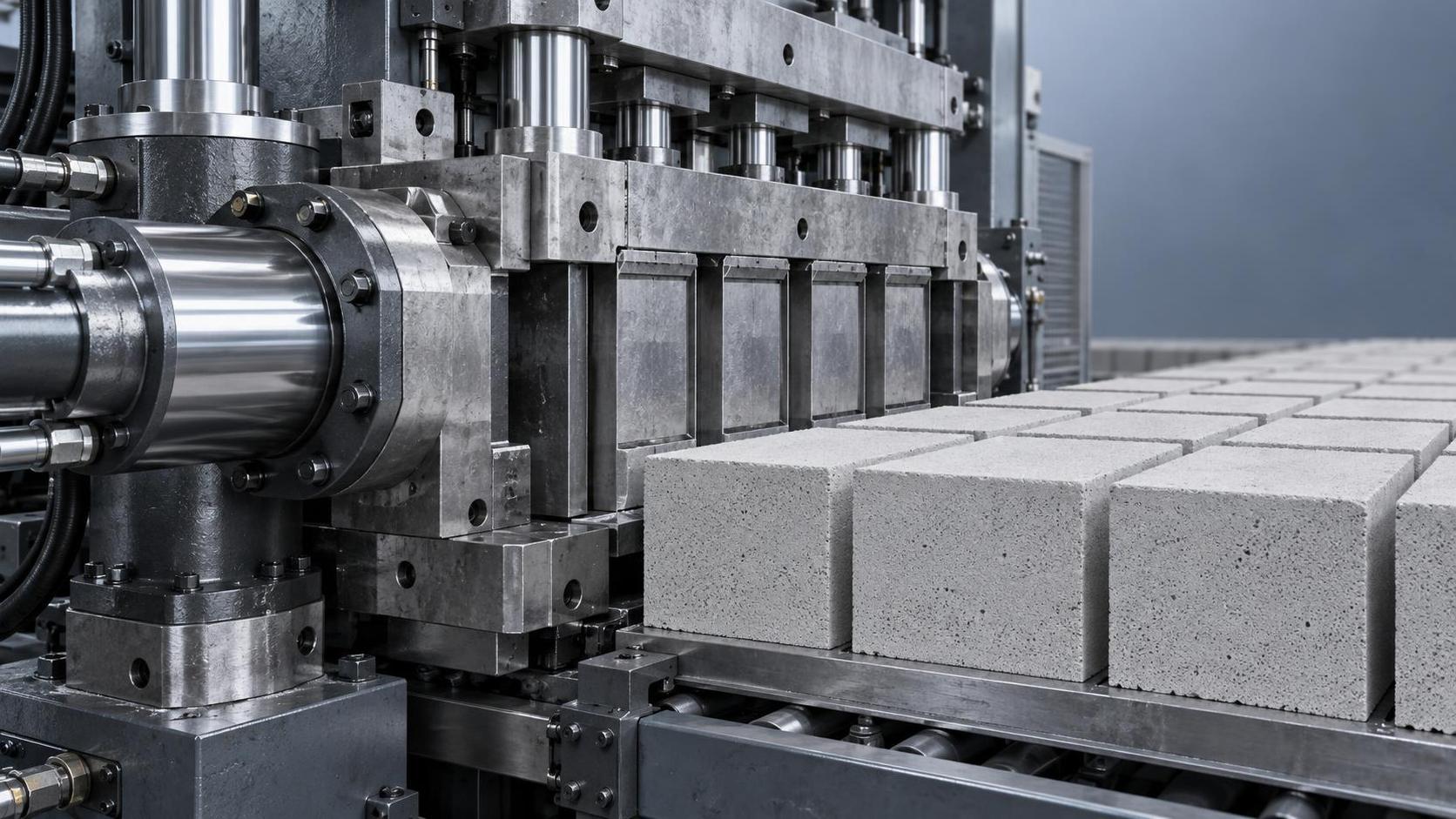
Most automatic brick making machines rely on three interdependent systems: hydraulic pressure control, mold cavity geometry, and raw material feed consistency. At cycle 1, all align. By cycle 5,000, subtle changes accumulate:
- Hydraulic cylinder seal wear introduces minor pressure loss—often undetectable without real-time feedback. A 3% drop in compaction force can shrink green brick height by 0.8–1.2 mm in aerated concrete mixes.
- Die cavity deformation isn’t always visible—but repeated high-load compression against abrasive aggregates (especially silica-rich sand or crushed stone) gradually rounds sharp internal corners. This reduces effective cavity volume and alters side-wall density gradients.
- Feed mechanism settling—vibratory hoppers, belt feeders, or volumetric augers settle into micro-positions over time. A 0.15 mm shift in scraper blade height changes fill depth by ~2.3%, directly affecting final dimensions after drying and autoclaving.
These aren’t failure points—they’re predictable mechanical behaviors. What separates machines that hold ≤±0.5 mm tolerance past 12,000 cycles from those requiring recalibration every 1,500–2,000 cycles is not software updates or operator skill alone, but how core components are engineered to resist these drift mechanisms—not just delay them.
What Actually Enables Long-Term Dimensional Stability
Operators often assume “high-end” means “long-lasting accuracy.” But price tags and brochure specs rarely reveal what matters most on the shop floor. Here’s what to verify—not just accept:
1. Hydraulic Control Isn’t Just About Pressure—It’s About Consistency Under Load Variation. Machines using fixed-pressure relief valves or basic solenoid control may hit target pressure at idle—but falter when ambient temperature rises or oil viscosity drops. True stability requires closed-loop, real-time pressure feedback integrated with adaptive dwell timing. If the system doesn’t adjust dwell duration based on actual measured pressure during each cycle, dimensional repeatability degrades faster than expected—even with ISO-certified components.
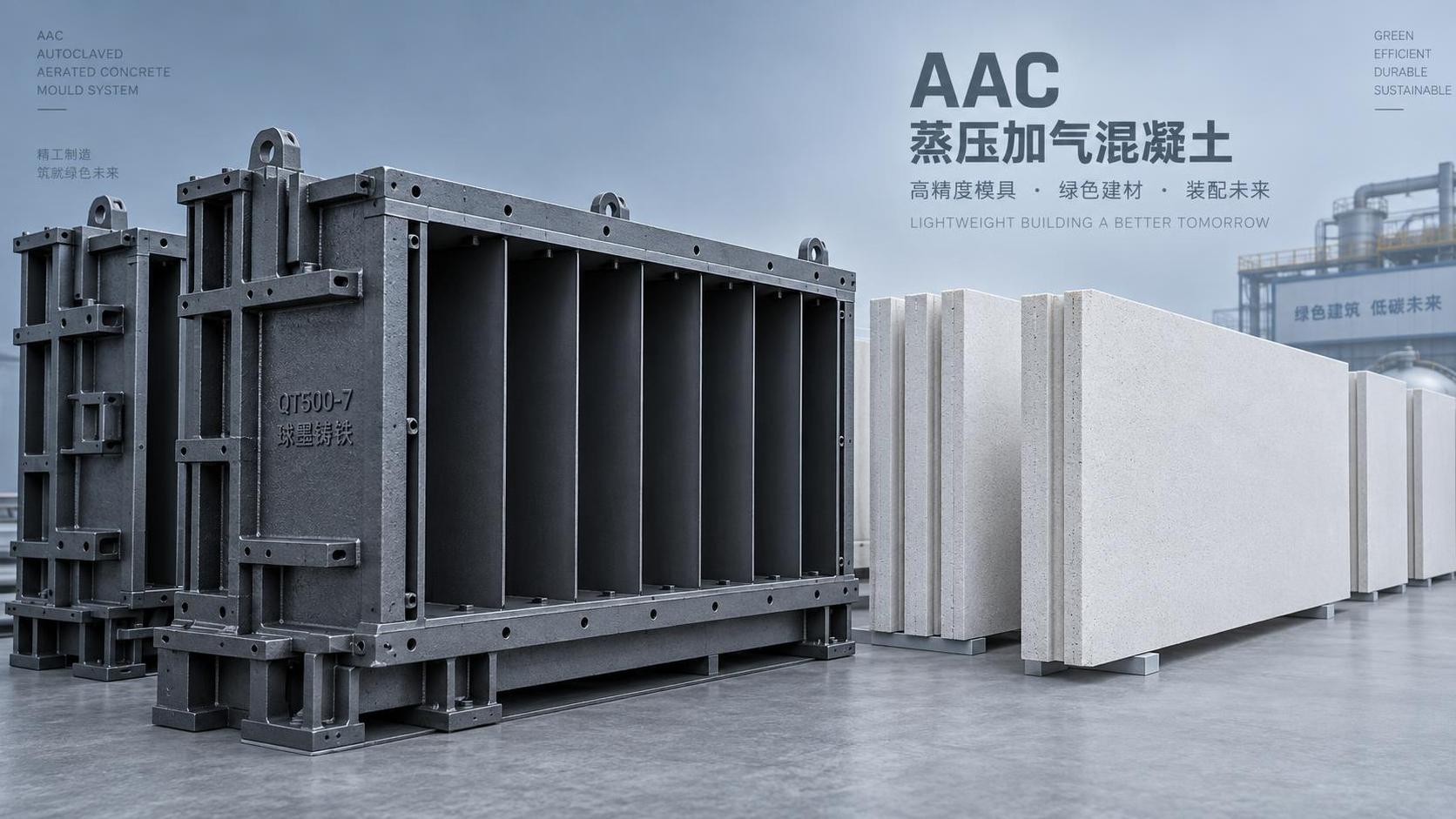
2. Die Systems Must Be Designed for Wear Resistance—Not Just Hardness. High surface hardness (e.g., HRC 62+) helps, but brittle tool steels crack under thermal shock. Better solutions combine wear-resistant alloys (like Cr-Mo-V tool steel with controlled grain structure) with precision-ground cavity surfaces and strategically placed reinforcement ribs that resist lateral flexing during compaction. Dies that maintain their geometry—not just survive—deliver consistent green brick dimensions across tens of thousands of cycles.
3. Feed Calibration Must Be Mechanical—Not Just Digital. Many machines display “feed calibrated” on-screen after a one-time setup. But if the physical linkage between the feed sensor and the auger drive gear wears—or if hopper liner abrasion changes material flow dynamics—the digital reading becomes misleading. Machines built for long-term accuracy use hardened, backlash-free mechanical couplings and self-compensating feed blades that maintain position regardless of thermal expansion or vibration-induced creep.
Real-World Validation Matters More Than Lab Claims
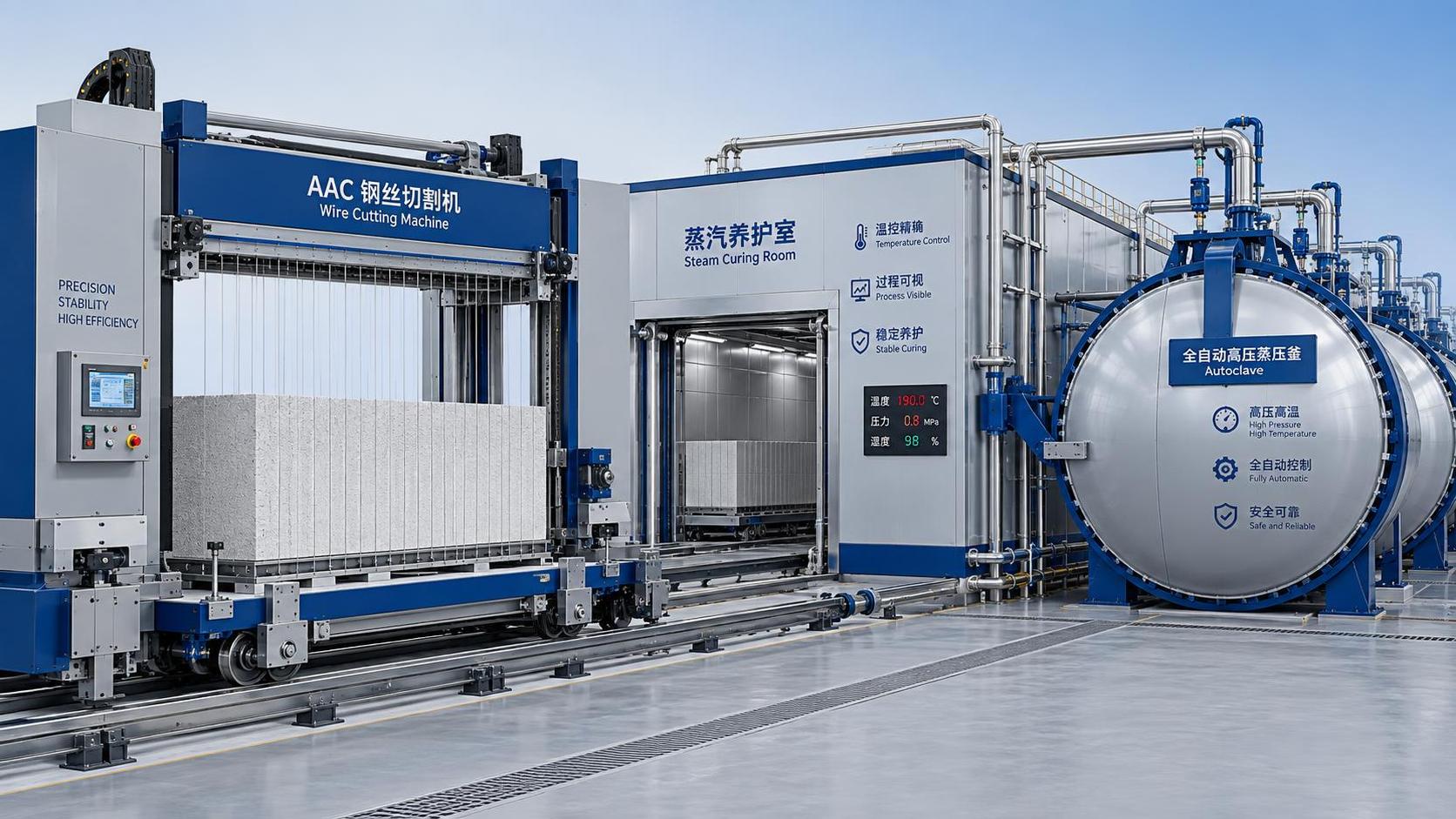
Field performance isn’t proven in a single 72-hour test run—it’s confirmed across seasons, material batches, and operator rotations. Shandong Hongfa’s automatic brick making machines, for example, are validated not only against ISO 9001-2008 process standards but also through continuous monitoring in active aerated concrete block lines across Guangxi and Shandong. Their approach integrates 46 national patents—including 28 invention patents—focused specifically on dimensional stability: patented hydraulic damping circuits that suppress pressure oscillation, modular die carriers with micron-level alignment repeatability, and feed systems with dual-point mechanical reference tracking.
This isn’t about marketing claims. It’s about embedding redundancy where drift originates: real-time pressure feedback doesn’t just monitor—it triggers adaptive dwell correction; die carriers don’t just hold molds—they compensate for thermal expansion differentials between frame and cavity; feed mechanisms don’t just measure—they physically lock position against vibrational slip. That’s how dimensional consistency stays within ≤±0.5 mm—not at cycle 100, but at cycle 12,500, 18,200, and beyond—without interrupting production for recalibration.
What You Should Check Before Committing
If you’re evaluating an automatic brick making machine for sustained accuracy, skip the demo-cycle measurements. Ask instead:
- Can the machine log real-time pressure, dwell time, and feed volume per cycle—and export that data for trend analysis? (If not, drift will go unnoticed until rejection rates rise.)
- Are die carriers replaced as a unit—or do technicians re-machine cavities onsite? (On-site re-machining rarely restores original tolerances.)
- Does the feed calibration require physical re-zeroing of mechanical stops—or is it purely software-based? (Mechanical zeroing is the only reliable anchor over time.)
- Has the manufacturer published field data—not lab reports—on dimensional variance across ≥10,000 cycles in your target material (e.g., AAC, fly ash brick, solid concrete)?
These questions expose whether the machine was engineered for longevity—or merely rated for initial output.
Final Judgment: Accuracy After 12,000+ Cycles Is Achievable—But Not Guaranteed
Yes, automatic brick making machines can maintain dimensional accuracy past 12,000 cycles without recalibration—but only if they treat precision as a dynamic, monitored, and mechanically reinforced condition—not a static specification. Operators who prioritize uptime and reject-rate control don’t choose machines based on cycle count alone. They select systems where hydraulic integrity, die durability, and feed repeatability are designed to degrade in sync—not independently—and where every component supports traceable, field-verified consistency.
That’s why decades of validation in real production environments—not just certifications—matter most. When dimensional stability holds shift after shift, batch after batch, it’s not luck. It’s the result of deliberate engineering choices made before the first brick is pressed.
Next:No more content
Recommend
 Sep 18, 2026
Do automatic brick making machines maintain dimensional accuracy after 12,000+ cycles without recalibration?
Automatic brick making machine accuracy under real-world stress? Discover how top-tier models hold ≤±0.5 mm tolerance beyond 12,000 cycles—no recalibration needed.
- Sep 15, 2026
AAC Plant Machinery Compatibility Guide: Matching Cutting, Curing & Autoclave Systems for Consistent Block Density
AAC plant machinery compatibility isn’t optional—it’s the key to consistent block density. Discover how cutting, curing & autoclave systems must integrate as one synchronized unit to eliminate drift and boost yield.
- Sep 16, 2026
How often do AAC molds need replacement—and what’s the typical cost impact per production cycle?
AAC mold replacement frequency and cost: Discover the real-cycle triggers—not calendar dates—and cut hidden operational costs by up to 30%.